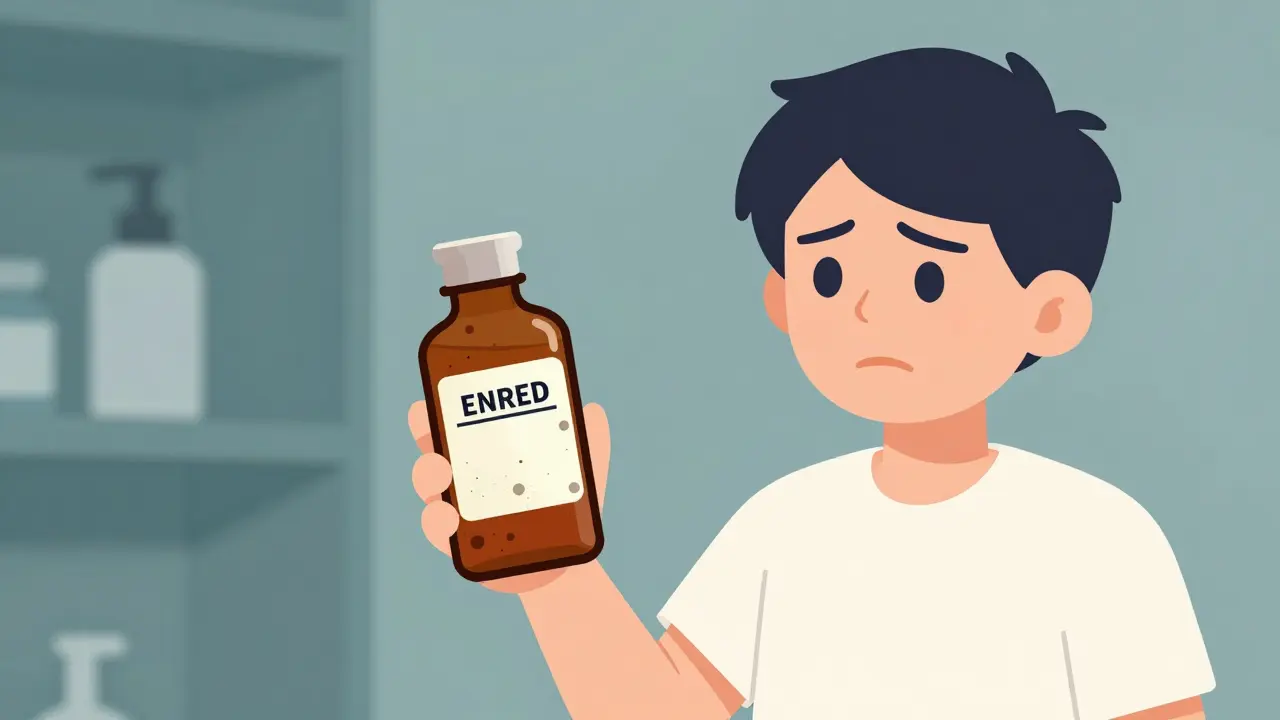
You find a bottle of antibiotics in the back of your cabinet. The date on the label is six months past today. You have a sore throat that feels like it’s turning into something worse, and your pharmacy isn’t open until tomorrow morning. Do you pop one? Most people hesitate. Some take them anyway. According to a 2022 Consumer Reports survey, roughly 76% of Americans admit to using at least one expired medication at some point. It’s a common dilemma, but it’s also a dangerous gamble if you don’t know what you’re dealing with.
Before you swallow that old pill, you need to talk to a professional. Pharmacists are trained to assess not just the chemical stability of a drug, but the specific risks tied to your health condition. This guide explains exactly how to approach that conversation, which drugs are safe to keep for a short while, which ones could kill you, and how to get rid of the rest safely.
Why Expiration Dates Exist (And What They Actually Mean)
Many people believe expiration dates are arbitrary deadlines set by manufacturers to force you to buy new medicine. That’s a myth. These dates are established through rigorous stability testing required by regulatory bodies like the Food and Drug Administration (FDA). The manufacturer guarantees that the drug will retain its full potency and safety up to that date when stored under specific conditions.
However, the FDA does not require manufacturers to test how long a drug remains effective *after* that date. This creates a gray area. In reality, most solid medications-like tablets and capsules-do not turn into poison overnight. Instead, they slowly lose potency. A study from the National Institutes of Health’s Shelf Life Extension Program found that 88% of military stockpile drugs remained effective one to five years past their expiration dates. But this doesn’t apply to every drug, nor does it account for how you’ve likely stored yours in a humid bathroom cabinet.
When you talk to your pharmacist, start by understanding this distinction: Is the drug becoming less effective, or is it becoming toxic? For most medicines, it’s the former. For a few critical ones, it’s the latter.
The Danger Zone: Medications Never to Use When Expired
Not all expired drugs are created equal. Some medications degrade in ways that can be life-threatening. If you are holding any of these, do not use them, and ask your pharmacist immediately about proper disposal.
- Insulin: Diabetes management requires precise dosing. Expired insulin may not lower blood sugar effectively, leading to dangerously high levels or diabetic ketoacidosis. If your insulin is more than 30 days past its date, discard it.
- Nitroglycerin: Used for chest pain (angina), this drug loses potency rapidly. An expired tablet might fail to relieve a heart attack symptom, delaying critical care.
- Epinephrine Auto-Injectors (EpiPens): In an allergic reaction, every second counts. An expired EpiPen may not deliver enough adrenaline to stop anaphylaxis.
- Tetracycline Antibiotics: Unlike most drugs, tetracycline can actually become toxic after expiration. It breaks down into compounds that can damage your kidneys.
- Liquid Medications: Liquids, including liquid antibiotics and suspensions, are more prone to bacterial growth and chemical breakdown than solids.
- Seizure Medications: Reduced potency can lead to breakthrough seizures, which pose immediate physical risks.
If you have taken any of these expired drugs, contact your healthcare provider. For insulin users, monitor your blood sugar closely. For those who took expired antibiotics and still feel sick, see a doctor immediately-incomplete treatment contributes to antibiotic resistance, a major public health crisis causing thousands of deaths annually.
The Gray Area: OTC Meds and Minor Ailments
What about that ibuprofen for a headache or acetaminophen for a fever? The risk profile here is different. According to James Reissig, PharmD, MS, BCPS, a pharmacist at University Hospitals, most over-the-counter (OTC) medications retain stability and potency beyond their expiration dates, especially if they are only a few months past due.
Walgreens pharmacists note that medications stored properly may retain much of their potency for one to two years after expiration. So, if you have a mild headache and your ibuprofen expired three months ago, it’s likely safe to take, though it might work slightly slower. However, there are exceptions. If your doctor prescribed daily aspirin for heart health, replace it immediately. Reduced potency here compromises cardiovascular protection, which is non-negotiable.
Always check the physical state of the drug. If pills look cloudy, have changed color, smell unusual, or crumble easily, throw them out. Visual degradation signals significant chemical breakdown, regardless of the date.
Key Questions to Ask Your Pharmacist
Walking into a pharmacy with an expired bottle can feel awkward, but pharmacists expect these questions. They are your best resource for personalized advice. Here is what you should ask:
- "Is this specific medication dangerous when expired, or just less effective?" This helps you distinguish between a nuisance (weaker pain relief) and a threat (toxicity or treatment failure).
- "How has my storage affected this drug?" Did you keep it in a cool, dry place, or did it sit in a hot car or humid bathroom? Improper storage accelerates degradation far faster than time alone.
- "Can I use this temporarily while waiting for a refill?" If you have a non-critical condition and your prescription is delayed, a pharmacist might approve short-term use of a slightly expired solid medication.
- "What are the risks for my specific condition?" Taking expired meds for a cold is different from taking them for hypertension or epilepsy. Your medical history changes the risk calculation.
- "Are there lower-cost alternatives?" Sometimes people hoard expired meds because they can’t afford new ones. Pharmacists can often suggest generic versions or patient assistance programs rather than risking sub-potent drugs.
| Medication Type | Risk Level | Primary Concern | Action |
|---|---|---|---|
| Solid OTC Pain Relievers (Ibuprofen) | Low | Reduced Potency | Safe for minor use if <1 year expired |
| Antibiotics (Amoxicillin) | High | Treatment Failure / Resistance | Do Not Use |
| Insulin | Critical | Loss of Efficacy | Discard Immediately |
| Tetracycline | Critical | Toxicity (Kidney Damage) | Discard Immediately |
| Liquid Cough Syrup | Moderate | Bacterial Growth / Degradation | Do Not Use |
Proper Disposal: Don't Flush It
Once you decide not to use an expired drug, how you get rid of it matters. Flushing medications down the toilet is a common habit, but it contaminates water systems and harms aquatic life. Only flush drugs if the label specifically instructs you to do so (usually opioids with high abuse potential).
The FDA recommends using a drug take-back program as the primary method. In the U.S., there are over 14,000 take-back locations, including many pharmacies like Walgreens and CVS, which offer in-store disposal kiosks. If you are in Perth, Australia, similar services exist through local councils and pharmacies; check with your nearest chemist for drop-off points.
If no take-back option is available, follow these steps for household disposal: 1. Mix the medications with an unappealing substance like coffee grounds, cat litter, or dirt. 2. Place the mixture in a sealed container or plastic bag. 3. Throw the container in your household trash. 4. Scratch out or tear off all personal information on the prescription label before discarding the empty bottle to protect your privacy.
Preventing the Problem: Smart Storage Habits
The best way to handle expired drugs is to never let them expire in the first place. Pharmacists recommend a "first in, first out" system for your home medicine cabinet. When you buy new medication, put it behind the older stock. Use a calendar reminder or a digital app to track expiration dates.
Avoid storing meds in bathrooms. The humidity and temperature fluctuations from showers degrade chemicals quickly. A cool, dry drawer in a bedroom or kitchen is ideal. Also, consider buying smaller quantities of rarely used medications. If you only need antihistamines during pollen season, buy a small pack rather than a bulk supply that might sit unused for two years.
Talk to your doctor about getting refills early if you anticipate travel or illness. Maintaining a consistent stock prevents the panic-buying or desperate use of expired leftovers. As Yasmin Sepehrar, PharmD, notes, it’s best practice to ensure you have a reliable supply on hand for unexpected illnesses, avoiding the dilemma entirely.
Is it safe to take expired antibiotics?
No, it is generally not safe. Expired antibiotics may have reduced potency, which means they might not fully kill the bacteria causing your infection. This can lead to treatment failure and contribute to antibiotic resistance, making future infections harder to treat. Additionally, some antibiotics can degrade into harmful compounds.
Can expired Tylenol hurt me?
Expired acetaminophen (Tylenol) is unlikely to cause toxicity, but it may be less effective at relieving pain or fever. If the pills look normal and were stored properly, taking them a few months past expiration is usually low-risk for minor ailments. However, for serious conditions, always use fresh medication.
Where can I dispose of expired medications in Australia?
In Australia, many community pharmacies participate in medicine return schemes. You can also check with your local council for hazardous waste collection days. Never pour medicines down the sink or toilet unless directed by a pharmacist. Look for signs in your local pharmacy indicating "Medicine Return" or ask the staff directly.
Does storing medicine in the fridge extend its life?
Only if the label specifically says to refrigerate it. Storing regular room-temperature medications in the fridge can introduce moisture and condensation, which may degrade the drug faster. Always follow the storage instructions on the package insert.
Why do some drugs become toxic after expiration?
Most drugs simply lose strength. However, certain chemical structures, like those in tetracycline, break down into different compounds over time. These new compounds can be harmful to organs like the kidneys. Liquid formulations are also more susceptible to bacterial contamination if preservatives degrade.
 Medications