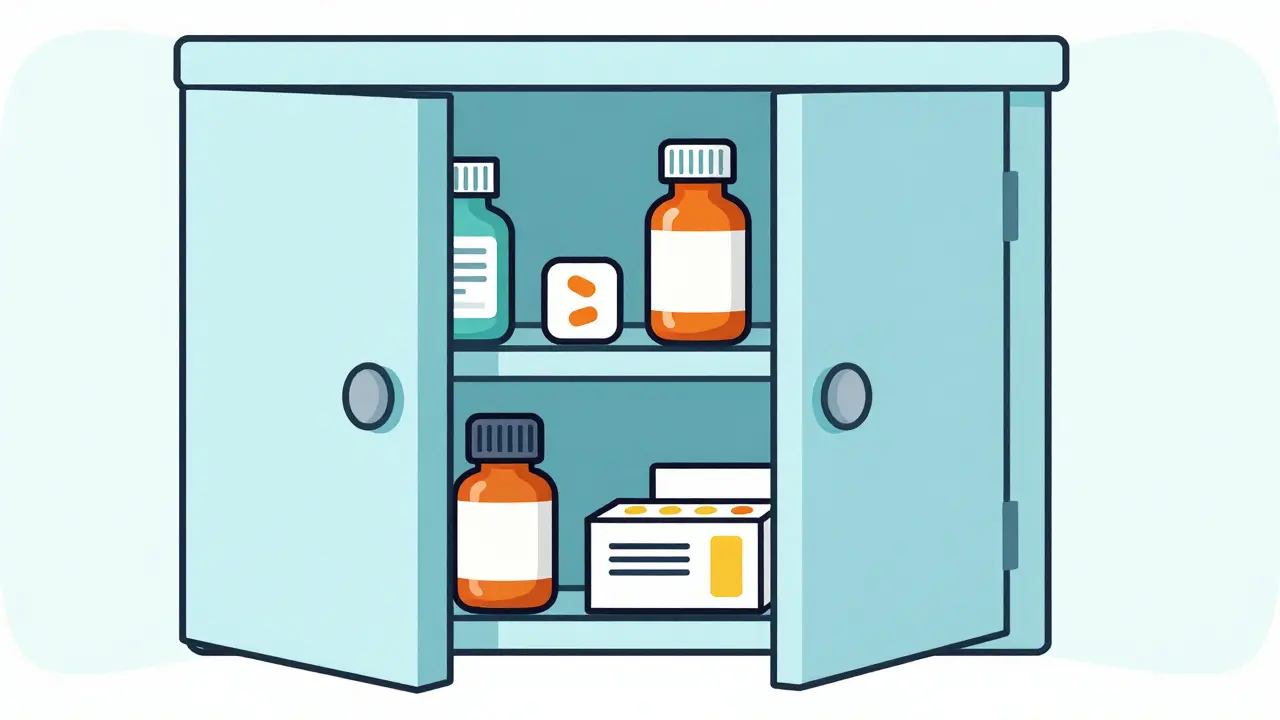
Look inside your bathroom cabinet right now. Chances are, you have a bottle of antibiotics from that cold last winter, painkillers you barely touched after a surgery, or blood pressure meds for a relative who no longer needs them. We keep these pills "just in case," but that stash is actually a ticking time bomb. Expired medications lose their effectiveness, and worse, they become easy targets for theft, accidental ingestion by children, or diversion into the wrong hands.
Throwing them in the trash isn't safe-it pollutes our water systems. Flushing them is even worse for the environment. So, what do you do? The answer lies in drug take-back programs, which are organized initiatives providing safe, environmentally protective methods for disposing of unwanted medications through designated collection points. These programs are not just a nice-to-have; they are a critical public health infrastructure designed to stop drug misuse and protect our planet. Here is exactly how they work, where to find them, and why using them matters more than ever.
The Core Problem: Why Proper Disposal Matters
Before we talk about bins and envelopes, let's look at why this exists. In the United States alone, more than 100,000 people die annually from drug overdoses. A significant portion of these tragedies starts with prescription drugs found lying around in homes. According to data from the Centers for Disease Control and Prevention (CDC), access to unused prescription opioids is a major risk factor for addiction among teenagers and young adults.
It’s not just about overdose risks. When you flush medicines or toss them in the garbage, those chemicals don’t just disappear. They leach into groundwater and sewage systems. The Environmental Protection Agency (EPA) has flagged pharmaceutical pollution as a growing threat to aquatic life and potentially human health. Drug take-back programs solve both problems simultaneously: they remove dangerous substances from homes and ensure they are destroyed via high-temperature incineration, keeping them out of landfills and waterways.
How Drug Take-Back Programs Operate
You might think these programs are just big events once a year, but the landscape has changed significantly since the Secure and Responsible Drug Disposal Act of 2010 gave the Drug Enforcement Administration (DEA) the authority to regulate these efforts. Today, there are three main ways these programs function:
- Permanent Drop Boxes: These are secure, locked receptacles located in pharmacies, hospitals, police stations, and some retail stores. They accept medications 24/7, 365 days a year. As of 2025, there are over 16,500 such locations nationwide.
- National Prescription Drug Take Back Days: Organized by the DEA twice a year (typically in April and October), these are large-scale community events where law enforcement sets up temporary collection sites. The April 2025 event saw nearly 4,500 collection sites across all 50 states collect over 620,000 pounds of medication.
- Mail-Back Systems: For those who can’t drive to a drop box, mail-back kits offer a convenient alternative. You receive a prepaid envelope, seal your meds inside, and mail it to an authorized destruction facility.
The shift toward permanent drop boxes is intentional. Research shows that communities with year-round access see 25% higher participation rates compared to those relying solely on temporary events. Convenience drives behavior, and having a bin at your local pharmacy makes disposal as easy as buying milk.
What You Can and Cannot Dispose Of
Not everything goes in the blue bin. Understanding what is accepted prevents contamination and ensures the safety of the workers handling the waste. Most standard take-back programs accept:
- Prescription medications (pills, capsules, liquids)
- Over-the-counter (OTC) drugs
- Transdermal patches (like nicotine or pain patches)
- Pet medications
- Vitamins and supplements
However, there are strict exclusions. You generally cannot dispose of the following in standard take-back bins:
- Aerosols or compressed cylinders (e.g., asthma inhalers, nitroglycerin sprays)
- Hydrogen peroxide or other flammable liquids
- Iodine-containing solutions
- Thermometers (due to mercury content)
- Illicit drugs (these should be turned over to law enforcement directly, not placed in public bins)
If you have hazardous materials like aerosols, check with your local household hazardous waste facility instead. Putting a pressurized canister in a medical waste bin can create serious safety hazards during transport and incineration.
Finding a Collection Site Near You
One of the biggest barriers to proper disposal is simply not knowing where to go. Only 28% of Americans reported being aware of year-round disposal options in recent surveys. To bridge this gap, the DEA maintains a searchable database on their official website. You can enter your zip code to find the nearest permanent drop-off location.
Pharmacy chains have become key players here. For instance, Walgreens operates over 1,600 in-store collection units across 49 states. Since launching their program in 2016, they have helped dispose of more than 2.4 million pounds of medication. Other major retailers and independent pharmacies also participate, often partnering with medical waste management companies like Stericycle to handle the logistics.
If you live in a rural area, access might be trickier. Data shows that only 63% of rural communities have easy access to these services compared to 89% of urban areas. In these cases, mail-back programs become a vital resource. Some states and community organizations provide free mail-back envelopes, while others require you to purchase them at the pharmacy counter.
Preparing Your Medications for Disposal
You don’t need to strip every label off every bottle, but privacy matters. Here is the best practice for preparing your stash:
- Keep original containers if possible: This helps handlers identify the contents quickly. If you’ve already dumped pills into a baggie, that’s okay too-just make sure the bag is sealed tightly.
- Remove personal information: Tear off the patient label containing your name, address, and insurance details. Or, use a marker to black out this sensitive data. This protects your identity.
- Do not mix with food or litter: Old advice suggested mixing pills with coffee grounds or kitty litter before trashing them. While this is still a backup method for home disposal, it is unnecessary and discouraged for take-back programs. Keep the meds dry and contained.
- Seal everything: Place loose pills or opened bottles in a sealed plastic bag to prevent spillage during transport.
This process takes less than five minutes. By removing your personal info, you eliminate any fear of identity theft or judgment. No one will know what you were treating-only that you are responsible.
| Method | Accessibility | Environmental Impact | Safety Risk |
|---|---|---|---|
| Permanent Drop Box | High (Year-round) | Low (Incinerated) | Very Low |
| Take-Back Event | Medium (Twice yearly) | Low (Incinerated) | Very Low |
| Mail-Back Kit | High (Convenient) | Low (Incinerated) | Low |
| Trash (Mixed with litter) | Very High | High (Leaches into soil/water) | Medium (Theft/Ingestion) |
| Flushing | Very High | Very High (Water contamination) | Low (Immediate removal) |
When Take-Back Isn't an Option
Life happens, and sometimes you don’t have a drop box nearby and can’t wait for a mailer. In these rare instances, the FDA provides specific instructions for at-home disposal. This should always be your last resort.
First, check the FDA’s list of approximately 15 medications that must be flushed. These are drugs with a high potential for abuse and fatal overdose if misused (such as certain strong opioids). For these specific items, flushing is the safest option to prevent immediate harm.
For all other medications, follow these steps:
- Remove medicines from their original containers.
- Mix them with an unappealing substance like dirt, used coffee grounds, or cat litter.
- Place the mixture in a sealed disposable container or a heavy-duty plastic bag.
- Throw the sealed container in your household trash.
Remember, this method does not destroy the active ingredients completely-it just makes them harder to retrieve. That is why take-back programs remain the gold standard.
The Future of Medication Disposal
The trend is clear: convenience wins. The DEA’s "Every Day is Take Back Day" initiative has accelerated the move away from sporadic events toward permanent infrastructure. Between 2015 and 2022, year-round collection locations increased by 210%. Legislation proposed in 2023 aims to expand mail-back access further by requiring Medicare Part D plans to cover the cost of disposal envelopes, potentially helping millions of seniors.
Community-based innovations are also emerging. Programs like Operation Medicine Cabinet in Florida use mobile collection units to visit neighborhoods, achieving significantly higher participation rates than stationary bins. As awareness grows and technology improves, getting rid of old meds will become as routine as recycling paper.
Where can I find a drug take-back location near me?
You can locate authorized collection sites by visiting the DEA’s official website and using their interactive map tool. Simply enter your zip code to find permanent drop boxes at pharmacies, hospitals, or police stations. Major pharmacy chains like Walgreens also list their participating stores online.
Can I throw expired medications in the regular trash?
While you can, it is not recommended. Throwing meds in the trash poses environmental risks as chemicals can leach into groundwater. It also creates safety risks if someone digs through the trash. Use a take-back program first. If unavailable, mix the meds with an undesirable substance like coffee grounds, seal them in a bag, and then trash them.
Are drug take-back programs free?
Yes, most permanent drop boxes and National Take Back Day events are completely free for consumers. Mail-back envelopes may sometimes have a small fee at retail pharmacies, though some states and organizations provide them for free. Check with your local provider for specifics.
What happens to the medications after I drop them off?
Collected medications are transported securely to licensed medical waste facilities. There, they are typically destroyed via high-temperature incineration. This process ensures the drugs cannot be recovered or diverted, and it minimizes environmental impact compared to landfill disposal.
Do I need to remove my name from the pill bottle?
It is highly recommended to remove or black out your personal information (name, address, insurance ID) from the prescription label to protect your privacy. However, you do not need to remove the drug name or dosage information, as this helps handlers process the waste correctly.
Can I dispose of pet medications in these bins?
Yes, most drug take-back programs accept veterinary prescriptions and over-the-counter pet medications. Just follow the same preparation guidelines: remove personal info and keep the meds in their original containers or sealed bags.
 Medications