

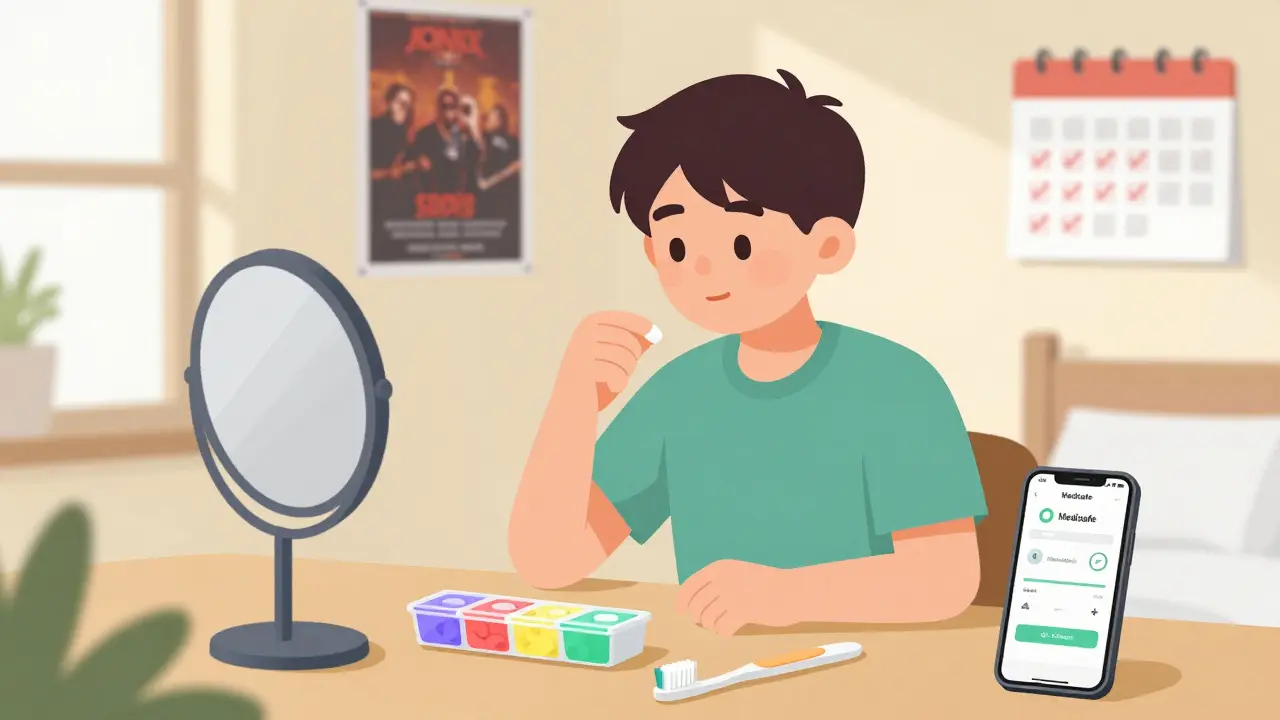
Teens are on the verge of adulthood, and one of the most important skills they need before leaving home is managing their own prescription medications. It’s not just about remembering to take pills-it’s about understanding why they’re taking them, knowing the risks, and having systems in place to stay safe. Many parents assume their teen will figure it out on their own, but without guidance, teens are at serious risk. According to the 2022 Monitoring the Future study, 14% of high school seniors have misused prescription drugs at least once. That’s not just a statistic-it’s a real danger facing families right now.
Start Early-Don’t Wait Until College
The best time to begin teaching medication management isn’t when your teen is packing for college. It’s in 10th grade. By then, most teens are already taking medications for conditions like ADHD, asthma, anxiety, or acne. This is the perfect window to start handing over responsibility, slowly and safely. Waiting until senior year leaves too little time to build real skills. Dr. Allison Baker from the Child Mind Institute recommends starting the transition in junior year at the latest. By then, your teen should be able to name every medication they take, explain what it’s for, and know how to refill it.Teach Them What Each Medication Does
Too many teens take pills without understanding them. They don’t know if a pill is for pain, mood, or allergies. That’s dangerous. Start by sitting down with your teen and each prescription bottle. Go over the name, purpose, dosage, and timing. Ask them to explain it back to you in their own words. If they can’t, go over it again. Use simple language: “This is Adderall. It helps your brain focus so you can pay attention in class. It’s not a study drug-it’s a medicine for ADHD.”Build a Routine They Can Stick To
The key to consistent medication use is tying it to habits they already have. Brushing teeth? Taking a shower? Eating breakfast? Pick one of those daily routines and link the medication to it. Research from the University of Rochester Medical Center shows that teens who pair their meds with an existing habit are 37% more likely to take them on time. If they take a pill every morning after brushing their teeth, it becomes automatic-not something they have to remember.Use Tools That Actually Work
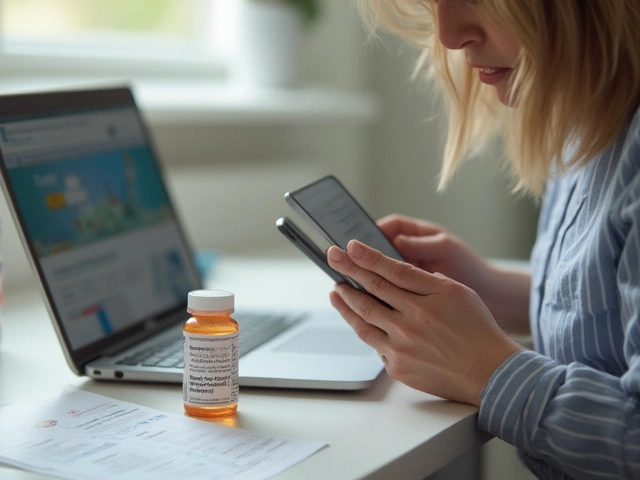
Forget sticky notes on the fridge. Teens need tech that fits their world. Smartphone alarms are simple but powerful. Set three reminders a day if needed. Apps like Medisafe or MyMeds send push notifications, track doses, and even alert a parent if a dose is missed. A 2020 University of Michigan study found that teens using these apps had a 41% increase in adherence. But not all apps are equal. The Mayo Clinic says only 22% of medication apps have been clinically tested for teens. Stick to ones that are FDA-recognized or recommended by your doctor.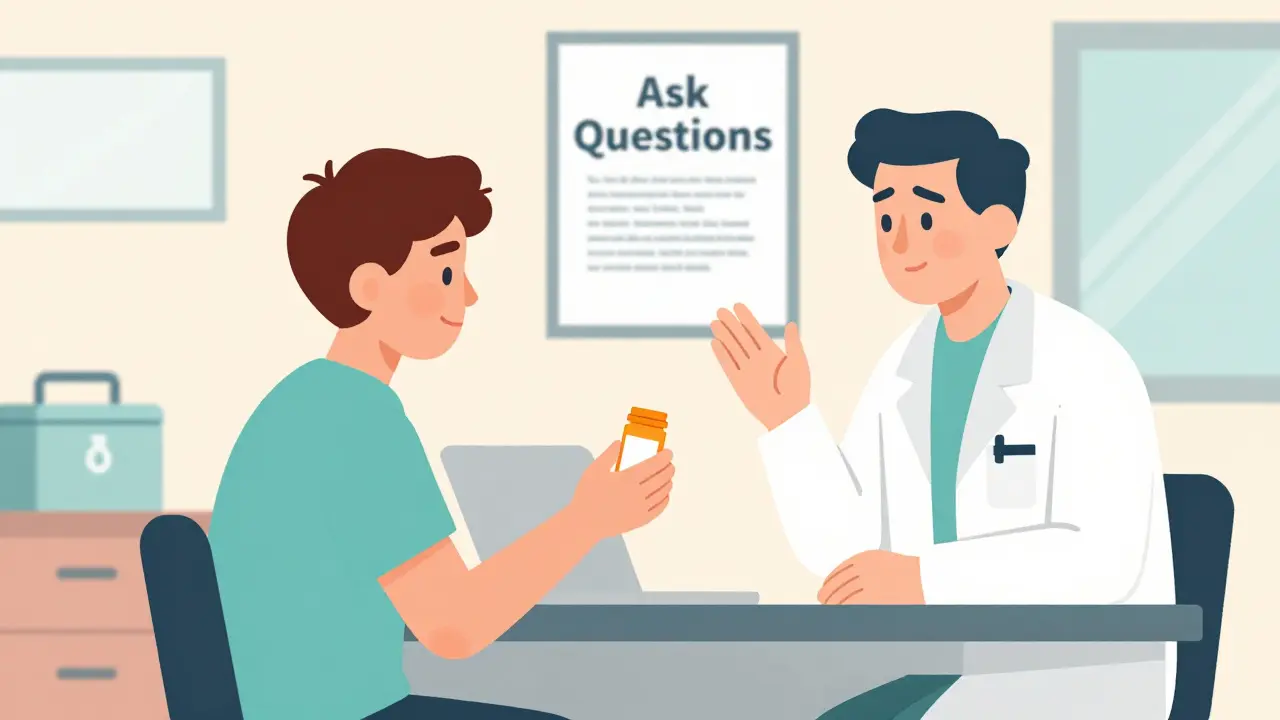
Teach Them the Real Dangers of Misuse
Many teens think prescription drugs are safer than street drugs. That’s a myth-and a deadly one. The DEA’s 2020 report found that 70% of teens believe prescription painkillers or ADHD meds are harmless if they’re not addicted. That’s false. Opioids, benzodiazepines, and stimulants like Adderall can cause overdose, heart problems, and addiction-even in people who start with a legitimate prescription. Show them real stories. Point out that the most common source of misused pills? The family medicine cabinet. Keep controlled substances locked up. Use a lockbox. Never leave them on the nightstand.Let Them Talk to the Doctor
Teens need to learn how to speak up about side effects, concerns, or questions. Start by inviting them to ask one question during their next doctor visit. “What happens if I skip a dose?” “Can I take this with energy drinks?” “Why does this make me feel tired?” Then, gradually, let them lead the conversation. By 12th grade, they should be able to schedule their own appointment, talk to the pharmacist about refills, and report side effects without you stepping in. This builds confidence and accountability.Involve Their Friends-But Wisely
Peer pressure is real. But peer support can be a powerful tool. Encourage your teen to find one trusted friend who also takes medication. They can remind each other, share tips, and hold each other accountable. A study in the Journal of Adolescent Health found that teens with a medication buddy had 22% higher adherence. Make sure that friend isn’t someone who pressures them to share pills. Talk to your teen about saying no. Programs like Generation Rx’s “My Generation Rx” curriculum teach teens how to respond when someone asks for their meds: “I can’t. It’s not mine to give.”Track Progress-But Don’t Spy
At first, supervise. Check that the pill bottle is emptying at the right rate. Use a weekly checklist. Then, shift to text check-ins: “Did you take your pill today?” After a few months, move to monthly spot-checks. The goal isn’t control-it’s trust. If your teen is consistently on track, stop micromanaging. If they miss doses, go back a step. Don’t punish. Ask why. Maybe the timing doesn’t fit their schedule. Maybe the side effects are too strong. Adjust together.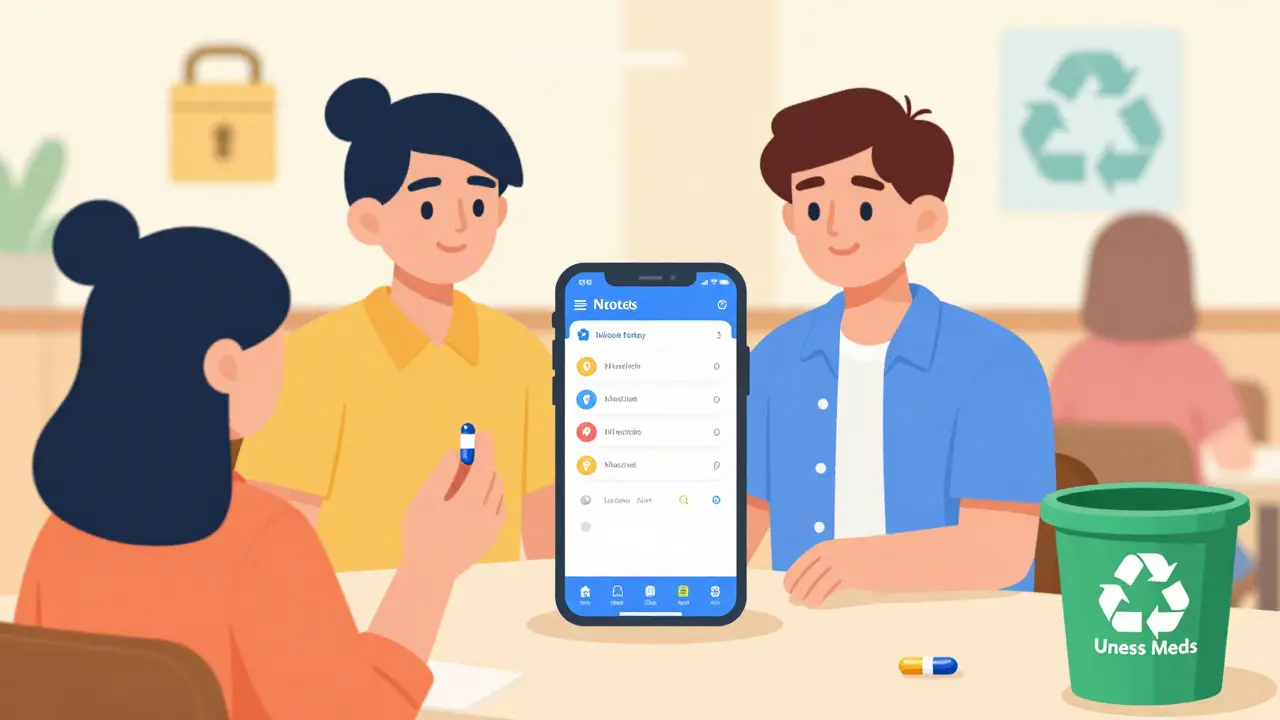
Dispose of Unused Pills-Immediately
Empty bottles sitting around are invitations to misuse. The DEA says over 14,000 pharmacies in the U.S. offer free take-back programs. Use them. Don’t flush pills or toss them in the trash. That pollutes water and makes it easy for others to find them. Teach your teen to clear out old meds every time they get a new prescription. Make it part of their routine-like recycling.What About Painkillers and Controlled Substances?
This is the hardest part. Even the most responsible teen should not be allowed to fully manage opioids, benzodiazepines, or strong stimulants without adult oversight. Aetna’s chief medical officer, Dr. Harold Paz, says clearly: “Even responsible teens should not control their painkillers.” Keep these meds locked. Count them weekly. Only give them out in doses you’ve pre-approved. If your teen needs these meds long-term, work with their doctor on extended-release options that require fewer daily doses. Less frequent dosing = less room for error.What Happens When They Leave Home?
By senior year, your teen should be able to:- Know all their meds by name and purpose
- Set alarms and use an app to track doses
- Request refills from the pharmacy
- Call their doctor with questions or side effects
- Store meds safely and dispose of leftovers
- Say no if someone asks for their pills
It’s Not Just About Taking Pills
Teaching teens to manage their meds isn’t just a health task-it’s a life skill. It’s about responsibility, self-advocacy, and making smart choices under pressure. The data shows it works. Schools using structured programs like Generation Rx saw 33% fewer cases of prescription misuse. Teens who use apps and routines are far less likely to end up in the ER. And most importantly, they grow into adults who know how to care for themselves.The goal isn’t to make your teen perfect. It’s to make them prepared. Start now. Keep it simple. Be patient. And remember: you’re not handing off control-you’re handing them the tools to stay safe.
At what age should I start teaching my teen to manage their own medications?
Start in 10th grade. By then, most teens are already taking medications for chronic conditions, and they’re developing the cognitive skills to understand why they need them. The goal is to build habits before they leave for college. Waiting until senior year leaves too little time for practice and mistakes.
What if my teen forgets to take their medication?
Don’t punish. Ask why. Did they miss it because the timing doesn’t fit their schedule? Is the side effect too uncomfortable? Is the pill too big to swallow? Adjust the routine or talk to the doctor. Use reminders, apps, or pill organizers to reduce forgetfulness. Consistency matters more than perfection.
Are medication apps safe and effective for teens?
Some are, but not all. Only about 22% of medication apps have been clinically tested for adolescent use. Stick to well-known, doctor-recommended apps like Medisafe or MyMeds. Avoid random apps from the app store. Check if the app is listed on the FDA’s digital health tools page or recommended by your child’s provider.
Should I let my teen keep their meds in their dorm room?
Only if they’ve demonstrated responsibility. Controlled substances like opioids or ADHD meds should be stored in a locked box, even in college. Encourage them to use the campus pharmacy for refills and to avoid keeping large quantities on hand. If they’re managing their meds well at home, they’re more likely to do the same away from home.
How do I know if my teen is misusing their prescription meds?
Watch for signs: pills disappearing faster than they should, changes in behavior like mood swings or secrecy, sudden interest in buying or sharing meds, or using meds for reasons other than prescribed (like staying awake to study). If you suspect misuse, don’t confront-ask. Say: “I noticed your pills are running out faster. Are you taking them the way your doctor said?” Stay calm. Listen. Then get help from their provider.
What should I do with old or unused prescriptions?
Take them to a pharmacy with a drug take-back program. The DEA lists over 14,000 locations across the U.S. that accept unused meds for safe disposal. Never flush them or throw them in the trash. This prevents accidental use by others and protects the environment.
Can teens manage their own ADHD or anxiety meds?
Yes, but with supervision. Stimulants like Adderall and benzodiazepines like Xanax carry high misuse risk. Start with once-daily extended-release versions to reduce dosing frequency. Keep a pill count. Use a lockbox. Gradually increase independence only after months of consistent, responsible use. Never allow full control without adult oversight.
 Medications



Tiffany Machelski
December 15, 2025 AT 18:31i just realized my sister takes her anxiety med after brushing her teeth and she never forgets anymore 😅
anthony epps
December 17, 2025 AT 07:32my cousin just started taking adderall and he still mixes up the blue one with the white one. he thinks they’re both for ‘focus’ but one’s for his heart. kinda scary.
Souhardya Paul
December 18, 2025 AT 08:17the part about linking meds to existing habits made me think of my nephew-he takes his asthma inhaler right after he brushes his teeth every night. it’s become as automatic as flossing. no reminders needed. that’s the kind of routine that sticks.
Dan Padgett
December 18, 2025 AT 15:39you know, in my village back home, we don’t have apps or lockboxes-but we have elders who sit with the young ones and say, ‘this medicine is not candy, it’s a key to your breath, your calm, your tomorrow.’ simple words, heavy truth. maybe the real tool isn’t the app-it’s the conversation.
Josias Ariel Mahlangu
December 19, 2025 AT 19:49teens today think they’re invincible. they take pills like candy and wonder why they feel weird. this isn’t parenting-it’s negligence. if you can’t trust your kid with a pill bottle, don’t give it to them. period.
Andrew Sychev
December 21, 2025 AT 19:18the fact that 14% of seniors have misused prescriptions isn’t a statistic-it’s a national crisis wrapped in a high school lunchroom. i’ve seen kids trade adderall like baseball cards. and the parents? they’re scrolling on their phones while their kid’s brain turns to jelly. this article should be mandatory reading for every parent who thinks ‘they’ll figure it out.’ they won’t. they’ll just end up in the ER.
SHAMSHEER SHAIKH
December 22, 2025 AT 20:08Dear Readers, I write this with profound respect for the courage it takes to guide young minds through the labyrinth of pharmaceutical responsibility. The data presented herein is not merely empirical-it is a clarion call to action. Consider, if you will, that the adolescent brain is a vessel of immense potential, yet vulnerable to misdirection. The use of technology-such as Medisafe or MyMeds-is not a luxury, but a lifeline. And yet, we must not mistake digital compliance for emotional understanding. A teen who takes a pill because an app pings them is not yet empowered; they are merely conditioned. True autonomy arises when they understand why the pill matters-not just when to take it. Let us, therefore, not only teach routines, but cultivate reverence-for medicine, for self, and for the fragile miracle of health.
Billy Poling
December 23, 2025 AT 04:09While I appreciate the thoroughness of this piece, I must emphasize that the notion of granting teens full autonomy over controlled substances, even under the guise of "gradual responsibility," is fundamentally flawed. The cognitive development of adolescents, particularly in the prefrontal cortex, remains incomplete until approximately age 25. To suggest that a 17-year-old can reliably manage stimulants or benzodiazepines without continuous adult oversight is not merely optimistic-it is medically irresponsible. The DEA’s findings on pill diversion from home medicine cabinets are not anecdotal-they are systemic. Parents who believe that "trust" replaces supervision are not fostering independence; they are enabling disaster. Furthermore, the recommendation to use smartphone apps as primary tools for adherence is dangerously naive. Not every teen has consistent access to a smartphone, and many are not emotionally equipped to handle the psychological weight of self-monitoring without external accountability. The solution is not more apps, but more structure: locked storage, scheduled check-ins, and mandatory pharmacy consultations-not as punishments, but as non-negotiable safeguards. This is not about control. It is about survival.
Hadi Santoso
December 24, 2025 AT 08:07my dad used to count my pills every sunday like it was a ritual. i thought he was paranoid. now i’m 21 and i get it. he wasn’t controlling-he was protecting. i still use medisafe and i still lock my meds. not because i’m scared i’ll mess up-but because i remember how close i came to it. thanks for writing this. it’s the kind of thing i wish i’d read when i was 16.