

Every year, millions of prescriptions are filled in the U.S. - over 3 billion in 2023 alone. But behind those numbers are thousands of mistakes that can hurt or even kill people. Medication errors don’t just happen in hospitals. They happen in your local pharmacy too. And while the numbers look different in each setting, the risks are real - and they’re not what most people expect.
How Often Do Errors Happen?
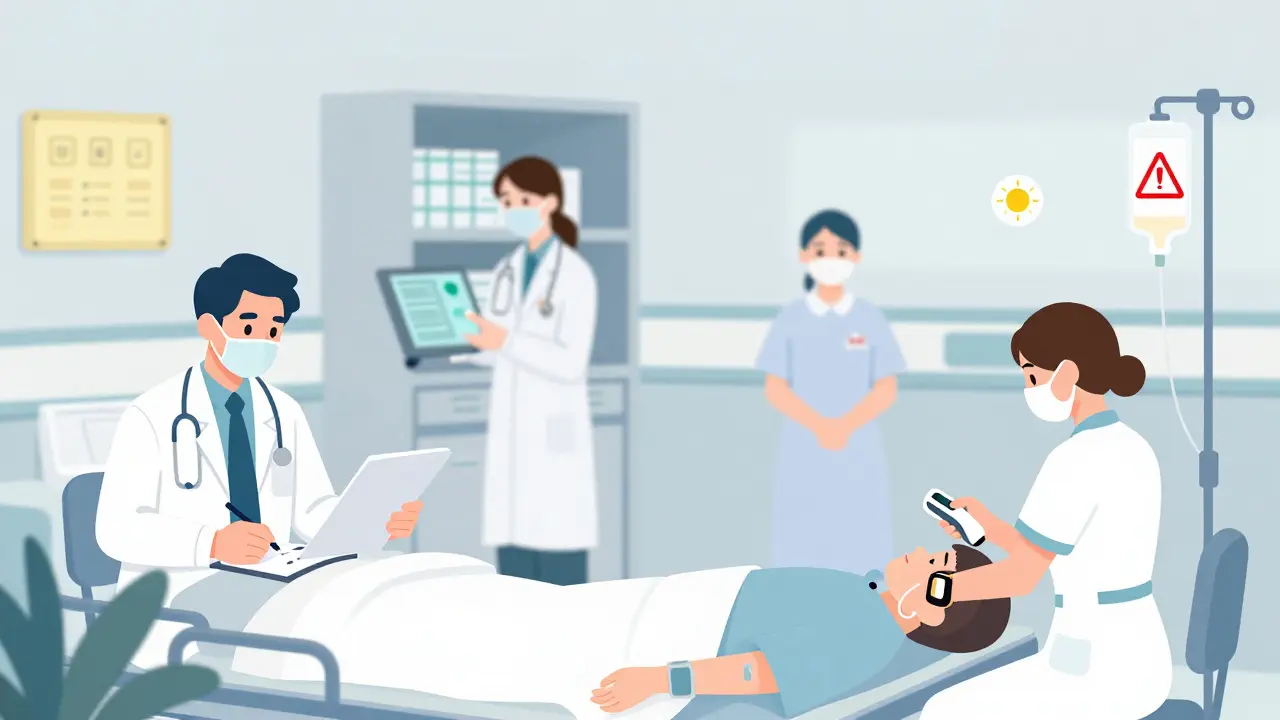
In hospitals, errors are everywhere. One study found that nearly 1 in 5 doses given to patients contained some kind of mistake. That’s 20%. These errors happen at every step: when a doctor writes the order, when the pharmacy fills it, when a nurse gives it to the patient. In some cases, the wrong drug, the wrong dose, or the wrong time is used. It’s not rare. In fact, large hospitals report about 100 medication errors every month.
But here’s the twist: retail pharmacies have far fewer errors - around 1.5% of all prescriptions. That sounds low, right? But when you multiply that across 3 billion prescriptions a year, it adds up to about 45 million errors. A typical community pharmacy filling 250 prescriptions a day might make four mistakes daily. Most of these are caught before the patient leaves - but not all.
What Kind of Mistakes Happen?
The types of errors are totally different in each place.
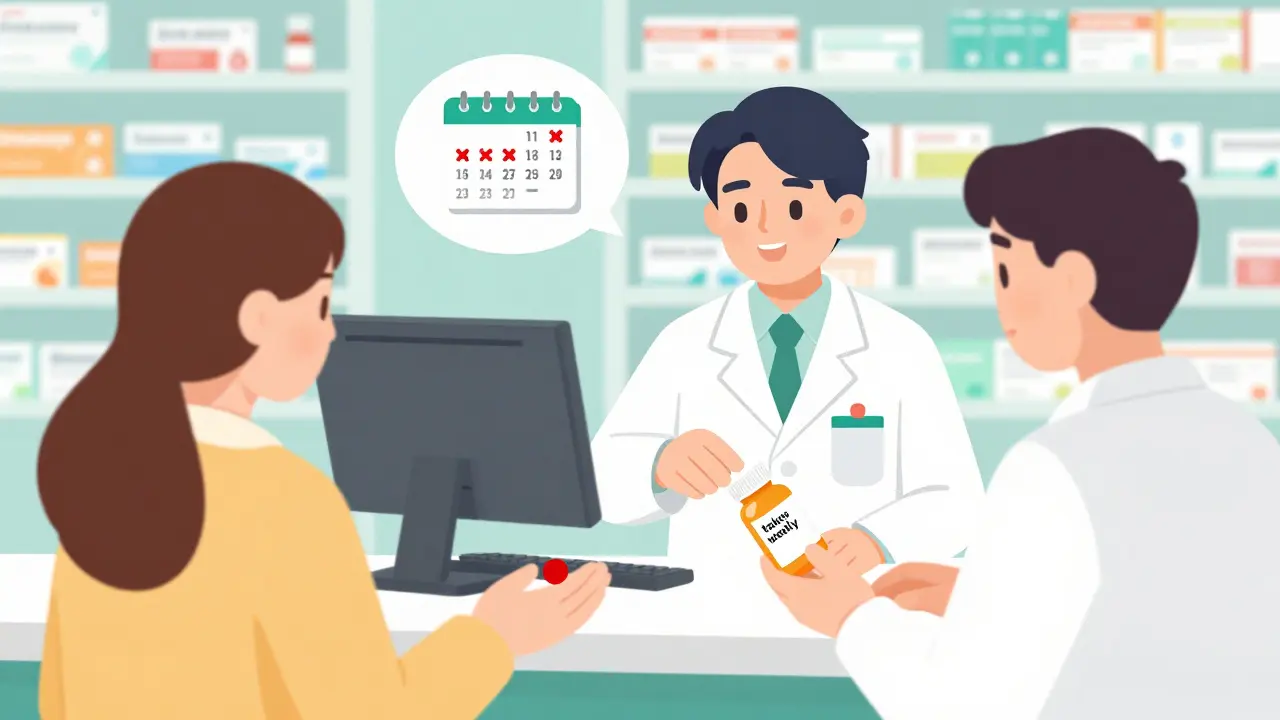
In retail pharmacies, the biggest problem is transcription. That’s when the pharmacist misreads or miskeys what the doctor wrote. One case from the AHRQ involved a patient prescribed one tablet twice a week for estradiol - but the prescription was typed as twice a day. The patient took it daily for weeks and ended up with dangerous hormone levels. Other common retail errors: wrong dosage, wrong drug, or unclear directions.
In hospitals, the mistakes are more about timing and administration. A patient might get their antibiotic two hours late. Or they get 10 mg instead of 5 mg. Or they’re given a drug they’re allergic to. Nurses are often the last line of defense - but they’re overworked, distracted, or pressured to move fast. A 2006 study found that 8% to 25% of doses given in hospitals had administration errors.
Why Are They Different?
The reason these errors look so different comes down to one thing: checkpoints.
Hospitals have layers. A doctor writes the order → the pharmacy reviews it → a pharmacist dispenses it → a nurse checks the patient’s wristband and barcode → the patient receives it. If something’s wrong at any point, someone can stop it. That’s why, even though errors are frequent, fewer end up hurting patients.
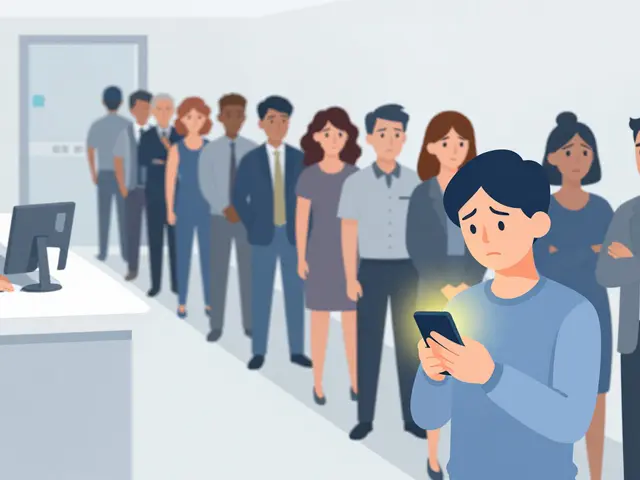
In a retail pharmacy? There’s almost no one between the pharmacist and you. You walk in. They fill your script. You pay. You leave. No nurse double-checks. No barcode scan. No patient ID verification. If the label says “take two pills daily” when it should be “take one pill weekly,” you won’t know - until you feel sick.
Who Gets Hurt the Most?
It’s not just about how many errors happen. It’s about what happens after.
In hospitals, patients are already sick. They’re monitored. Their vitals are watched. If something goes wrong, staff notice quickly. But when a mistake does slip through - like giving a diabetic the wrong insulin dose - the consequences can be deadly. The extra cost of treating drug-related injuries in hospitals alone is at least $3.5 billion a year.
In retail pharmacies, patients are usually healthy. They pick up their blood pressure pill, their thyroid med, their blood thinner. If a mistake happens here - say, giving 10 mg of warfarin instead of 5 mg - the person might not feel anything for days. Then they start bleeding internally. They go to the ER. They’re hospitalized. They need surgery. That’s when the real cost hits: emergency visits, hospital stays, lost wages. The NIH found that 1 in 10,000 community pharmacy errors led to hospitalization.
Why Are Errors Underreported?
Hospitals have formal reporting systems. If a nurse spots a mistake, they log it. It goes into a database. Teams review it. Changes are made. That’s how hospitals cut errors by over 50% in places like Mayo Clinic after installing integrated electronic health records.
Community pharmacies? Not so much. For years, there was no mandatory reporting. Pharmacists feared punishment. Patients didn’t know to report. Even today, only a few states - like California - require pharmacies to log errors for inspection. The FDA gets over 100,000 reports a year, but experts say that’s less than 10% of what actually happens.
What’s Being Done to Fix It?
Technology is helping - but unevenly.
In hospitals, barcode systems that match the patient, the drug, and the dose have cut errors by up to 86%. AI-powered alerts now warn pharmacists if a patient’s kidney function can’t handle a certain dose. Electronic prescribing cuts out messy handwriting.
At retail pharmacies, things are changing too. CVS Health rolled out AI verification in 2022 and cut dispensing errors by 37%. The University of California San Francisco tested an AI tool that flagged transcription mistakes before they were printed - reducing them by 63% in early trials.
But tech alone won’t fix this. Culture matters. In hospitals, staff are trained to speak up. In pharmacies? Many pharmacists still feel pressured to fill scripts faster than they can safely check them. The National Coordinating Council for Medication Error Reporting says we need a non-punitive culture - where reporting mistakes is encouraged, not punished.
What You Can Do
You’re the last line of defense - especially in retail pharmacies.
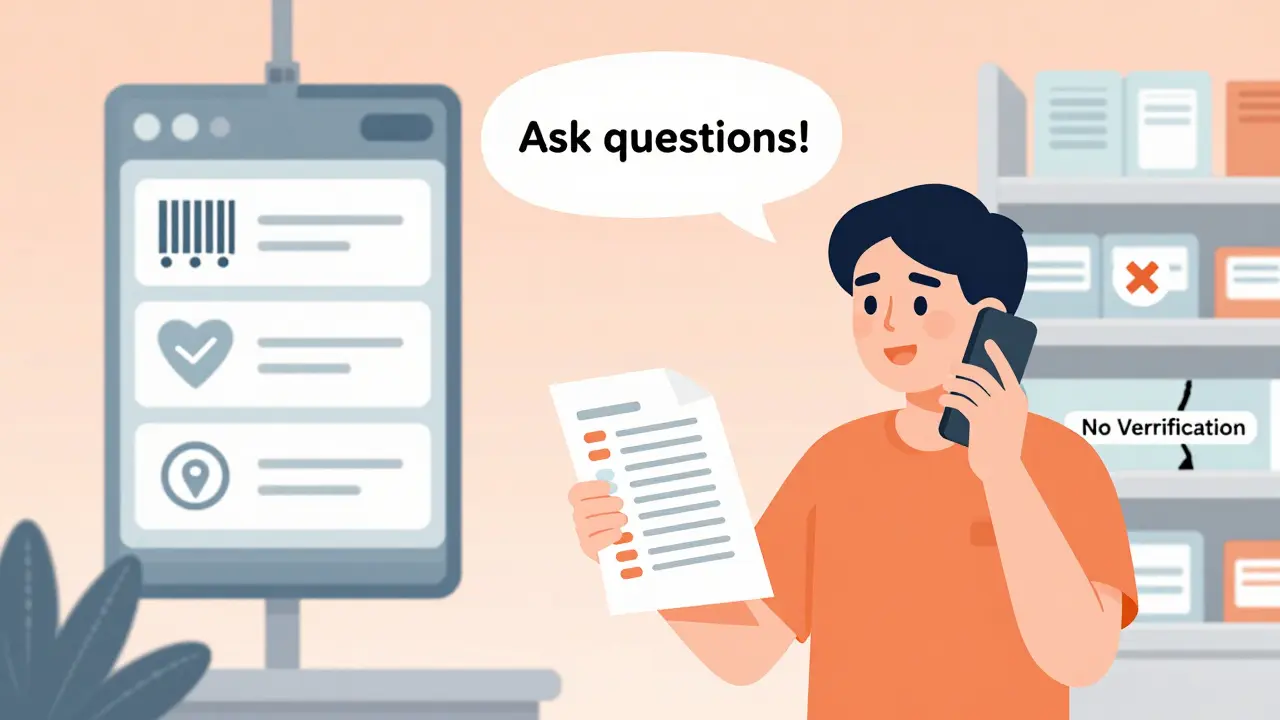
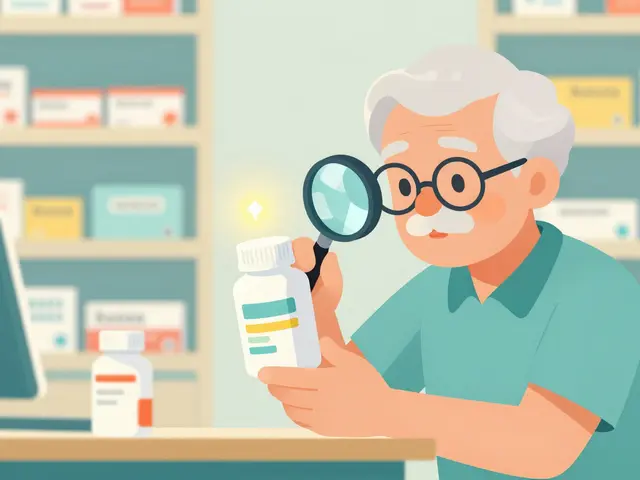
- Always check the label. Does the drug name match what your doctor told you?
- Does the dose make sense? If you’re supposed to take one pill a week and the bottle says one a day - ask.
- Ask the pharmacist: “Is this the same as before?” Changes happen. You might not notice.
- Keep a list of all your meds. Bring it to every appointment.
- If something feels off - call your doctor. Don’t wait.
Medication errors aren’t about bad people. They’re about complex systems under pressure. Hospitals have more mistakes, but more safety nets. Pharmacies have fewer mistakes - but fewer people watching. Both need better tools. Both need better culture. And both need you to speak up.
What’s Next?
The FDA’s Digital Health Center of Excellence is rolling out AI monitoring tools for pharmacies in 2024. The CDC is pushing for standardized error reporting across all settings. And more states are requiring pharmacies to log mistakes.
But until then, the system still relies on you. You’re not just a patient. You’re a safety checkpoint.
Are medication errors more common in hospitals or pharmacies?
Hospitals have higher error rates - about 20% of doses contain mistakes - while retail pharmacies have lower rates, around 1.5% of prescriptions. But because pharmacies fill billions of prescriptions yearly, that 1.5% still equals about 45 million errors annually. The key difference is that hospitals have multiple safety checks, while pharmacies rely mostly on the pharmacist and the patient.
What’s the most common type of error in a retail pharmacy?
The most common error is transcription: when the pharmacist misreads or miskeys the doctor’s instructions. For example, a prescription for "1 tablet twice per week" gets entered as "1 tablet twice per day." This is especially dangerous with drugs like insulin, warfarin, or thyroid medication. Studies show that 51% of community pharmacy errors are clinical in nature, meaning they could harm the patient.
Why don’t more people report pharmacy errors?
Many patients don’t realize they’ve been given the wrong medication. Others fear they’ll be blamed or that the pharmacy will refuse to fill their prescriptions. Pharmacists also fear punishment or job loss if they report mistakes. Until there’s a national, non-punitive reporting system, most errors go unreported - even when they cause harm.
Can barcode scanning prevent medication errors?
Yes - but mostly in hospitals. Barcode systems that match the patient’s ID, the drug, and the dose have reduced administration errors by up to 86%. In retail pharmacies, barcode scanning isn’t standard. Some chains are testing it, but most still rely on visual checks. That’s why errors still slip through.
Are hospital errors more dangerous than pharmacy errors?
It depends. Hospital errors often involve sicker patients, so a mistake can trigger rapid deterioration - like an overdose of a heart drug. But pharmacy errors are more likely to go unnoticed for days or weeks. A wrong blood thinner dose might not cause bleeding until 3 days later - by then, the patient’s in the ER. Both are dangerous. The difference is speed of detection.
What should I do if I think I got the wrong prescription?
Don’t take it. Call the pharmacy immediately and ask them to verify the prescription with your doctor. If they refuse or dismiss you, call your doctor directly. Keep a written list of all your medications and bring it to every appointment. If you’ve already taken the wrong dose and feel unwell, go to the ER or call 911. Never assume the pharmacist got it right - even if they’ve filled your script for years.
 Medications

Chima Ifeanyi
February 11, 2026 AT 10:47Let’s be real-the 1.5% error rate in retail pharmacies is a statistical mirage. You’re multiplying a low percentage across billions, but that ignores clustering. Errors aren’t Poisson-distributed; they’re systemic. Pharmacies in underserved areas? Higher error density. Rural chains? No backup pharmacists. The ‘45 million’ number sounds scary, but it’s not a risk metric-it’s a volume metric. We’re conflating incidence with impact. And nobody’s talking about the 80% of errors that are caught by patients who *know* their meds. That’s the real story.
Also, ‘transcription errors’? That’s a euphemism. It’s not a typo-it’s a failure of workflow design. If your system requires a human to interpret cursive handwriting in 2024, you’re not a pharmacy, you’re a relic.
And don’t get me started on ‘barcodes in hospitals fixed everything.’ They didn’t. They just moved the failure point to the nurse who ignores the alarm because it’s the 14th false positive this shift. Tech doesn’t fix culture. It just automates the arrogance.
Jonah Mann
February 12, 2026 AT 23:48so like… i work in a pharmacy and let me tell u, we do like 300 scripts a day and yeah we make mistakes but like 90% of em are caught before the patient even leaves? like we have this system where if the med is high risk it auto flags and we call the dr. but like sometimes the dr’s office is closed and we just… go with it? and then the patient comes back like 2 days later like ‘hey this pill looks different’ and we’re like oh shoot lol. its not that we dont care, its that we’re understaffed and overworked and no one gives a damn until someone dies. also my boss says ‘dont report minor errors’ so we dont. so the stats are fake. and yeah i know that’s bad. but what are we supposed to do? quit? lol.
THANGAVEL PARASAKTHI
February 13, 2026 AT 08:38As someone who’s been on both sides-patient and caregiver-I’ve seen how fragile this system is. A friend of mine was given 10x her thyroid dose because the label said ‘1 tablet daily’ instead of ‘1 tablet weekly.’ She didn’t feel anything for 5 days. Then she had a panic attack, tremors, heart palpitations. Turned out she was in atrial fibrillation. Took 3 days in the hospital. The pharmacy? They said ‘it was a transcription error’ and offered a $20 coupon. No apology. No follow-up. No systemic change. We need mandatory reporting. Not just ‘voluntary.’ We need audits. We need consequences. But more than that-we need empathy. Pharmacists aren’t robots. They’re humans in a broken machine. Fix the machine, not just the blame.
Also, keep your med list updated. Always. Write it down. Bring it. Even if they say ‘we have it on file.’ They don’t.
Frank Baumann
February 14, 2026 AT 17:34OH MY GOD. I JUST REALIZED SOMETHING TERRIFYING. I’VE BEEN TAKING MY WARBIN FOR 8 YEARS. I’VE NEVER CHECKED THE LABEL. I JUST TAKE THE PILLS. I’M A 52-YEAR-OLD MAN WHO TRUSTS PHARMACISTS LIKE THEY’RE DOCTORS. WHAT IF ONE DAY-JUST ONE DAY-SOMEONE MISTYPED ‘5MG’ AS ‘10MG’? WHAT IF I STARTED BLEEDING INSIDE? WHAT IF I DIED AND NO ONE KNEW WHY? I JUST WENT TO THE PHARMACY YESTERDAY. I’M GOING BACK. RIGHT NOW. I’M GOING TO ASK THEM TO SHOW ME THE PRESCRIPTION. I’M GOING TO ASK THEM TO READ IT OUT LOUD. I’M GOING TO ASK THEM IF THEY’VE EVER MADE A MISTAKE. AND IF THEY SAY NO-I’M GOING TO LEAVE. BECAUSE NO ONE’S PERFECT. AND IF THEY’RE NOT HONEST ABOUT THAT-THEN THEY’RE NOT TRUSTWORTHY. I’M NOT JUST A PATIENT. I’M A LIVING, BREATHING CHECKPOINT. AND I’M NOT SLEEPING ON THIS ANYMORE.
TO EVERYONE ELSE: DO THIS. TODAY. DON’T WAIT UNTIL IT’S TOO LATE.
I’M SCARED.
AND YOU SHOULD BE TOO.
Chelsea Deflyss
February 16, 2026 AT 10:05lol the ‘you’re the last line of defense’ advice is so white middle-class. what if you’re blind? what if you’re elderly and can’t read? what if you don’t speak english? what if you’re on 12 meds and your brain is fried from chemo? this whole post reads like it was written by a nurse who’s never had to wait 3 hours for a script at a 7-eleven pharmacy in a hood. the real solution? more staff. better pay. less pressure. not ‘ask more questions.’ that’s victim-blaming wrapped in a wellness blog.
Tricia O'Sullivan
February 16, 2026 AT 15:55While I appreciate the thoroughness of the analysis, I must respectfully suggest that the framing of patient responsibility as the final safeguard, while well-intentioned, may inadvertently shift accountability away from institutional failures. The onus placed upon individuals to verify complex pharmaceutical regimens-particularly among populations with limited health literacy, linguistic barriers, or cognitive impairments-risks creating an ethical imbalance. Systemic reform, not individual vigilance, must remain the primary objective. The data on error rates are compelling, yet the policy response remains fragmented. Perhaps the next step is not merely reporting, but codifying a universal, federally mandated, non-punitive error disclosure protocol-anchored in patient safety, not liability avoidance.
Scott Conner
February 17, 2026 AT 08:38wait so if hospitals have 20% error rate but fewer deaths, and pharmacies have 1.5% but more total errors… does that mean hospitals are actually safer? like, if you have 100 errors but 90 get caught before the patient gets hurt, and pharmacies have 45 million errors but 44.9 million get caught… then the real danger is the 10,000 that slip through? so maybe the problem isn’t the number of errors-it’s the lack of follow-up in retail? like… why don’t pharmacies call you back if the med is high risk? why no nurse check? why no automated call? this feels like a loophole in the system.
Alex Ogle
February 17, 2026 AT 15:35I’ve worked in three different hospitals and two retail chains. The truth? The hospital system is a Rube Goldberg machine of checks that only works if everyone is awake, sober, and not on their 18th shift. The pharmacy? It’s a single human, headphones on, 12 patients in line, and a screaming baby in the back. The barcode scanner? It’s broken. The printer? It’s out of ink. The ‘double-check’? The pharmacist just looks at the label and says ‘yep’ while scrolling TikTok.
Here’s what no one says: the real problem isn’t the tech. It’s the wage. A hospital pharmacist makes $140k. A retail pharmacist makes $125k-with 60-hour weeks and no overtime. They’re not lazy. They’re exhausted. And when you’re exhausted, you skip steps. You assume. You trust the system. And sometimes… you get lucky.
Fix the pay. Fix the hours. Then the errors will drop. Not because people are better. But because they’re not broken.
Marie Fontaine
February 18, 2026 AT 05:31OMG YES! I just got my new blood pressure med and I was like wait… this bottle looks different?? I called the pharmacy and they were like ‘oh yeah we switched generics’ and I was like ‘but my old one was blue and this is white??’ and they were like ‘it’s the same thing’ and I said ‘prove it’ and they sent me a pic of the script and sure enough-DOSE WAS WRONG 😱
So I called my doctor and she was like ‘oh my god thank you for catching that’ and they fixed it. But like… why did I have to be the one? I’m not a doctor. I’m a teacher. I just take my meds. 🙃
PS: I started a meds list on my phone. I recommend it. You’re welcome. 💪💊
Tatiana Barbosa
February 18, 2026 AT 15:27Let’s reframe this: medication errors aren’t about negligence-they’re about entropy. Systems degrade. People get tired. Algorithms fail. The real question isn’t ‘who’s at fault?’ It’s ‘how do we build redundancy?’ Hospitals have layers because they’re high-risk environments. Pharmacies don’t because we treat them like convenience stores. But your thyroid med is just as life-critical as your chemo. We need parity. AI verification? Great. But also: mandatory 10-minute hold time for high-risk scripts. Automated patient call-backs. Pharmacist-to-patient video verification. And yes-federal reporting. Not state-by-state. Not ‘voluntary.’ Mandatory. With anonymized public dashboards. Transparency isn’t punishment. It’s prevention. We can fix this. But only if we stop blaming the pharmacist and start redesigning the system.
Susan Kwan
February 19, 2026 AT 06:16Oh wow. So the solution to 45 million errors is… ‘ask more questions’? Brilliant. Just like how the solution to car crashes is ‘drive more carefully.’ You know what actually works? Airbags. Seatbelts. Crash testing. Regulation. Standardization. Not ‘you be more careful.’
Let me guess-the author has never waited 45 minutes at CVS while the pharmacist argues with a pharmacy tech about whether ‘10 mg’ is the same as ‘10mg.’
Stop romanticizing patient vigilance. It’s not empowerment. It’s exploitation. Fix the system. Or stop pretending we’re safe.