


Getting a child ready for surgery or a medical procedure isn’t just about skipping breakfast. It’s about managing fear, timing meds just right, and avoiding dangerous mistakes that can delay or even cancel the procedure. Parents often feel overwhelmed - what can they eat? When should the medicine be given? Why does the doctor keep asking about asthma or seizures? The answers matter more than most realize. A well-prepared child has less anxiety, fewer complications, and a smoother recovery. Poor preparation? That’s how kids end up in the ER after a canceled surgery or wake up terrified in the operating room.
Understand the Fasting Rules - They’re Not the Same as for Adults
Kids don’t process food the same way adults do. Their stomachs empty faster, so their fasting windows are shorter. But that doesn’t mean they can sip juice right up until the last minute. Here’s what works:- No solid foods after midnight for children over 12 months. This includes snacks, peanut butter, or even a bedtime cookie.
- Milk or formula can be given up to 6 hours before the procedure.
- Breast milk is allowed until 4 hours before.
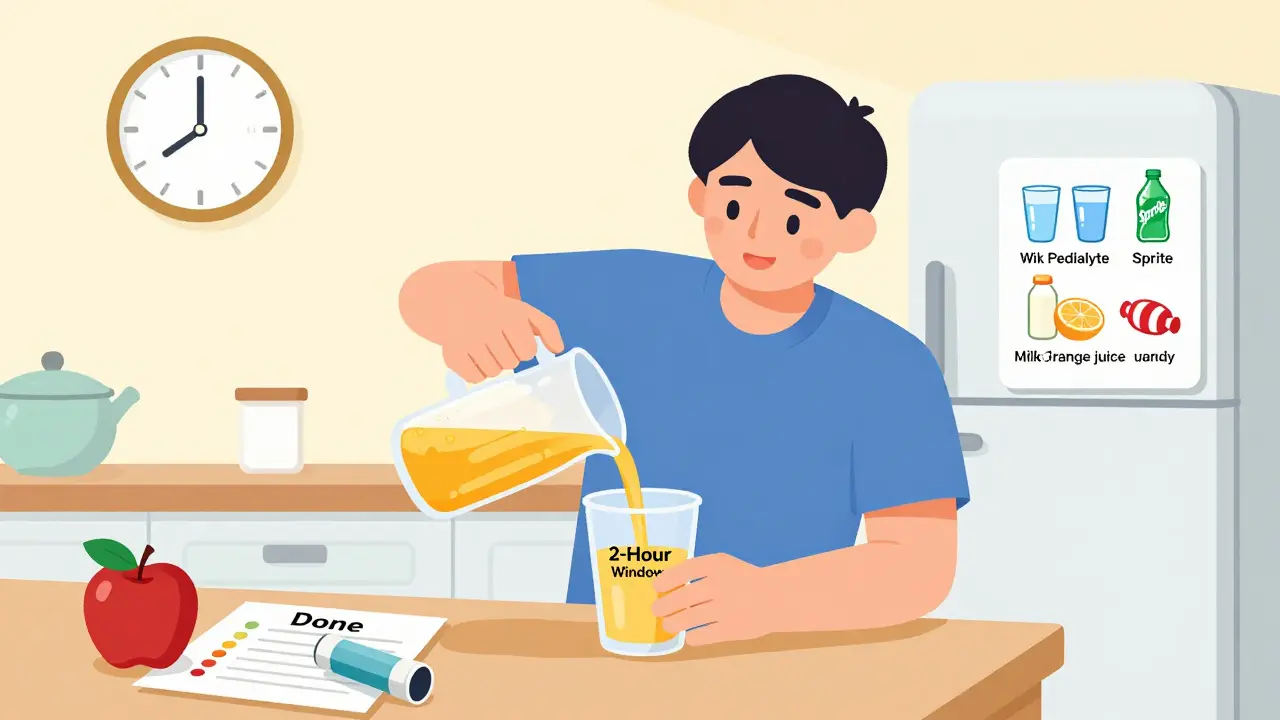
- Clear liquids - water, Pedialyte, Sprite, 7-Up, or apple juice without pulp - are okay up to 2 hours before.
Don’t confuse "clear" with "any liquid." Orange juice? Not clear. It has pulp and slows stomach emptying. Gatorade? Only if it’s the original formula - no red or purple dyes, which can mimic blood during surgery. Texas Children’s Hospital found that 28% of parents got this wrong, leading to delays or cancellations. Write down the rules. Show them to grandparents or caregivers who might be helping with the child that day.
Pre-Op Medications: What Works, What Doesn’t
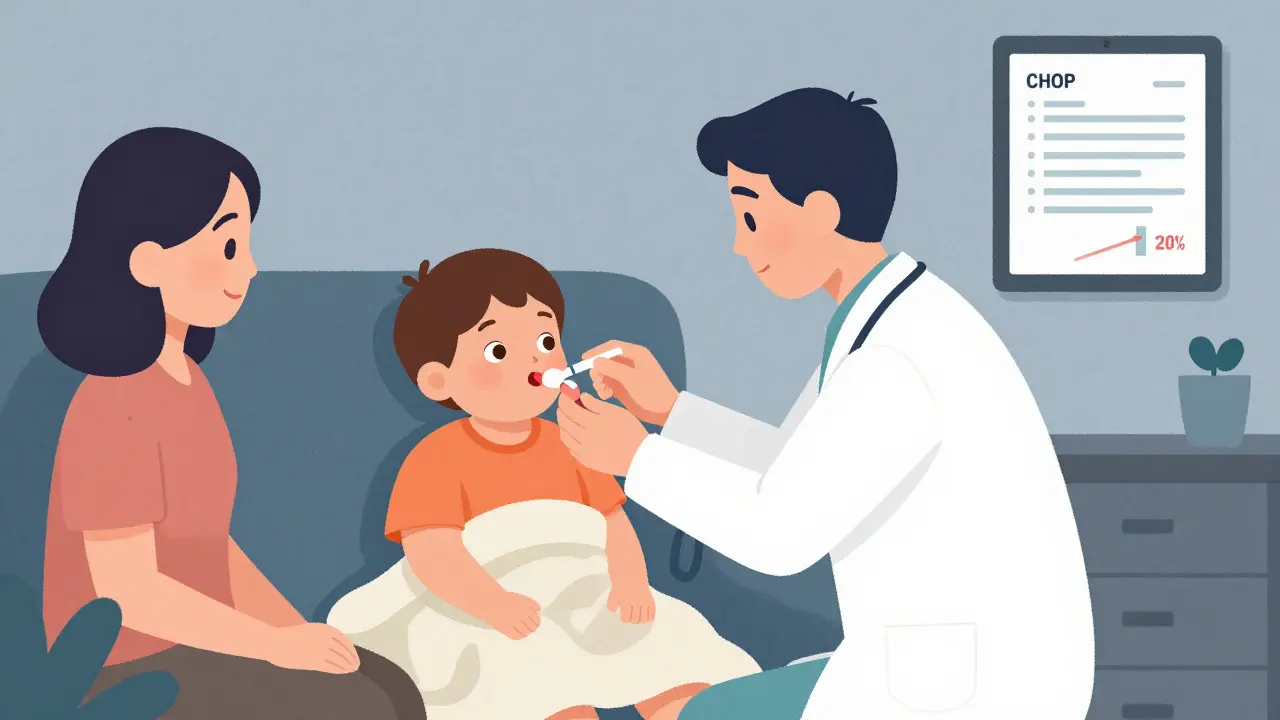
The goal of pre-op meds is to calm the child without putting them to sleep too early. The most common choice is midazolam, a sedative that reduces anxiety and helps kids forget the scary parts.- Oral midazolam: 0.5-0.7 mg per kg of body weight (max 20 mg). Given 20-30 minutes before the procedure. Tastes bitter, so many hospitals mix it with juice or syrup.
- Intranasal midazolam: 0.2 mg per kg (max 10 mg). Sprayed into the nose. Faster acting, less messy. But 12% of kids get nasal irritation or sneezing fits that delay the procedure.
- Intramuscular ketamine: 4-6 mg per kg. Used when a child is too agitated to take oral or nasal meds. Takes 3-5 minutes to kick in. Kids become calm and detached - not asleep, but not scared either. Parents often worry about "dissociation," but it’s a controlled state. The downside? 8-15% of kids experience emergence delirium - crying, thrashing, or confusion when waking up. That’s why it’s only used when absolutely necessary.
Studies from Royal Children’s Hospital in Melbourne show that using these meds cuts post-op behavioral problems - like nightmares, clinginess, or refusing to go to the doctor again - by 37%. Without them, kids are three times more likely to have lasting anxiety about medical care.
Medications to Keep Taking - And the Ones to Hold
Many parents panic and stop all meds the night before. That’s dangerous.- Keep going: Antiseizure medications (like levetiracetam or valproic acid). Stop these and your child could have a seizure during anesthesia. Give them with a small sip of water on the morning of surgery.
- Keep going: H2 blockers (famotidine) or proton pump inhibitors (omeprazole). These reduce stomach acid and lower the risk of aspiration - when stomach contents enter the lungs. That’s a life-threatening complication.
- Keep going: Asthma inhalers (albuterol). Use them as scheduled on the morning of surgery. Children with uncontrolled asthma have a 40% higher chance of bronchospasm during anesthesia.
- Hold these: GLP-1 agonists like semaglutide (Wegovy, Ozempic) and exenatide (Byetta). These diabetes and weight-loss drugs slow stomach emptying. The 2023 ASA guidelines say to stop semaglutide 1 week before and exenatide 3 days before. One case report in a 14-year-old led to aspiration and ICU admission.
AAFP’s 2022 guidelines say 32% of pre-op medication errors involve stopping antiseizure drugs. Don’t assume the pharmacist or nurse will catch it. Bring a list of every medication your child takes - including doses and times - to the pre-op appointment.
Special Cases: Autism, Obesity, and Other Complex Needs
Not all kids respond the same way.Children with autism spectrum disorder often need extra time and different strategies. At Royal Children’s Hospital, 40% required modified plans. One common fix: giving clonidine (4 mcg/kg) 4 hours before the procedure. It reduces agitation without causing deep sedation. Some hospitals use sensory-friendly rooms, dim lights, or allow a parent to stay until the child is fully asleep.
Obesity changes everything. A 2023 multicenter trial showed that standard midazolam doses were ineffective in 35% of obese children. The new CHOP clinical pathway (updated August 2025) recommends increasing the dose by 20%. BMI matters - not just weight. If your child has a high BMI, ask if they need a higher dose.
Nitrous oxide (laughing gas) is often used for dental work, but it’s risky for kids with asthma or pulmonary hypertension. Dr. Charles Coté’s guidelines warn it can trigger 25-30% more airway reactivity. If your child wheezes or has frequent respiratory infections, say so. There are safer alternatives.
What Happens Before You Walk Into the OR
The hospital’s pre-op checklist isn’t just bureaucracy - it’s a safety net. Here’s what they’re checking:- Medical history: Any heart conditions, lung issues, or previous bad reactions to anesthesia?
- Behavioral history: Is your child usually calm in new places? Do they have separation anxiety?
- Medication reconciliation: Did they take everything they should? Did they stop what they shouldn’t?
- NPO status: Did they fast correctly? Did they drink something they shouldn’t have?
- Premedication: Was the right dose given at the right time?
- Consent: Did you understand the risks? Did you sign the form?
- Transport readiness: Is the IV ready? Is the child calm enough to be moved?
At community hospitals, only 78% follow all these steps. At academic centers, it’s 95%. If you’re at a smaller hospital, don’t assume they know the rules. Ask: "Are you using the CHOP or RCH Melbourne protocol?" If they don’t know, ask for the anesthesiologist before the procedure.
Common Mistakes Parents Make - And How to Avoid Them
- Mistake: Giving candy or gum to calm the child before arrival. Fix: No food or drink after the cutoff time. Even gum delays stomach emptying.
- Mistake: Forgetting to bring the child’s inhaler or seizure meds. Fix: Pack them in a separate bag labeled with the child’s name and dose schedule.
- Mistake: Worrying too much and making the child anxious. Fix: Stay calm. Kids pick up on stress. Say, "The doctors are going to give you medicine to help you sleep so you won’t feel anything. I’ll be right outside."
- Mistake: Assuming "clear liquids" means anything that’s not milk. Fix: Stick to water, Pedialyte, Sprite, 7-Up, or apple juice - no pulp, no color.
One parent on Reddit shared that her 5-year-old had a procedure canceled because she gave him apple juice with pulp. "I thought it was clear," she wrote. The hospital had to reschedule for two weeks later. That’s avoidable.
What to Expect After the Medication
After the pre-op meds kick in, your child might:- Get sleepy or drowsy
- Be more talkative or giggly
- Have trouble walking straight
- Not remember the trip to the OR
This is normal. Don’t panic if they seem "out of it." The goal is to make them calm, not unconscious. The anesthesiologist will monitor them closely with pulse oximetry, heart rate, and blood pressure. For high-risk kids, they’ll also track end-tidal CO2 to make sure they’re breathing well.
If your child gets ketamine, expect them to be quiet and detached - not crying or fighting. That’s the point. When they wake up, they might be confused or upset for a few minutes. That’s emergence delirium. It’s not pain - it’s the drug wearing off. Nurses are trained to handle it. Hold their hand. Talk softly. It usually passes in 10-15 minutes.
Why This Matters Beyond the Procedure
Good pre-op prep doesn’t just make surgery safer - it changes how your child sees healthcare for years. A 2019 study in Pediatrics found that kids who had a calm, well-managed pre-op experience were 50% less likely to develop long-term fear of doctors. That’s not just comfort - it’s lifelong health.Hospitals with standardized protocols (like CHOP or RCH Melbourne) have 22% fewer canceled procedures. That means less stress for families, fewer missed school days, and lower costs. It’s not just medical - it’s practical. And with 78% of major children’s hospitals now using digital apps to schedule meds and fasting times, the system is getting smarter. You just need to follow the plan.
Pre-op meds aren’t optional. They’re essential. Get them right, and you’re not just helping your child survive surgery - you’re helping them trust the system that’s supposed to care for them.
Can I give my child their regular medicine the morning of surgery?
It depends. Always give antiseizure medications with a small sip of water. Keep asthma inhalers and acid-reducing meds like omeprazole. But hold diabetes medications like GLP-1 agonists (semaglutide, exenatide) for 1 week or 3 days before, respectively. Never stop meds without checking with the anesthesiologist.
What if my child eats something they shouldn’t before surgery?
Call the hospital immediately. If it’s within 6 hours of the scheduled time and they ate solid food, the procedure will likely be postponed. Eating too close to surgery raises the risk of aspiration - when stomach contents enter the lungs. It’s rare, but life-threatening. Better to delay than risk it.
Is midazolam safe for toddlers?
Yes. Midazolam is the most studied pre-op sedative for kids and is approved for children as young as 6 months. Dosing is based on weight - 0.5-0.7 mg per kg - and it’s given orally or intranasally. Side effects are rare but can include drowsiness, irritability, or paradoxical reactions (like crying or aggression), which happen in 5-10% of cases. The team will monitor for this.
Why can’t my child have orange juice before surgery?
Orange juice has pulp and natural fibers that slow stomach emptying. The goal is to have an empty stomach during anesthesia. Clear liquids like water, Pedialyte, or apple juice (without pulp) pass through quickly. Even though it looks clear, orange juice isn’t safe - it increases aspiration risk.
What if my child is autistic or has developmental delays?
Tell the hospital ahead of time. Many children with autism need modified plans - like giving clonidine 4 hours before, using sensory-friendly rooms, or letting a parent stay until they’re asleep. At Royal Children’s Hospital, 40% of autistic children required these adjustments. Don’t assume they’ll know - bring a written plan or a list of what calms your child.
How do I know if the hospital is using the right protocol?
Ask: "Are you following the CHOP, RCH Melbourne, or Texas Children’s Hospital guidelines?" The top three protocols are backed by research and updated regularly. Academic hospitals almost always use them. Smaller hospitals may not. If they don’t know the names, ask to speak with the anesthesiologist before the day of surgery.
If you’ve followed the fasting rules, given the right meds at the right time, and communicated your child’s full medical history, you’ve done everything right. The team will take care of the rest.
 Medications

roger dalomba
December 26, 2025 AT 23:52Erwin Asilom
December 27, 2025 AT 01:48Sophia Daniels
December 28, 2025 AT 14:13Peter sullen
December 30, 2025 AT 11:10Natasha Sandra
December 31, 2025 AT 17:05Sandeep Jain
January 1, 2026 AT 21:54Brittany Fuhs
January 3, 2026 AT 21:14Nikki Brown
January 5, 2026 AT 15:44Steven Destiny
January 7, 2026 AT 11:06Fabio Raphael
January 9, 2026 AT 08:15Amy Lesleighter (Wales)
January 10, 2026 AT 01:04Becky Baker
January 10, 2026 AT 05:35Rajni Jain
January 11, 2026 AT 16:42Sumler Luu
January 12, 2026 AT 11:54