Medication Heat Intolerance Risk Calculator
Select Your Medications
Click on the medication classes you are currently taking.
Your Heat Safety Profile
Recommended Actions
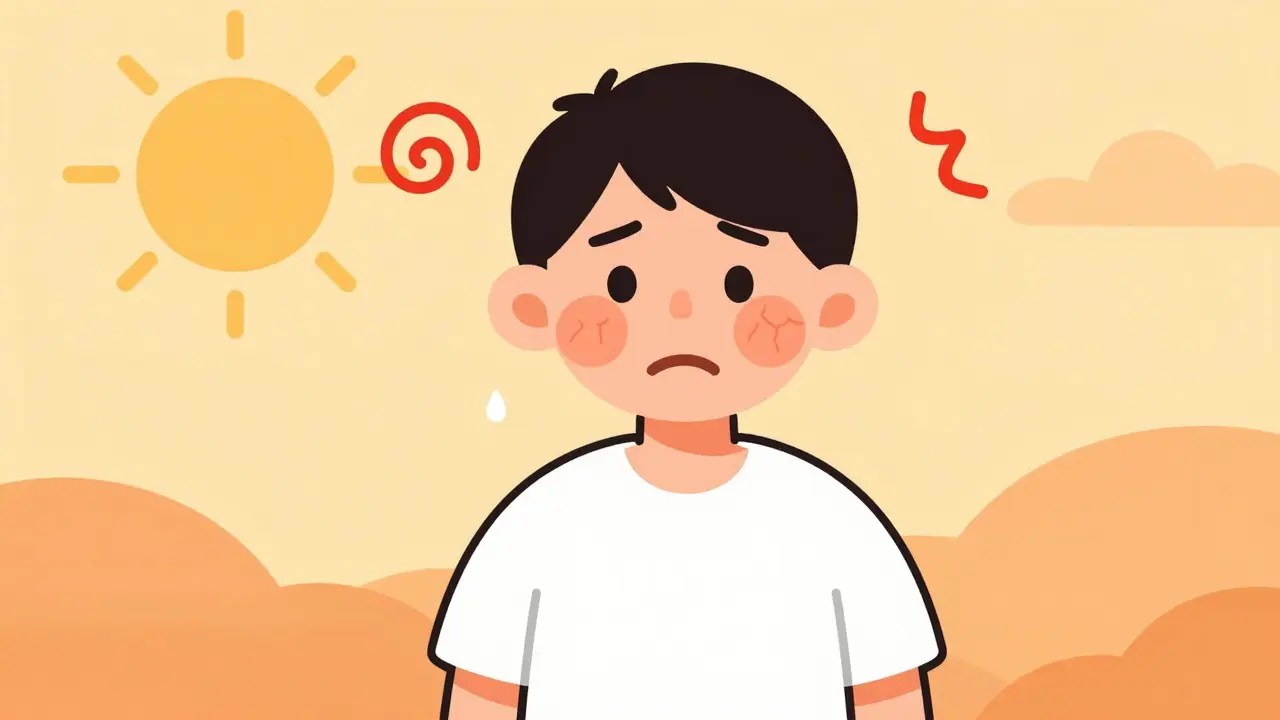
You step outside on a warm afternoon, expecting the usual mild discomfort of summer heat. Instead, you feel dizzy, your skin is flushed but dry, and your heart races as if you’ve just run a marathon. You haven’t moved much, yet your body feels like it’s overheating. This isn’t just bad luck with the weather-it could be your medication.
For millions of people, prescription drugs silently disrupt the body’s natural cooling system. The result? Decreased sweating and severe heat intolerance. According to the Centers for Disease Control and Prevention (CDC), approximately 15% of U.S. adults taking prescription drugs face impaired thermoregulation. During extreme heat events between 2010 and 2022, hospitalizations for heat-related illness jumped by 67% among these individuals. Understanding which medications cause this and how to manage it can mean the difference between a safe summer and a medical emergency.
Why Your Body Can’t Cool Down
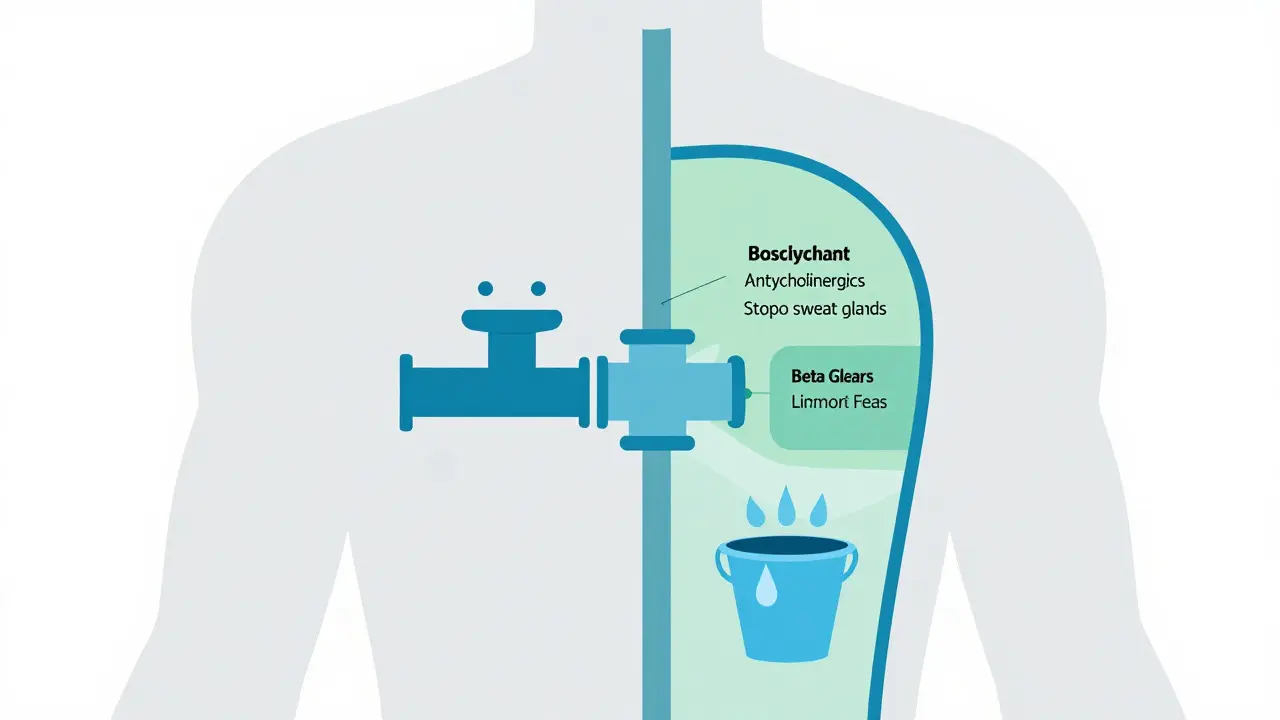
Your body has a sophisticated internal thermostat located in the hypothalamus. When your core temperature rises, this control center triggers two main cooling mechanisms: vasodilation (widening blood vessels near the skin to release heat) and sweating (evaporative cooling). Most medications that cause heat intolerance interfere with one or both of these processes.
Some drugs block the chemical signals that tell sweat glands to activate. Others restrict blood flow to the skin, trapping heat inside your torso. Still others increase your metabolic rate, generating more internal heat while simultaneously making you dehydrated. The danger lies in the silence of these symptoms; you might not realize your cooling system is failing until you develop heat exhaustion or, worse, heat stroke.
The High-Risk Medication Classes
Not all drugs affect your temperature regulation equally. Research published in the Journal of Clinical Medicine in 2024 identified 14 distinct medication classes that pose significant risks. Here are the most common culprits and exactly how they mess with your body’s thermostat.
| Medication Class | Primary Mechanism | Impact on Cooling | Common Examples |
|---|---|---|---|
| Anticholinergics | Blocks acetylcholine receptors needed for sweat gland activation | Reduces sweating capacity by 60-80% | Oxybutynin, Diphenhydramine (Benadryl) |
| Beta Blockers | Decreases cutaneous blood flow, inhibiting heat escape | Reduces skin blood flow by 25-40% | Metoprolol (Toprol XL), Propranolol (Inderal) |
| Thiazide Diuretics | Forces fluid excretion, leading to dehydration | Reduces sweat production by 30-50% | Hydrochlorothiazide (Microzide), Chlorthalidone |
| Stimulants | Increases metabolic rate, generating excess internal heat | Increases metabolic heat by 15-25% | Methylphenidate (Ritalin), Amphetamines (Adderall) |
| GLP-1 Agonists | Suppresses thirst sensation, increasing dehydration risk | Suppresses thirst by 40-50% | Semaglutide (Ozempic, Wegovy) |
| Antipsychotics | Dual mechanism: impairs sweating and disrupts hypothalamic regulation | Reduces sweating by 50-70%; alters temp set-point | Haloperidol, Olanzapine, Risperidone |
Anticholinergics: The Sweat Blockers
If you take medication for overactive bladder, allergies, or certain gastrointestinal issues, you’re likely using an anticholinergic. Drugs like oxybutynin and diphenhydramine work by blocking acetylcholine, a neurotransmitter essential for activating sweat glands. Without this signal, your sweat glands simply shut down. Studies show this can reduce your sweating capacity by up to 80%. Imagine trying to cool a hot engine without any coolant circulation-that’s what happens to your body.
Beta Blockers: The Blood Flow Restrictors
Prescribed for high blood pressure and heart conditions, beta blockers like metoprolol and propranolol slow your heart rate. However, they also prevent blood vessels in your skin from dilating properly. Normally, your body sends warm blood to the surface of your skin to release heat into the air. Beta blockers keep that blood trapped deeper in your body. Dr. Dawn Shill, a pharmacist at the Veterans Affairs Healthcare System, notes that non-selective beta blockers like propranolol can reduce cutaneous blood flow by 35-40%, significantly raising your core temperature even in mild warmth.
Diuretics: The Dehydration Accelerators
Diuretics, particularly thiazides like hydrochlorothiazide, force your kidneys to excrete more water and sodium. While effective for managing blood pressure, they can lead to a daily fluid loss of 1.5 to 2.5 liters beyond normal needs. Dehydration directly reduces the volume of sweat available for evaporation. According to data from Kaiser Permanente, patients on hydrochlorothiazide face a 2.3 times higher risk of heat exhaustion during July-August heat waves compared to those not on diuretics.
Stimulants and GLP-1 Agonists: The Hidden Risks
ADHD medications like Adderall and Ritalin increase your metabolic rate by 15-25%, meaning your body generates more heat internally. Meanwhile, popular weight-loss and diabetes drugs like semaglutide (Ozempic/Wegovy) suppress the thirst sensation by 40-50%. You might need water, but your brain doesn’t send the signal. This combination creates a perfect storm for dehydration and overheating, especially since many users are active outdoors.
Recognizing the Warning Signs
Heat intolerance doesn’t always announce itself with dramatic symptoms. Often, the signs are subtle until they become critical. The Catholic Health System identifies specific indicators that appear within 30 to 90 minutes of heat exposure:
- Headache: Reported in 70% of cases, often throbbing and persistent.
- Dizziness: Occurs in 55% of cases, feeling like lightheadedness or unsteadiness.
- Weakness: General fatigue affecting 60% of sufferers.
- Cramps: Muscle cramping in 65% of cases, typically in legs or abdomen.
- Skin Changes: Flushed skin in 45% of cases, or notably dry skin despite feeling hot.
- Nausea: Vomiting or nausea in 35% of cases, signaling advanced heat stress.
The most alarming sign is the absence of sweating. If you feel hot and your skin is dry, stop all activity immediately. This suggests your body’s primary cooling mechanism has failed.
Managing Heat Intolerance Safely
You don’t necessarily need to stop your medication, but you do need to adapt your behavior. Here are evidence-based strategies to stay safe:
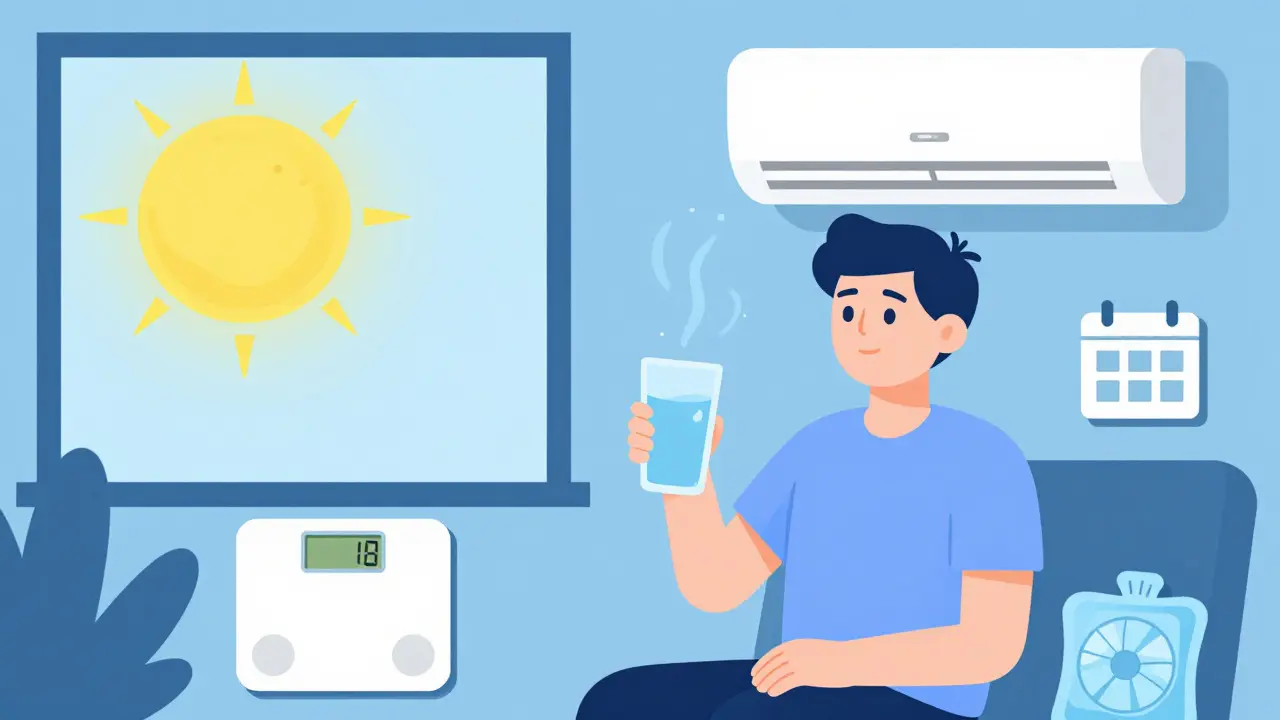
- Hydrate Proactively: Don’t wait until you’re thirsty. The CDC recommends increasing fluid intake by 500-1000mL beyond your normal requirements during heat advisories. For those on diuretics or GLP-1 agonists, set hourly reminders to drink water.
- Monitor Your Weight: Weigh yourself daily in the morning. A loss of more than 2% of your body weight indicates significant fluid depletion. For a 70kg person, that’s 1.4kg (about 3 lbs) of lost water.
- Avoid Peak Heat: Stay indoors between 10 AM and 4 PM. Solar radiation is most intense during these hours, accounting for 70-80% of daily UV exposure. If you must go out, seek shaded areas.
- Use Active Cooling: Air conditioning is non-negotiable when temperatures exceed 32°C (90°F). For those on antipsychotics or anticholinergics, consider wearing a cooling vest. These devices can lower core temperature by 0.5-1.0°C, potentially preventing heat stroke.
- Protect Your Skin: If you take calcium channel blockers, ARBs, or ACE inhibitors, use sunscreen with SPF 30+. These drugs can make your skin more sensitive to sunlight, increasing burn risk and heat absorption.
Special Considerations for Vulnerable Groups
Age and polypharmacy play massive roles in heat risk. Adults over 65 naturally have reduced sweating capacity and less efficient thermoregulation. When combined with multiple medications, the risk skyrockets. The American Geriatrics Society reports that taking five or more medications increases heat stroke risk by 300% compared to younger, healthier individuals.
Lithium requires special attention. As a mood stabilizer, lithium has a narrow therapeutic index. Dehydration causes lithium concentrations in the blood to spike by 25-35%. During heat waves above 29°C (85°F), this can quickly lead to lithium toxicity, causing tremors, confusion, and kidney damage. Patients on lithium must monitor serum levels closely during hot weather.
Looking Ahead: Climate Change and Medication Safety
As global temperatures rise, the window for safe outdoor activity shrinks. 2023 was the hottest year on record, sitting 1.18°C above 20th-century averages. The Lancet Countdown on Health and Climate Change projects a 40-60% increase in heat-related medication complications by 2050. Healthcare systems are adapting; Epic Systems now includes automatic heat-risk alerts for 14 high-risk medication classes in electronic health records during summer months.
Stay informed. Ask your doctor or pharmacist specifically about heat sensitivity when starting new prescriptions. Knowing your risk allows you to plan ahead, ensuring that your medication manages your condition without compromising your safety in the heat.
Can I stop my medication if I experience heat intolerance?
Never stop prescribed medication abruptly without consulting your doctor. Suddenly stopping beta blockers, antidepressants, or antipsychotics can cause severe withdrawal symptoms or rebound effects. Instead, discuss alternative medications with similar efficacy but lower heat risk, or adjust dosing times to avoid peak heat exposure.
Which medications are safest to take in hot weather?
Generally, SSRIs like fluoxetine and sertraline have less impact on thermoregulation than tricyclic antidepressants or anticholinergics. Among blood pressure meds, ACE inhibitors may pose slightly less risk than diuretics regarding dehydration, though individual responses vary. Always consult your healthcare provider for personalized advice based on your medical history.
How does alcohol interact with heat-affecting medications?
Alcohol is a diuretic and expands blood vessels, which can worsen dehydration caused by medications like thiazide diuretics. It also impairs judgment, making you less likely to recognize early signs of heat exhaustion. Combining alcohol with sedating antihistamines or antipsychotics further increases the risk of overheating and falls due to dizziness.
What should I do if I suspect heat stroke?
Heat stroke is a medical emergency. Call emergency services immediately. Move the person to a cool place, remove excess clothing, and apply cold water or ice packs to the neck, armpits, and groin. Do not give fluids if the person is unconscious or vomiting. Untreated heat stroke has a mortality rate of 10-65%.
Do children face the same risks as adults?
Children generally sweat less efficiently than adults, but they are rarely prescribed the high-risk medications listed here (like antipsychotics or complex cardiac drugs). However, children taking ADHD stimulants or allergy medications with anticholinergic properties are at elevated risk. Parents should ensure extra hydration and shade for active children on these medications.
 Medications