

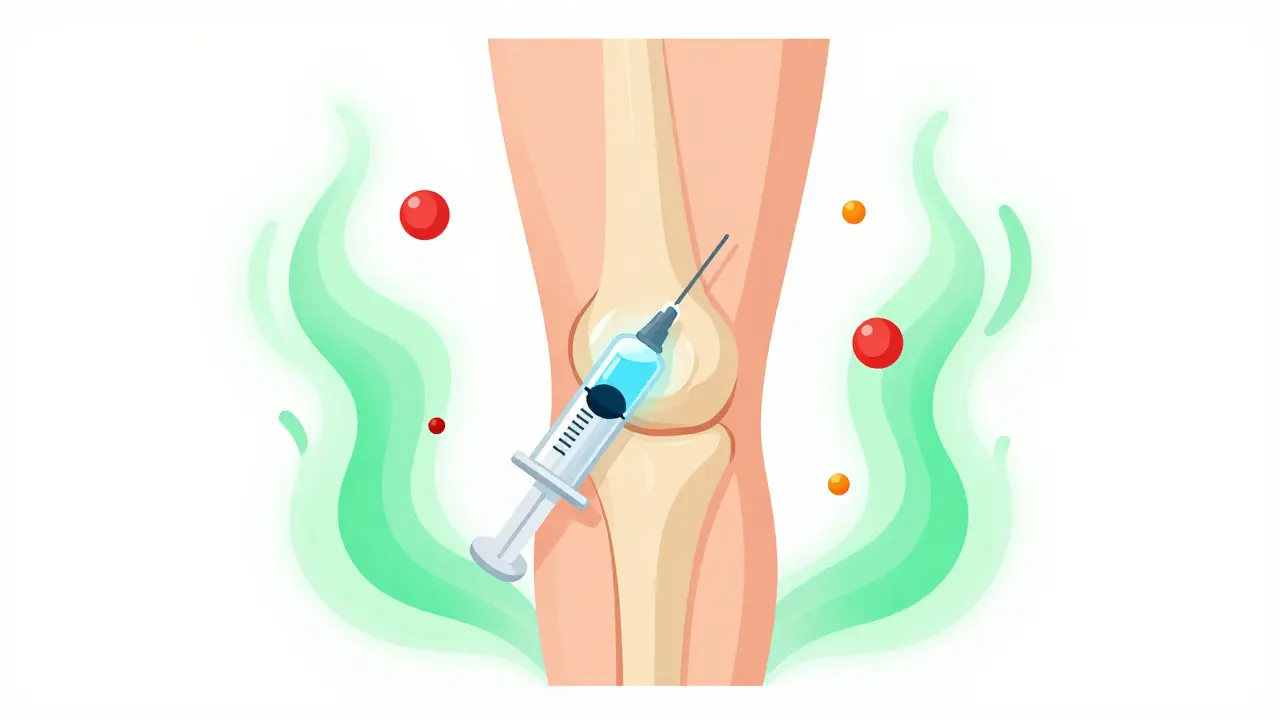
When your knee swells up after a long walk, or your shoulder aches so badly you can’t lift your coffee mug, corticosteroid injections might come up in conversation. They’re not a cure. But for many people, they’re the fastest way to get back to daily life without pain. If you’ve been told you need one, you probably have questions: Will it help? How long will it last? Is it safe? This isn’t about hype or quick fixes. It’s about what actually happens when a doctor puts a cortisone shot into your joint-and what you should expect after.
How Corticosteroid Injections Work
Corticosteroid injections, often called cortisone shots, are synthetic versions of cortisol, a hormone your body naturally makes to control inflammation. In the 1940s, doctors discovered injecting this hormone directly into inflamed joints could calm pain almost overnight. Today, they’re used for everything from arthritis flares to tennis elbow.
Here’s the science behind it: When you have joint inflammation, your body releases chemicals like interleukin-6 and tumor necrosis factor-alpha that make nerves fire pain signals. Corticosteroids block those signals at the source. They don’t just numb the area like a local anesthetic-they shut down the entire inflammatory process. They reduce swelling, stop fluid buildup in the joint, and calm overactive immune cells. That’s why pain often drops within 24 to 72 hours, even when other treatments like rest or ibuprofen haven’t worked.
The injection usually contains two things: a corticosteroid (like triamcinolone or methylprednisolone) and a numbing agent like lidocaine. The numbing agent gives you immediate relief, but it wears off in a few hours. The real work happens after that, when the steroid starts reducing inflammation over the next few days.
What Conditions Do They Treat?
Not all joint pain is the same. Corticosteroid injections work best when the pain comes from inflammation-not from worn-out cartilage or torn ligaments.
- Acute gout flares: One shot can stop a painful attack in its tracks.
- Bursitis: Especially in the hip or shoulder, where fluid-filled sacs become inflamed.
- Tendinitis: Like tennis elbow or Achilles tendinitis, where tendons get irritated.
- Rheumatoid arthritis: For sudden flare-ups in fingers, wrists, or knees.
- Osteoarthritis: Only for short-term relief during bad flare-ups-not as a regular treatment.
They’re less effective-or even risky-for joints with advanced degeneration. If your X-ray shows bone rubbing on bone, a cortisone shot won’t rebuild cartilage. It might even speed up the damage.
How Long Does the Relief Last?
Here’s the truth: most people get relief for 2 to 4 weeks. Some get 8 to 12 weeks. A few get nothing at all.
A 2023 review of 15 studies found that corticosteroid injections provided better pain relief than saline (salt water) shots for up to 6 weeks. After that, there’s no difference. That means if you’re hoping for a permanent fix, you’ll be disappointed.
One study tracked patients with knee osteoarthritis who got injections every 3 months for two years. Those who got repeated shots had 3.2 times higher risk of cartilage loss compared to those who didn’t. The newer extended-release version, Zilretta, lasts longer-up to 12 weeks in nearly half of users-but it’s not a magic bullet. It still doesn’t stop the underlying joint breakdown.
Real-world feedback from over 1,200 patients shows a pattern: the first injection often brings 8 weeks of relief. The second, maybe 6. The third? Sometimes only 3, or even a flare-up that lasts a few days. That’s called diminishing returns-and it’s common.
How Many Can You Get?
Doctors don’t give these shots freely. There’s a limit.
The American College of Rheumatology recommends no more than 3 to 4 injections per joint per year. Why? Because repeated exposure weakens tendons, cartilage, and bone. A 2023 study found patients who got a cortisone shot within 3 months of knee or hip replacement had more than double the risk of post-surgery infection. That’s not a small risk.
Some doctors say every 3 months is safe. Others say even that’s too much. The truth? It depends on your joint, your age, your activity level, and whether you have diabetes or osteoporosis. If you’ve had two good shots and your pain is back, physical therapy or weight loss might be smarter than a third shot.
Side Effects and Risks
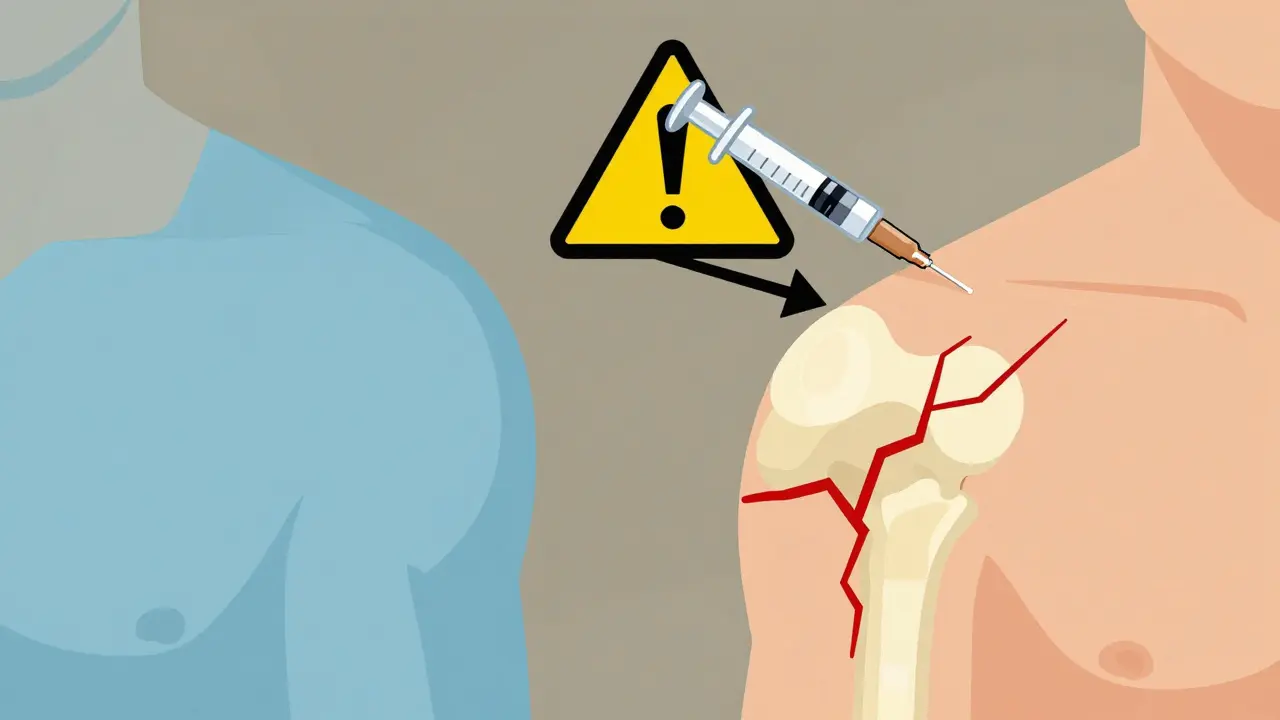
Most people tolerate cortisone shots well. But they’re not harmless.
- Post-injection flare: About 1 in 20 people get a short-term spike in pain and swelling 24 to 48 hours after the shot. It’s not an infection-it’s the crystals in the steroid irritating the joint. Ice and ibuprofen usually fix it.
- Skin thinning or lightening: Especially if the shot is near the surface, like in the hand or ankle. You might notice a pale spot where the needle went in.
- Blood sugar spikes: Diabetics need to check their levels for 72 hours after the shot. Steroids can make insulin less effective.
- Tendon rupture: Rare, but serious. It’s more likely if you keep using the joint too soon after the shot, or if you’ve had multiple injections over time.
- Accelerated joint damage: Repeated use in arthritic joints may speed up cartilage loss. This is why guidelines now warn against using them for end-stage osteoarthritis.
These risks aren’t scare tactics. They’re documented in peer-reviewed studies and FDA warnings updated in 2021. That’s why doctors now ask: "Is this shot helping you function better, or just masking pain?"
Who Should Avoid Them?
Not everyone is a candidate.
- People with active infections: Injecting steroids into an infected joint can spread the infection.
- Diabetics with poor control: Steroids can make blood sugar spike dangerously.
- People with bleeding disorders: Or those on blood thinners without stopping them first.
- Those with advanced osteoarthritis: If your joint is bone-on-bone, cortisone won’t help long-term-and may hurt.
- People planning joint replacement surgery soon: Avoid injections within 3 months of surgery.
If you’ve had a bad reaction before-like a flare-up or skin change-it’s probably not worth trying again.
Ultrasound Guidance: Is It Worth It?
Many clinics still give these shots "blind," meaning the doctor guesses where the joint is based on landmarks. But joints aren’t always in the same place.
Studies show ultrasound guidance increases accuracy from 70% to 95%. That means more medicine reaches the right spot, less gets wasted, and you’re less likely to get a failed injection or accidental tendon damage.
It’s not always covered by insurance, and not every doctor has the training. But if you’ve had a failed injection before-or you’re getting one in a small joint like the wrist or ankle-it’s worth asking for. The difference between a good shot and a bad one often comes down to precision.
Cost and Alternatives
Without insurance, a corticosteroid injection costs $100 to $300. That’s cheaper than PRP ($500-$1,500) or hyaluronic acid (viscosupplementation) shots ($500-$1,000). But cost isn’t the whole story.
PRP and stem cell therapies are trendy, but they don’t work faster. They might help longer-but the evidence is still shaky. Corticosteroids win on speed. PRP wins on potential long-term benefit. But if you need to play golf next weekend, cortisone is still the go-to.
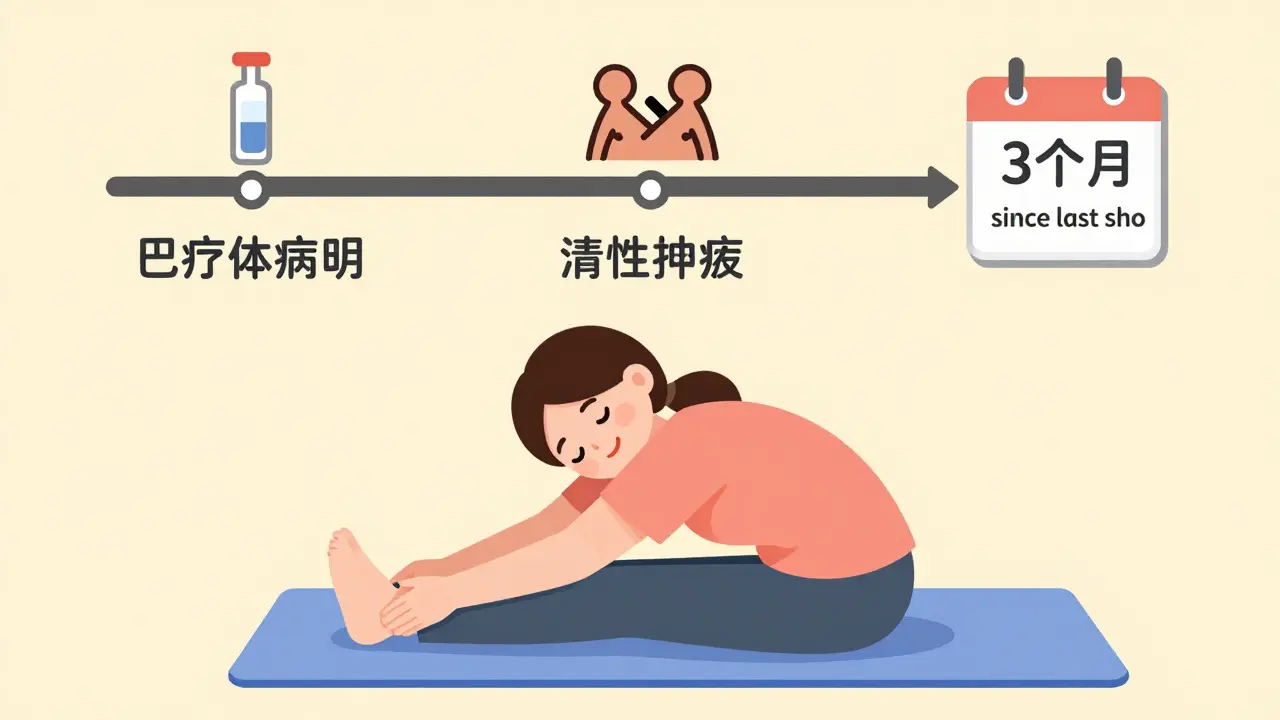
For chronic pain, physical therapy, weight loss, or braces might be better long-term solutions. One patient from the Arthritis Foundation forum got back to competitive golf 10 days after a hip bursitis shot-but she also started daily stretches and lost 15 pounds. That’s what kept her pain away for months.
What to Do After the Shot
Don’t rush back to the gym or your 10K run. Even if you feel fine, your joint is still healing.
- Rest the joint for 48 hours.
- Use ice if you feel swelling.
- Take over-the-counter pain relievers if needed-but avoid NSAIDs for the first 24 hours if you’re at risk of bleeding.
- Monitor your blood sugar if you’re diabetic.
- Watch for signs of infection: redness, warmth, fever, pus.
And don’t assume the shot means your problem is solved. It’s a pause button, not an off switch. If the pain comes back in 4 weeks, it’s time to rethink your plan-not just get another shot.
Bottom Line: When Cortisone Shots Make Sense
Corticosteroid injections aren’t bad. They’re not magic. They’re tools.
They work best when:
- Your pain is from inflammation, not wear and tear.
- You need quick relief to get through a flare-up.
- You’ve tried rest, ice, and physical therapy without success.
- You’re getting them infrequently-no more than 3 times a year per joint.
- You’re not planning surgery soon.
They don’t work when:
- You’re hoping for a permanent fix.
- You’ve had multiple shots already and they’re losing effect.
- Your joint is severely damaged.
- You’re ignoring the root cause-like poor posture, overuse, or obesity.
If you’re considering one, ask your doctor: "What’s the goal? How many have I had before? What’s next if this doesn’t work?" That’s how you turn a shot into a smart decision-not a cycle of dependency.
How long does a cortisone shot last in a joint?
Most people get relief for 2 to 4 weeks. Some may feel better for up to 12 weeks, especially with newer extended-release formulations like Zilretta. But after 6 weeks, studies show no significant difference compared to placebo. The effect isn’t permanent-it’s temporary suppression of inflammation.
Can cortisone shots damage your joint?
Yes, with repeated use. Studies show that frequent injections-especially more than 3-4 per year-can accelerate cartilage breakdown and weaken tendons. The FDA added warnings in 2021 about risks like osteonecrosis, tendon rupture, and faster progression of osteoarthritis. That’s why guidelines now limit use, especially in joints with advanced degeneration.
Do cortisone shots work for arthritis?
They can help with flare-ups of rheumatoid arthritis or osteoarthritis by reducing inflammation and pain. But they don’t fix the underlying joint damage. For end-stage osteoarthritis, major medical groups now recommend against regular use because studies show no long-term benefit and possible harm. They’re best for short-term relief during bad flares, not ongoing treatment.
Why does my joint hurt more after a cortisone shot?
Some people experience a temporary flare-up 24 to 72 hours after the injection. This is caused by the crystalline form of the steroid irritating the joint. It’s not an infection-it’s a reaction. Ice, rest, and non-steroidal anti-inflammatories usually help within a few days. If pain lasts longer than 3 days or gets worse, contact your doctor.
Can I get cortisone shots every month?
No. Most guidelines recommend no more than 3 to 4 injections per joint per year. Monthly shots increase the risk of tissue damage, including tendon rupture and cartilage loss. If you need relief every month, it’s a sign your condition needs a different approach-like physical therapy, weight management, or surgical evaluation.
Are cortisone shots better than PRP or stem cell therapy?
Corticosteroids work faster and are cheaper, but PRP and stem cell therapies aim for longer-term healing. Evidence shows cortisone gives better short-term pain relief (1-4 weeks), while PRP may offer more lasting benefit beyond 3 months-but the data isn’t strong enough to say it’s consistently better. For acute flare-ups, cortisone wins. For long-term joint health, PRP or lifestyle changes may be smarter choices.
If you’ve had one or two cortisone shots and they helped, great. But if you’re thinking about a third, ask yourself: Am I treating the pain-or the problem? The best outcomes come when injections are part of a plan-not the whole plan.
 Medications


Katelyn Slack
January 6, 2026 AT 07:02Harshit Kansal
January 6, 2026 AT 13:10Vinayak Naik
January 6, 2026 AT 15:28Kiran Plaha
January 7, 2026 AT 00:31Matt Beck
January 7, 2026 AT 17:41Susan Arlene
January 7, 2026 AT 19:14Ashley S
January 8, 2026 AT 04:20Jeane Hendrix
January 9, 2026 AT 21:36Brian Anaz
January 10, 2026 AT 16:17Cam Jane
January 11, 2026 AT 11:57Stuart Shield
January 12, 2026 AT 10:38Amy Le
January 13, 2026 AT 03:08