

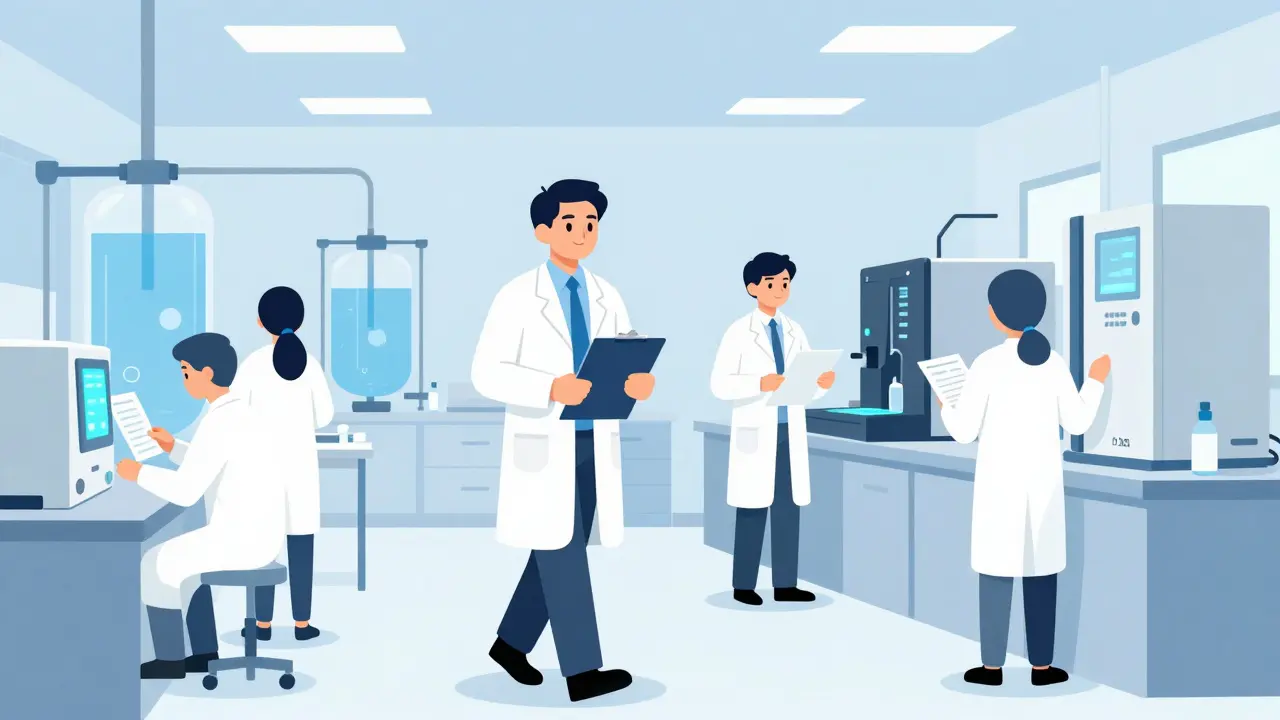
When the FDA shows up at your generic drug manufacturing facility, it’s not a surprise visit-it’s a routine check. But that doesn’t mean you can wing it. The inspection process is precise, thorough, and designed to make sure every pill, capsule, or injection you produce is safe, effective, and made the way it was approved. If you’re preparing for one, here’s what actually happens behind the scenes.
Why the FDA Inspects Generic Drug Factories
The FDA doesn’t inspect generic drug facilities because they don’t trust manufacturers. They do it because the law requires it. Under 21 CFR Part 211, every facility making drugs for the U.S. market must follow Current Good Manufacturing Practices (CGMP). These aren’t suggestions. They’re legal standards. The FDA’s job is to verify that you’re following them-not just on paper, but in practice.
More than 90% of inspections find facilities in compliance. That sounds reassuring, but it also means the bar is high. The FDA doesn’t just look at whether you have SOPs. They check if you’re following them consistently, day after day, shift after shift.
The Four Types of FDA Inspections
Not all inspections are the same. The FDA uses four main types:
- Pre-Approval Inspections (PAIs): These happen before a generic drug gets approved. The FDA wants to confirm that your facility can actually produce the drug exactly as described in your application. They’ll compare your equipment, processes, and lab methods to what you submitted. If your stability samples aren’t stored where you said they’d be? That’s a red flag.
- Routine Surveillance Inspections: These happen every 1-2 years, based on risk. Facilities with past issues, high-risk products, or unusual complaint patterns get checked more often. The FDA uses a multi-criteria model to decide who gets inspected next-not random, not biased, but data-driven.
- For-Cause Inspections: Triggered by specific intel: a whistleblower tip, a spike in adverse events, or a consumer complaint. These are intense. Investigators zero in on the problem area but still evaluate your entire quality system.
- Follow-Up Inspections: After a warning letter or an unacceptable finding, the FDA comes back to see if you fixed what went wrong. No second chances.
What the FDA Investigator Looks At: The 6-System Approach
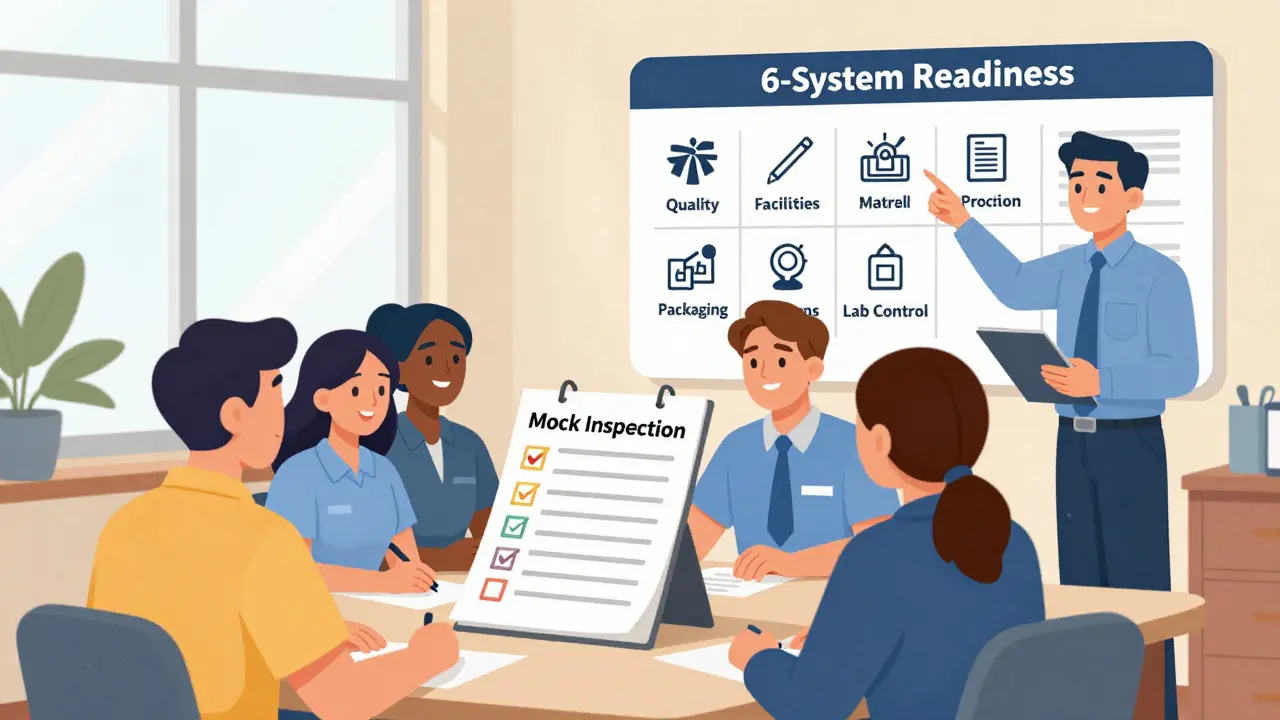
FDA inspectors don’t wander around randomly. They follow a structured method called the 6-System Approach. Every inspection includes the Quality System-and at least two others. Here’s what they check:
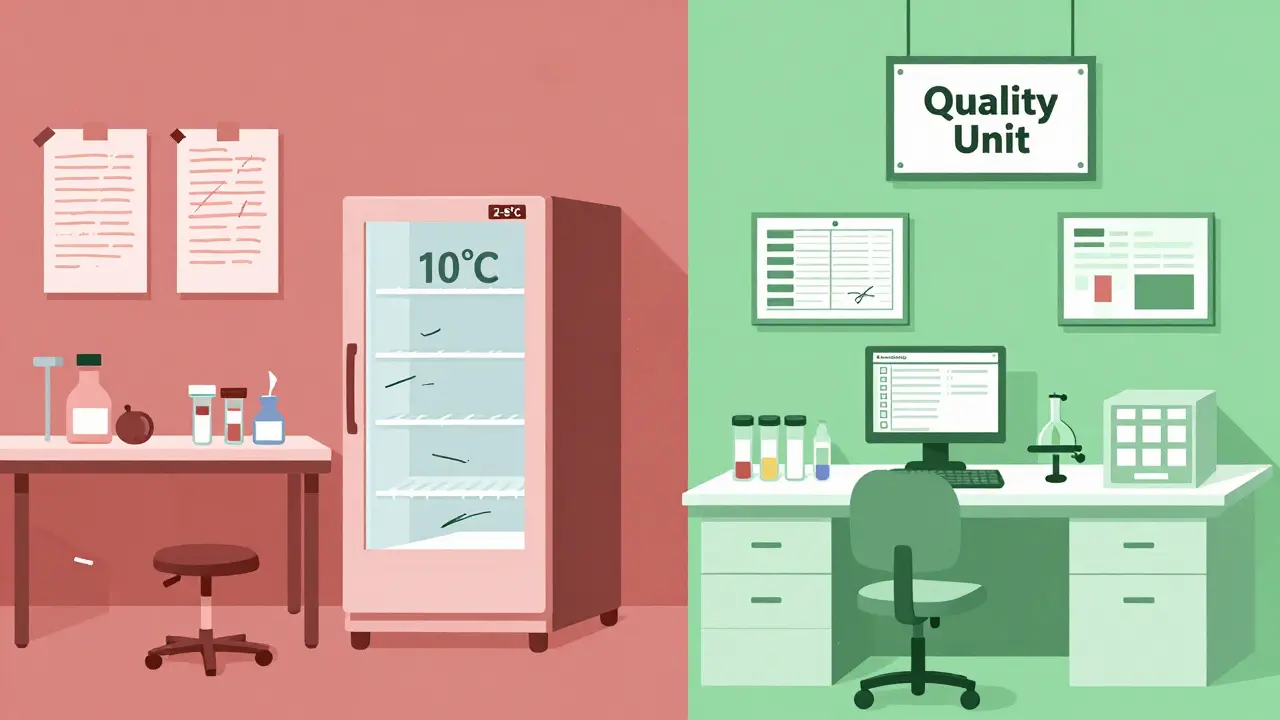
- Quality System: Always inspected. This is the backbone. They’ll dig into your quality unit’s independence, how deviations are handled, how CAPAs are tracked, and whether your quality team has real authority. If your quality unit reports to production? That’s a problem. It needs to be separate.
- Facilities & Equipment: Are your cleanrooms properly maintained? Is your water system validated? Are your equipment logs up to date? They’ll walk through your HVAC, water purification, and sterilization areas. No shortcuts.
- Materials: Where do your raw materials come from? Who approved your suppliers? Do you have certificates of analysis for every batch? They’ll pull records from your vendor qualification program and check if your incoming material testing matches your specifications.
- Production: Are your processes validated? Do you have batch records that show every step was followed? If your mixing time is 30 minutes, but the record says 25? That’s a deviation. And if you don’t document it properly? That’s a bigger issue.
- Packaging & Labeling: One wrong label can lead to a recall. They’ll check your labeling control system. Are your labels stored securely? Are you verifying barcode accuracy? Do you have procedures to prevent mix-ups between similar-looking products?
- Laboratory Control: This is where data integrity comes in. They’ll review your analytical methods. Are your HPLC results traceable? Are your reference standards properly stored and dated? Are your lab notebooks signed, dated, and never erased? If you see a correction fluid on a page? That’s a violation.
What Happens During the Inspection
On day one, the inspector will ask for your facility’s master file and list of products. Then they’ll tour the facility. You’ll walk them through every critical area: raw material storage, production lines, QC labs, packaging, and finished goods warehouse.
They’ll ask to see:
- Batch production records for the last 3-6 months
- Validation reports for your major processes
- Equipment qualification records (IQ/OQ/PQ)
- Stability study data and storage logs
- Deviation reports and CAPA logs
- Training records for key personnel
- Supplier approval and audit records
They might ask you to run a test live. Or pull a sample from a shelf and show how you track it. They’ll check if your records match reality. If your SOP says samples are stored at 2-8°C, but the fridge reads 10°C? That’s an observation.
The FDA 483: What It Means
If they find something wrong, they’ll issue a Form FDA 483. This isn’t a citation. It’s a list of observations. Each one references a specific regulation-like 21 CFR 211.22(a) for lack of quality unit authority, or 21 CFR 211.194 for missing test data.
Observations are listed in order of severity. The first one is usually the biggest concern. You have 15 business days to respond. Your response must be detailed: what happened, why it happened, and how you’ll fix it. A vague reply like “we’ll improve” won’t cut it. You need root cause analysis, timelines, and proof you’ve trained staff.
Failure to respond properly can lead to a warning letter. And once that’s issued, your product can’t be approved or imported until the FDA is satisfied.
How to Prepare-Beyond the Basics
Most companies think preparation means cleaning up the facility and reviewing SOPs. That’s table stakes. Real preparation means creating a state of control-a culture where everything runs the way it should, every day.
Here’s what top-performing facilities do:
- Run mock inspections. Bring in an outside auditor every quarter. Don’t tell staff it’s a drill. See what they catch.
- Map your inspection route. Plan a tour that shows your strengths-not your weakest areas. Make sure the inspector sees your QC lab, your validation records, and your training logs before they see the warehouse.
- Designate a lead contact. One person. Not three. Not five. One. They should know every process, every regulation, and every document location.
- Train everyone. The janitor who cleans the lab needs to know why they can’t use a rag that’s been used elsewhere. The person who signs off on batch records needs to know what happens if they don’t.
- Use the PreCheck program. Launched in 2024, this lets you submit facility plans to the FDA before you build or modify anything. They’ll give you feedback. It’s free. It’s proactive. And it reduces surprises later.
What the FDA Doesn’t Tell You
The FDA isn’t trying to shut you down. They want you to make safe drugs. But they’re also under pressure to protect the public. That’s why they’ve ramped up focus on data integrity and quality culture.
Investigators are trained to spot patterns: repeated deviations, unexplained delays in CAPAs, missing training records, or handwritten notes that don’t match electronic logs. They’re looking for a story. If your records tell a story of chaos, they’ll write a warning letter. If they tell a story of control, you’ll walk away with an “acceptable” rating.
And here’s the truth: the most successful facilities aren’t the ones with the biggest budgets-they’re the ones with the clearest processes and the most consistent execution.
What Happens After the Inspection
After the inspector leaves, they write an Establishment Inspection Report (EIR). This document becomes part of your facility’s permanent record. If it’s “acceptable,” you’re cleared. If it’s “unacceptable,” you’ll get a warning letter, and your product won’t be approved until you fix it.
The FDA also offers post-warning letter meetings (PWLMs), finalized in June 2025. This is your chance to sit down with regulators, explain your corrective actions, and get feedback before they decide on enforcement. It’s not guaranteed-but if you’ve done the work, it’s worth asking for.
Final Thought: Stay Ready, Not Just Prepared
You can’t prepare for an FDA inspection. You can only live it. The best facilities don’t have inspection teams. They have quality teams. They don’t wait for a notice. They audit themselves. They fix things before they’re found. And when the FDA walks in, they don’t see a facility trying to impress. They see a facility that’s always been in control.
What happens if I don’t respond to an FDA 483 within 15 days?
If you don’t respond within 15 business days, the FDA may issue a warning letter without further notice. A warning letter means your product can’t be imported or approved until you resolve the issues. The FDA will review your response, but if you’re silent, they assume you’re not taking the findings seriously. This can delay approvals for months-or block them entirely.
Can the FDA inspect my facility without notice?
Yes. While routine inspections are often scheduled, the FDA can conduct unannounced inspections at any time, especially if there’s a risk to public health, a complaint, or a history of non-compliance. Facilities should always operate as if an inspection could happen tomorrow.
What’s the difference between a 483 and a warning letter?
A Form FDA 483 is a list of observations-potential issues the inspector noticed. It’s not a violation. A warning letter is a formal regulatory action that says the FDA believes you’re in violation of the law. It’s public, legally binding, and can stop you from shipping product until you fix the problems. A 483 is a heads-up. A warning letter is a red flag.
How often does the FDA inspect generic drug facilities?
Most facilities are inspected every 1-2 years. But risk determines frequency. Facilities with past violations, high-risk products, or new manufacturing lines may be inspected annually-or even more often. Facilities with consistent compliance records may go longer between inspections, but they’re never exempt.
Does the FDA inspect foreign facilities the same way as U.S. ones?
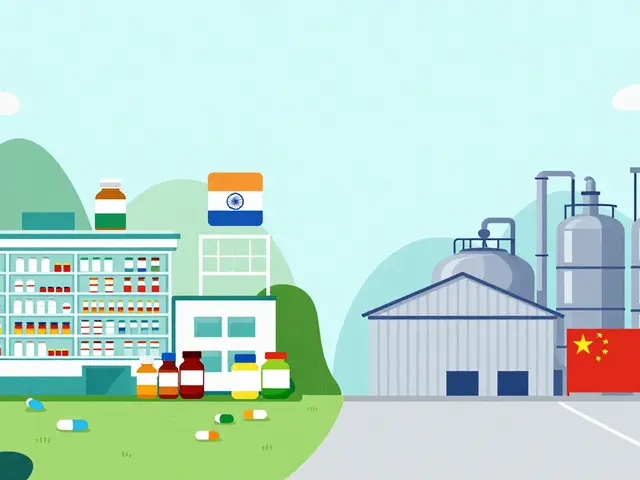
Yes. The FDA inspects foreign facilities using the same CGMP standards and 6-system approach as U.S. sites. In fact, over half of generic drug manufacturing occurs outside the U.S., and the FDA has increased inspections overseas. They don’t give foreign facilities special treatment-only consistent enforcement.
 Medications

phyllis bourassa
March 6, 2026 AT 06:47Aaron Pace
March 6, 2026 AT 19:15Joey Pearson
March 8, 2026 AT 08:46Roland Silber
March 10, 2026 AT 01:26Patrick Jackson
March 11, 2026 AT 13:25Pranay Roy
March 12, 2026 AT 14:07Joe Prism
March 12, 2026 AT 15:17Jeff Mirisola
March 12, 2026 AT 16:33Ian Kiplagat
March 12, 2026 AT 22:23Amina Aminkhuslen
March 13, 2026 AT 17:55amber carrillo
March 13, 2026 AT 23:47