

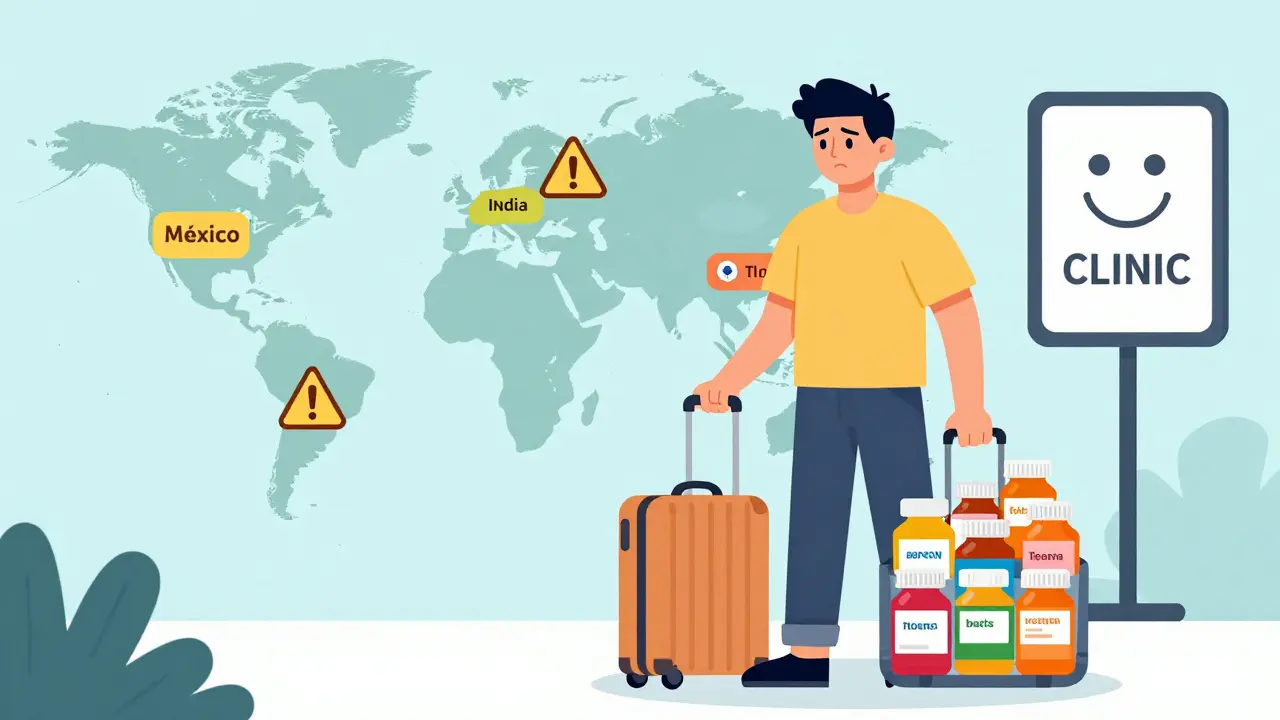
Every year, over 14 million people leave their home countries to get medical care elsewhere. Some go for cheaper heart surgery. Others chase faster access to cancer treatments or cosmetic procedures. But behind the savings and the glossy brochures, there’s a quiet danger most travelers never think about: medication safety.
Why Medication Safety Is the Hidden Risk in Medical Tourism
You book your flight to Thailand for a knee replacement. You pick a JCI-accredited hospital. You save 60% compared to the U.S. price. Everything seems perfect-until you get home and your local pharmacist can’t fill your prescription. That’s not a rare scenario. It happens to nearly one in four medical tourists, according to DelveInsight. The problem isn’t always the surgery. It’s what comes after: the pills you’re sent home with. Different countries have different rules about what drugs are allowed, how strong they can be, and whether they’re even approved at all. A painkiller you get in Mexico might be banned in Australia. An antibiotic prescribed in India might not exist under that name in Canada. And if you’re taking supplements or herbal remedies as part of a "wellness package," those aren’t regulated the same way as prescription drugs-meaning you could be mixing something dangerous without knowing it. The World Health Organization estimates that 1 in 10 medical products in low- and middle-income countries are substandard or fake. That’s not just a rumor. It’s a documented risk. And if you’re getting treatment in a country with weak pharmaceutical oversight, you’re playing Russian roulette with your meds.Where the Risks Are Highest-and Where They’re Lower
Not all medical tourism destinations are equal when it comes to medication safety. Lower-risk destinations: Countries like Turkey, South Korea, and Thailand have made big investments in aligning their pharmaceutical standards with international norms. Turkey follows EU regulations. South Korea’s Severance Hospital uses AI to tailor cancer drugs to your genes. Thailand has over 100 JCI-accredited hospitals, which means stricter controls on how drugs are stored, labeled, and dispensed. Higher-risk destinations: Places where regulations are looser-or poorly enforced-pose bigger dangers. That includes some clinics in Latin America, parts of Southeast Asia, and Eastern Europe, where counterfeit drugs are more common and prescriptions may not match what’s actually in the bottle. Even if the hospital looks clean and modern, the pill you’re given might not be what it claims to be. And here’s the twist: some patients deliberately seek out unapproved drugs. Grand View Research notes that access to "breakthrough medicines" is a major draw for medical tourists. That sounds exciting-until you realize those drugs might be experimental, untested in your body, or illegal to bring back home. You could be walking out of a clinic with a vial that customs will seize-or worse, one that causes liver damage months later.What You’re Probably Not Told About Post-Treatment Meds
Most medical tourism agencies focus on the procedure. They show you before-and-after photos. They list your surgeon’s credentials. But they rarely explain what happens after you land back home. Let’s say you had a hip replacement in India and were given a strong anti-inflammatory and a blood thinner. Back in Australia, your GP looks up those drugs and finds they’re not on the approved list here. Or worse-they interact dangerously with your existing meds for high blood pressure. You’re stuck. Your doctor doesn’t know the dosage you were on. The pharmacy can’t substitute it. And if you try to refill the prescription from abroad, you’re breaking import laws. This isn’t hypothetical. It’s a daily challenge for pharmacists who treat returning medical tourists. The solution? Medication reconciliation-a process where your home doctor reviews every drug you took abroad and maps it to something safe and legal at home. But only 12% of medical tourists do this before leaving. Most assume their home doctor will figure it out. They won’t.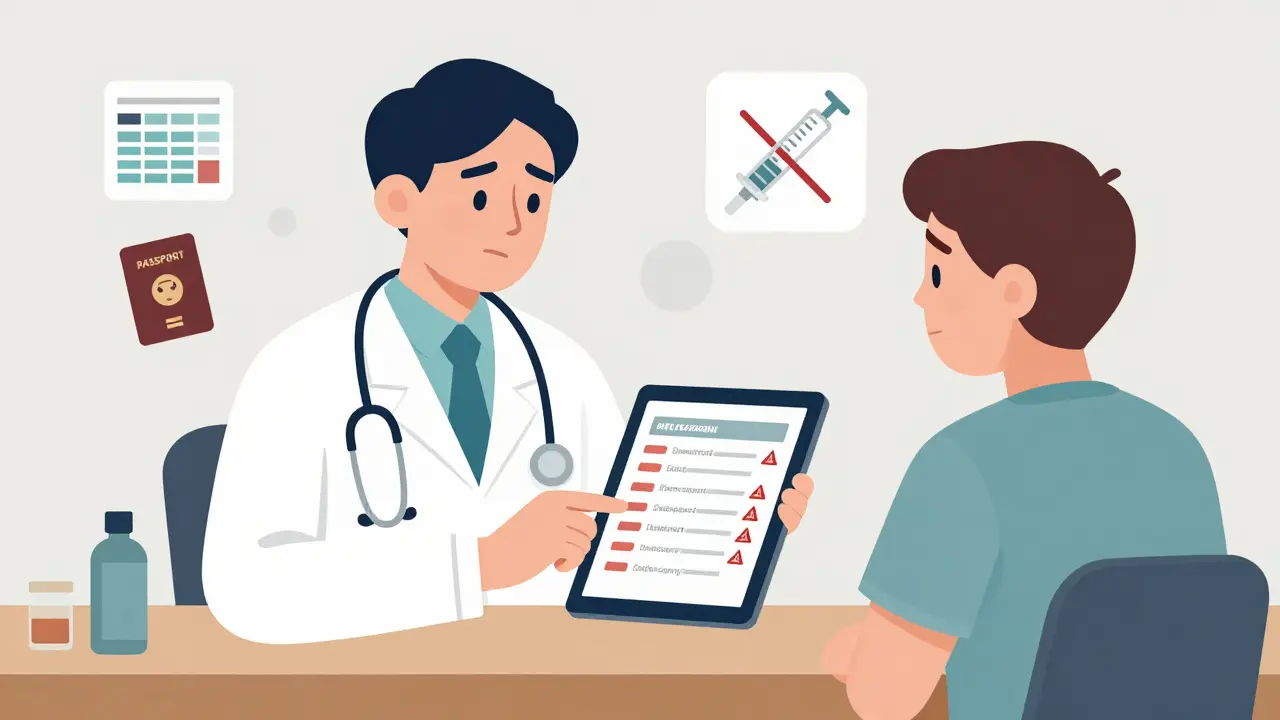
How to Protect Yourself Before You Fly
You don’t have to avoid medical tourism. But you do need to treat medication safety like a non-negotiable part of your plan.- Ask for a full drug list-not just the names, but the active ingredients, dosages, and manufacturer. Get it in writing, preferably with the original packaging photos.
- Consult your doctor before you go. Bring the list of planned procedures and medications. Ask: "Which of these drugs are approved here? Which ones could interact with my current meds?"
- Verify the hospital’s pharmacy standards. Don’t just accept "JCI-accredited" as enough. Ask: "Do you source all medications from WHO-GMP certified suppliers?" If they hesitate, walk away.
- Bring your own meds. If you’re on chronic medication, bring enough for the entire trip and a few weeks after. Don’t rely on getting refills abroad.
- Use digital health records. More clinics now offer secure portals where you can download your full medical file, including prescriptions. Get it before you leave. Share it with your home doctor.
The Rise of Wellness Tourism-and Why It’s Riskier Than You Think
Medical tourism isn’t just about surgeries anymore. It’s also about "wellness retreats"-detox programs, stem cell injections, IV vitamin drips, and unregulated hormone therapies. These services are booming. DelveInsight calls them a "key growth driver." But they’re also the most dangerous when it comes to medication safety. Why? Because they’re often sold as "natural" or "alternative," so they fly under the radar of regulators. A clinic in Mexico might offer "stem cell therapy" for arthritis. The cells? Sourced from an unlicensed lab. The injection? Mixed with an unapproved anti-inflammatory. The result? A patient ends up with a severe infection or an autoimmune reaction. Even supplements sold in these places can be toxic. One 2023 case in Australia involved a woman who returned from a Bali wellness retreat with liver failure. The cause? A "detox tea" laced with undisclosed prescription diuretics. If it sounds too good to be true-like "cure your diabetes in 7 days"-it probably is. And the meds involved? They’re not worth the risk.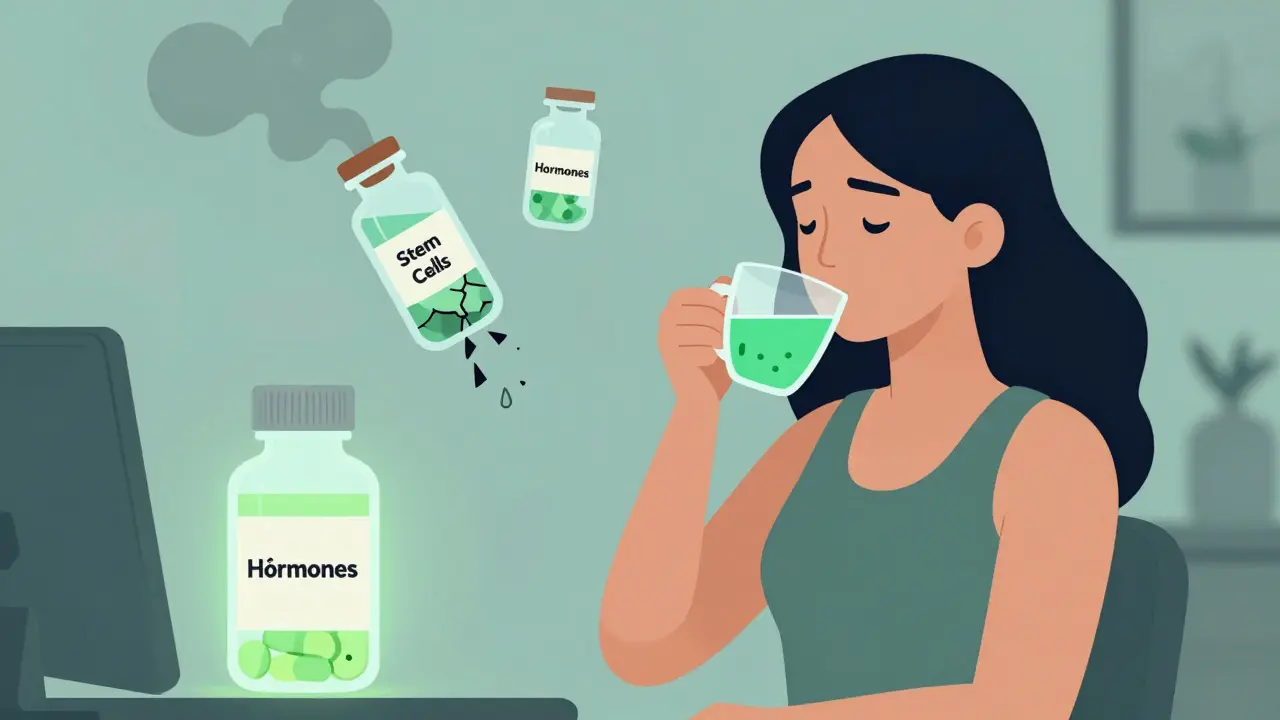
 Medications
Sangeeta Isaac
January 19, 2026 AT 17:27Jarrod Flesch
January 21, 2026 AT 10:15MAHENDRA MEGHWAL
January 22, 2026 AT 18:36Amber Lane
January 23, 2026 AT 14:31Stephen Rock
January 23, 2026 AT 16:24michelle Brownsea
January 25, 2026 AT 11:02Samuel Mendoza
January 26, 2026 AT 00:30Glenda Marínez Granados
January 26, 2026 AT 07:20Steve Hesketh
January 26, 2026 AT 09:42Yuri Hyuga
January 27, 2026 AT 16:32Kelly McRainey Moore
January 29, 2026 AT 03:17Coral Bosley
January 29, 2026 AT 05:43