

Tretinoin Percentage: Choose the Right Strength for Your Skin
Ever stared at a bottle of tretinoin and wondered what 0.025% vs 0.1% actually means? You’re not alone. The percentage tells you how much pure tretinoin is mixed into the cream or gel, and it directly impacts how fast you’ll see results and how likely you are to get irritation.
Understanding the Common Percentages
Most pharmacies carry three strengths:
- 0.025% (quarter‑strength) – Good for beginners, people with sensitive skin, or anyone who’s never used a retinoid before. You’ll notice gradual improvement and minimal redness.
- 0.05% (half‑strength) – The sweet spot for many acne sufferers. It balances efficacy and tolerability, delivering visible clearing in 4‑6 weeks for most users.
- 0.1% (full‑strength) – Reserved for tough cases or those who have built up tolerance. Expect faster results but also a higher chance of peeling, dryness, and a burning sensation.
All three contain the same active molecule; the only difference is how much of it is present in each gram of product.
How to Pick the Right Percentage for You
Start with a quick self‑check:
- Skin type – Oily, acne‑prone skin can usually handle a higher percentage. Dry or eczema‑prone skin should stick to the lower end.
- Previous retinoid use – If you’ve never used a retinoid, begin with 0.025% or 0.05% and give your skin 2‑4 weeks to adapt.
- Desired speed – Need results fast? A dermatologist may prescribe 0.1% but only for short cycles, paired with a good moisturizer.
Remember, more isn’t always better. Over‑doing it can lead to severe peeling, making your skin more vulnerable to sun damage.
When you start, apply a pea‑sized amount to a clean, dry face at night. Wait 20‑30 minutes before slathering on a moisturizer. This “sandwich” method helps buffer the irritation while letting the tretinoin do its job.
If you notice persistent redness, flaking, or a burning feeling that lasts longer than a day, drop back to a lower percentage or cut back to every other night. Your skin will thank you.
Finally, always pair tretinoin with sunscreen. Even a tiny amount of UV exposure can cause hyperpigmentation when you’re using a retinoid, no matter the percentage.
Bottom line: the right tretinoin percentage depends on your skin’s tolerance, your acne severity, and how quickly you want results. Start low, monitor, and adjust. With the right strength and a solid routine, you’ll see smoother, clearer skin without the drama.
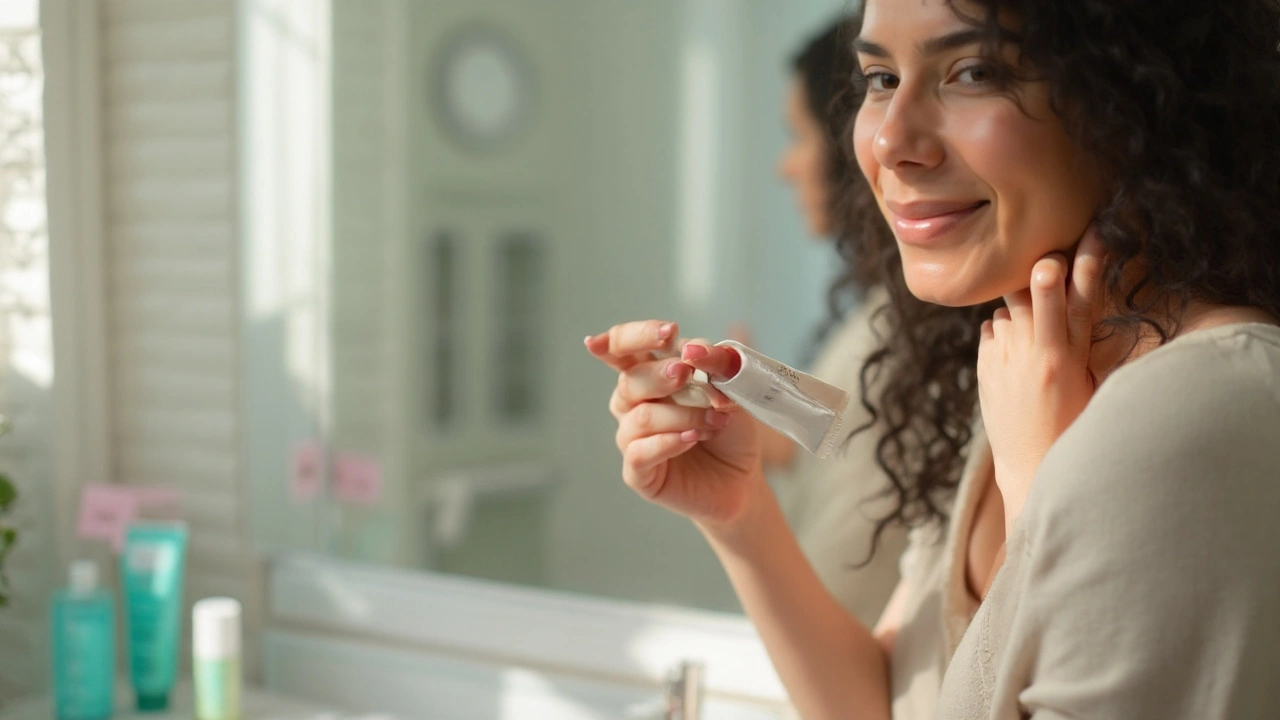
Pick the right tretinoin percentage for your skin. Clear rules, step-by-step plan, real examples, pro tips, and FAQs-written for everyday use.
 Medications
Archives
Recent-posts
Dermatomyositis and Polymyositis: Symptoms, Diagnosis, and Modern Treatment Options
Jul, 20 2026

Top 6 Alternatives to Cytotec for Ulcer Prevention in 2024
Nov, 17 2024

How and Where to Buy Dapoxetine Online Safely in 2026
Jul, 15 2026
Vanadium: The Dietary Supplement You Didn't Know You Needed
Sep, 4 2023

Lamivudine Cost-Effectiveness for HIV and Hepatitis B Treatment: Real-World Insights
May, 11 2025