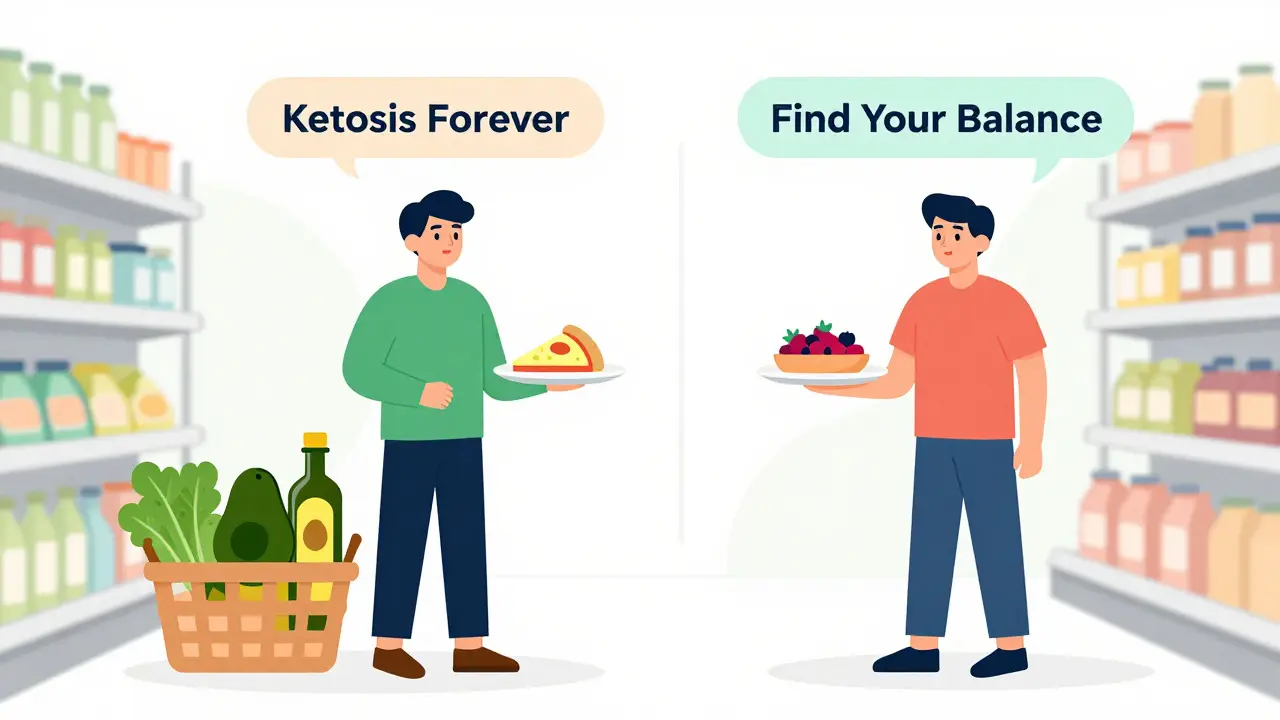
Picture this: you’re standing in the grocery aisle, staring at two different meal plans that promise to melt away pounds by cutting carbs. One tells you to eat mostly fat and stay in a metabolic state called ketosis forever. The other says start strict, then slowly add carbs back in until you find your balance. Both are popular, both are controversial, and both leave people confused about which one actually works for long-term health.
The debate between the Ketogenic diet (or keto) and the Atkins diet isn’t just about semantics. It’s about how your body burns fuel, how sustainable a diet feels after month three, and whether you can enjoy a slice of pizza without feeling like you’ve failed. While both approaches restrict carbohydrates to trigger weight loss, their structures, rules, and long-term philosophies differ significantly. Understanding these differences is crucial before you commit to either path.
How Keto and Atkins Actually Work
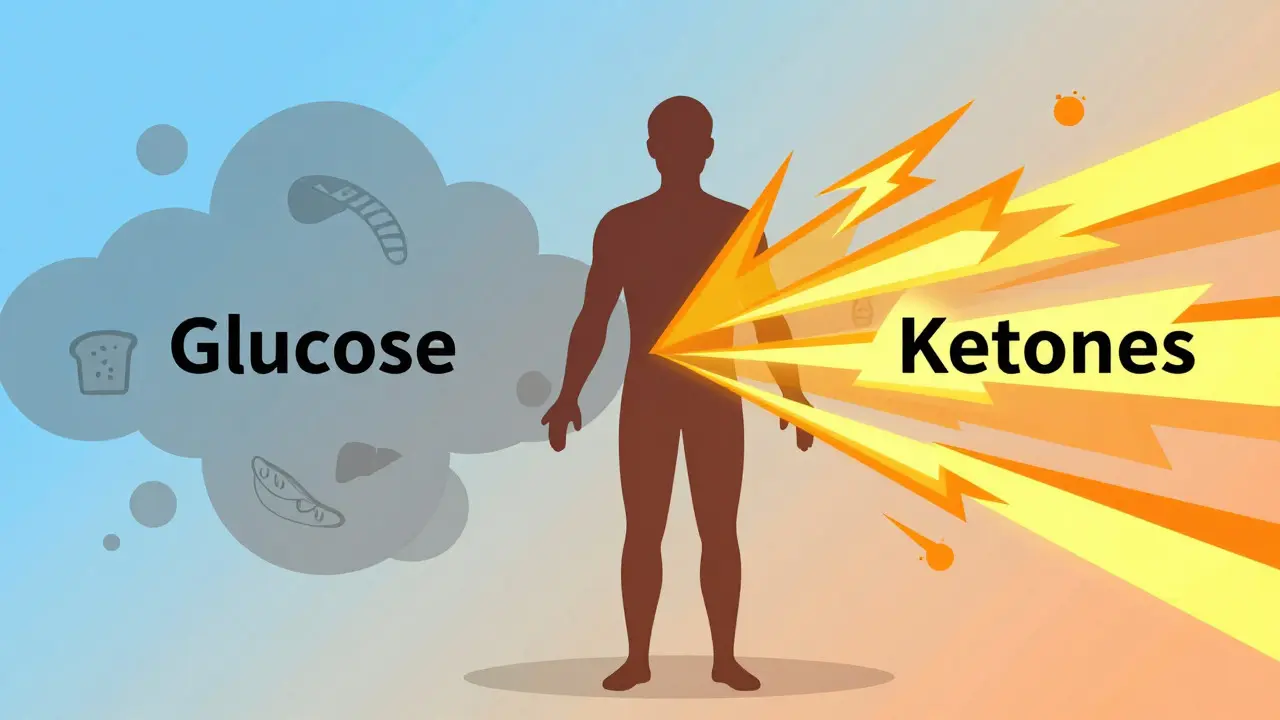
To understand why these diets work, we have to look at what happens when you stop eating bread, pasta, and sugar. Your body normally runs on glucose, which comes from carbohydrates. When you cut carbs drastically, your liver starts breaking down stored fat into molecules called ketones. These ketones become your primary energy source. This metabolic state is known as ketosis.
The Ketogenic diet, originally developed in the 1920s by Dr. Russell Wilder at the Mayo Clinic to treat epilepsy, relies entirely on staying in this state. To maintain ketosis, you must keep carbohydrate intake extremely low-usually under 50 grams per day. The macronutrient split is typically around 75-90% fat, 20% protein, and 5-10% carbs. Because excess protein can be converted into glucose through a process called gluconeogenesis, keto dieters often need to monitor protein intake carefully to avoid kicking themselves out of ketosis.
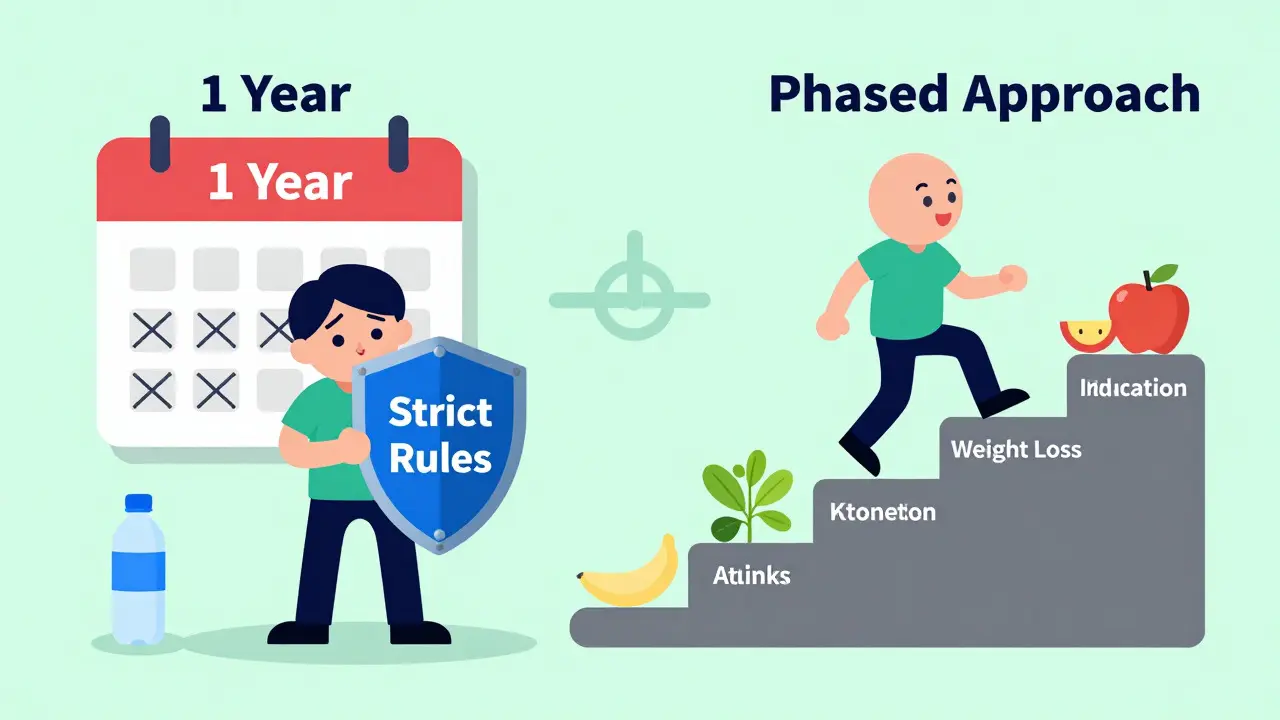
In contrast, The Atkins diet, created by Dr. Robert Atkins in 1972 with his book 'Dr. Atkins' Diet Revolution', uses a phased approach. It doesn’t require you to stay in deep ketosis forever. Instead, it starts with a very restrictive phase to jumpstart weight loss, then gradually increases carb intake. The goal is to find your personal "carb balance"-the maximum amount of carbohydrates you can eat while still maintaining your desired weight. This makes Atkins more of a lifestyle adjustment over time, whereas keto is often viewed as a permanent metabolic switch.
Structural Differences: Strict Rules vs. Phased Flexibility
The biggest practical difference lies in how rigid each diet is. If you prefer clear, unchanging rules, keto might appeal to you. If you hate feeling restricted and want room to grow, Atkins offers a roadmap out of the initial hunger pangs.
| Feature | Ketogenic Diet | Atkins Diet |
|---|---|---|
| Carb Limit | Under 50g daily (strict) | Starts at 20g, increases to 100g+ in maintenance |
| Protein Intake | Moderate (excess can break ketosis) | Higher allowed throughout phases |
| Fat Source | Emphasis on whole foods (avocado, olive oil) | Allows processed "diet-friendly" snacks |
| Long-Term Goal | Perpetual ketosis | Find personal carb tolerance |
| Monitoring Required | Blood/urine ketone tests recommended | Weight tracking and carb counting |
Atkins has four distinct stages. Phase 1 (Induction) limits you to 20-25 grams of net carbs for two weeks. Phase 2 (Ongoing Weight Loss) adds 5 grams of carbs every few days until weight loss slows. Phase 3 (Pre-Maintenance) lets you add another 10 grams weekly to find your threshold. Finally, Phase 4 (Lifetime Maintenance) allows up to 100 grams or more of net carbs daily, depending on your body’s response. Modern variations like Atkins 20, Atkins 40, and Atkins 100 let you start at different carb levels based on your starting weight and goals.
Keto, however, remains static. You don’t progress through phases; you just stay low-carb. This consistency can be comforting for some but exhausting for others. As registered dietitian Amy Shapiro notes, "Keto requires more precise measurement of macros, while Atkins allows more flexibility in food choices as you progress through phases."
Weight Loss Effectiveness: Short-Term Gains vs. Long-Term Reality
Let’s talk numbers, because that’s usually why people pick these diets. In the short term, both keto and Atkins produce impressive results. A 2014 study found that participants on a low-calorie keto diet lost approximately 44 pounds (20 kg) in 12 months, compared to only 15 pounds (7 kg) for those on a standard low-calorie diet. Another 24-week study showed significant weight loss and improved blood sugar control for obese adults with type 2 diabetes on Atkins.
However, the long-term picture is murkier. Research from the American Journal of Clinical Nutrition in 2022 revealed that while keto produced greater weight loss at six months (12.1 lbs vs 6.2 lbs), the gap nearly disappeared by month 24 (7.8 lbs vs 6.1 lbs). The Mayo Clinic states clearly that "over the long term, studies show that low-carb diets like the Atkins Diet are no more effective for weight loss than are standard weight-loss diets."
Why does this happen? Adherence drops. According to a 2022 consumer survey, 68% of keto dieters reported significant weight loss in the first three months, but adherence plummeted to just 35% after a year. Atkins fared slightly better, with 48% sticking with it long-term. The extreme restriction of keto makes it hard to sustain socially and emotionally. Atkins’ gradual reintroduction of carbs helps many people transition into a sustainable eating pattern rather than a temporary fix.
Sustainability and Daily Life Challenges
Diets aren’t just biology; they’re psychology. How do these plans feel in real life?
Keto users often report the "keto flu" during the first 2-4 weeks. Symptoms include headaches, fatigue, brain fog, and irritability as the body adapts to burning fat instead of glucose. About 70-80% of new adopters experience this. Monitoring ketone levels via blood strips or breath meters adds another layer of complexity and cost-reliable testing can run $40-$60 monthly. Socially, keto can be isolating. Sharing a meal with friends who order pasta or beer becomes tricky when even a small deviation can break ketosis.
Atkins also has an induction period that can feel restrictive, but the promise of adding carbs back keeps motivation higher for many. Users on Reddit’s r/Atkins community frequently praise the phased approach: "Atkins 40 worked better for me than keto because I could gradually increase carbs and still lose weight." However, some hit plateaus in Phase 3 when carb intake rises, requiring careful recalibration.
Food quality differs too. Keto purists emphasize whole foods-meat, fish, eggs, non-starchy vegetables, and healthy fats like avocado and olive oil. Processed foods are discouraged. Atkins, on the other hand, has a massive product line of branded snacks, shakes, and meals. While convenient, these products can be high in saturated fats and artificial ingredients. Critics argue that relying on processed "low-carb" foods undermines the health benefits of the diet.
Health Implications and Expert Opinions
Both diets have medical supporters and skeptics. Dr. David Ludwig from Harvard T.H. Chan School of Public Health acknowledges that "ketogenic diets can produce impressive short-term weight loss, but the extreme restriction makes long-term adherence challenging for most people." He highlights the benefit of keto in maintaining resting metabolic rate (RMR) during weight loss, which may help prevent regain.
On the flip side, Dr. Neal Barnard of the Physicians Committee for Responsible Medicine warns that "the high saturated fat content in many keto meal plans may increase cardiovascular risk factors despite short-term weight loss benefits." The American Diabetes Association recognizes that low-carb diets improve glycemic control in the short term but notes that "long-term safety and efficacy data remain limited."
For individuals with specific conditions, these diets offer targeted benefits. Keto has shown promise in managing epilepsy, reducing seizures in children where medication fails. Atkins has demonstrated effectiveness in lowering HgbA1c levels and reducing medication needs in type 2 diabetics. However, anyone with kidney disease should consult a doctor before starting either plan due to increased protein load in Atkins or potential electrolyte imbalances in keto.
Which One Should You Choose?
There is no single winner. Your choice depends on your personality, goals, and lifestyle.
- Choose Keto if: You thrive on strict rules, want rapid initial results, are motivated by science-backed metabolic changes, and don’t mind avoiding social carbs like bread and alcohol. It’s ideal for those seeking therapeutic benefits for conditions like epilepsy or severe insulin resistance.
- Choose Atkins if: You want a structured plan that evolves over time, dislike feeling permanently restricted, and value convenience options like branded snacks. It suits older demographics (35-54 years) looking for a sustainable lifestyle change rather than a quick fix.
If you’re unsure, consider starting with Atkins 20 to mimic the initial induction phase of keto. If you find the strictness manageable and enjoy the results, you can continue deeper into ketosis. If you struggle, the phased nature of Atkins allows you to ease off without feeling like you’ve failed.
Is keto harder than Atkins?
Yes, generally. Keto requires perpetual adherence to under 50g of carbs and careful monitoring of protein to maintain ketosis. Atkins starts similarly strict but gradually increases carbs, making it easier to sustain long-term for most people.
Can you eat fruit on Atkins?
In Phase 1 (Induction), fruit is mostly avoided except for small amounts of berries. As you progress to Phases 2 and 3, you can gradually introduce more fruits like apples and bananas, depending on your weight loss goals and carb tolerance.
Does keto cause muscle loss?
Studies suggest keto preserves muscle mass better than standard low-calorie diets because it maintains resting metabolic rate. However, adequate protein intake and strength training are still essential to prevent muscle breakdown.
What is the "keto flu"?
The keto flu refers to symptoms like headache, fatigue, and irritability experienced during the first 2-4 weeks of starting keto. It occurs as the body depletes glycogen stores and adapts to using ketones for energy. Staying hydrated and replenishing electrolytes (sodium, potassium, magnesium) can mitigate these effects.
Are Atkins snacks healthy?
Atkins-branded snacks are convenient and fit within the diet’s carb limits, but many are processed and high in saturated fats or artificial ingredients. For optimal health, prioritize whole foods like nuts, seeds, and vegetables over packaged snacks.
Which diet is better for type 2 diabetes?
Both diets can significantly improve blood sugar control. Keto shows rapid reductions in HgbA1c levels, while Atkins provides a structured way to manage carbs long-term. Consult your doctor before starting either, especially if you take insulin or other glucose-lowering medications.
How much weight can I expect to lose?
Short-term losses vary, but studies show keto can lead to ~44 lbs in 12 months, while Atkins results depend on phase progression. Long-term, both diets perform similarly to moderate-calorie diets once adherence factors are considered. Individual results depend on starting weight, activity level, and consistency.
Do I need to test my ketones on Atkins?
No. Atkins focuses on weight loss and carb tolerance rather than maintaining ketosis. Tracking weight and adjusting carb intake based on progress is sufficient. Keto dieters often use ketone tests to ensure they remain in ketosis.
 Medications