

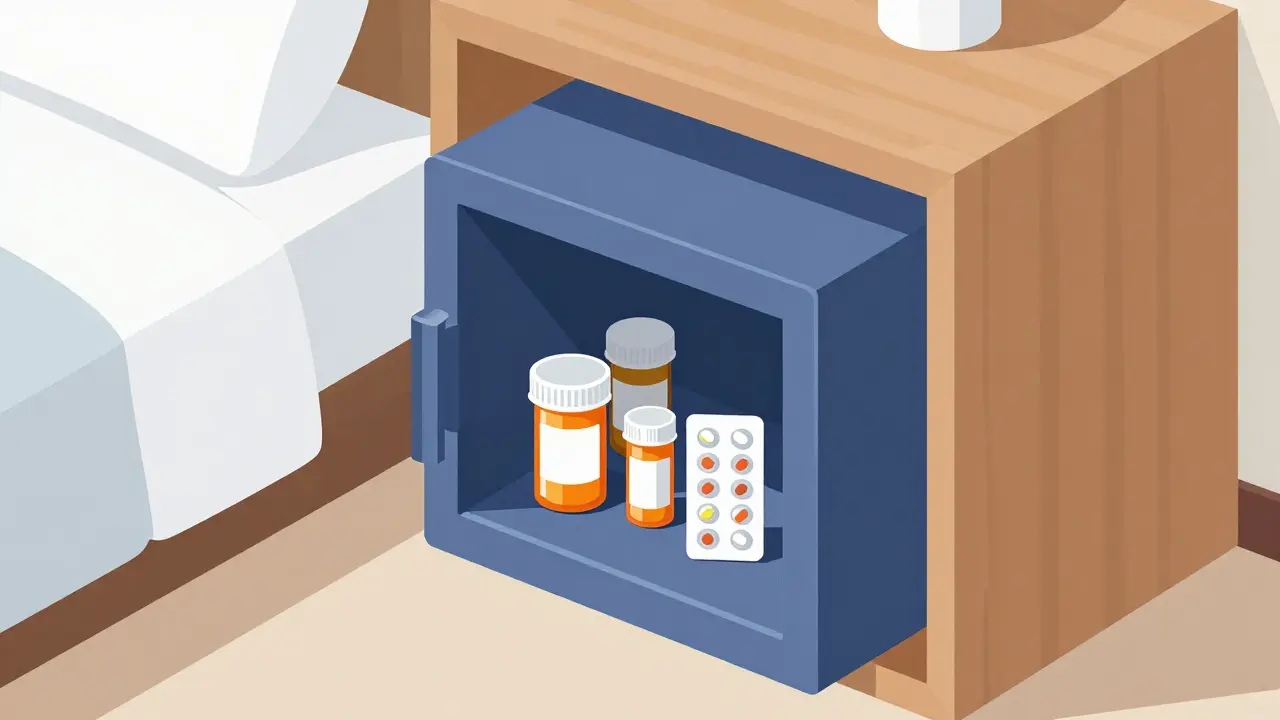
You wouldn't leave your passport or wallet sitting on a bedside table in a city you've never visited, right? Yet, many of us treat our prescriptions with far less caution. Whether it's a life-saving insulin pen or a monthly supply of ADHD medication, your meds are high-value targets for theft and, more importantly, critical for your health. A single missing bottle can turn a dream vacation into a medical emergency. If you're staying in temporary accommodations, you need a strategy that balances ironclad security with the ability to get to your dose quickly when it counts. medication security is the set of practices used to protect prescription and over-the-counter drugs from theft, loss, or accidental ingestion while traveling. Here is how to do it without stressing yourself out.
The Big Difference Between Hotels and Hostels
Where you sleep drastically changes your risk level. In a standard hotel, you usually have a controlled environment. According to the American Hotel & Lodging Association, about 68% of U.S. hotels now provide in-room electronic safes. These are generally reliable, though not foolproof. When you're in a hotel, your primary threat is often opportunistic theft or accidental loss.
Hostels are a different beast entirely. If you're in a dormitory, you're sharing a room with strangers. Data from the Journal of Travel Medicine shows a much higher rate of medication tampering in these settings-about 14 incidents per 1,000 stays. Even in private hostel rooms, individual safes are far less common, found in only about 38% of properties. In a hostel, you aren't just protecting your meds from a random thief; you're protecting them from curious roommates or accidental mix-ups in shared spaces.
| Feature | Standard Hotels | Budget Hostels |
|---|---|---|
| Safe Availability | High (approx. 92% in US) | Low (approx. 38% in private rooms) |
| Primary Risk | Opportunistic theft | Shared-space tampering/theft |
| Access Control | Electronic keys/Safe codes | Often physical master keys |
| Theft Rate | Lower | 3.7x higher in dorms vs private rooms |
Mastering the Hotel Safe
Most people just toss their stuff in the safe and hope for the best. Don't do that. Some safes are outdated or have dying batteries. The OmniLert 2023 Hotel Security Report found that nearly 19% of hotel safes actually malfunction. Your first move upon checking in should be a "stress test." Open and close the safe three times. Check if the interior light works. If it feels clunky, ask for a different room or a functioning safe immediately.
Once you've verified it works, consider where you place the meds. A pro tip from the University of Florida's Injury Prevention Center is to store medications at least five feet off the ground. This isn't just about thieves; it's about preventing kids (yours or someone else's) from accessing them if the safe is low to the floor. For those carrying controlled substances, keep them in their original pharmacy containers. The DEA can be strict, and having a proper label prevents legal headaches if you're questioned by local authorities or customs.
Security Layers for Hostel Guests
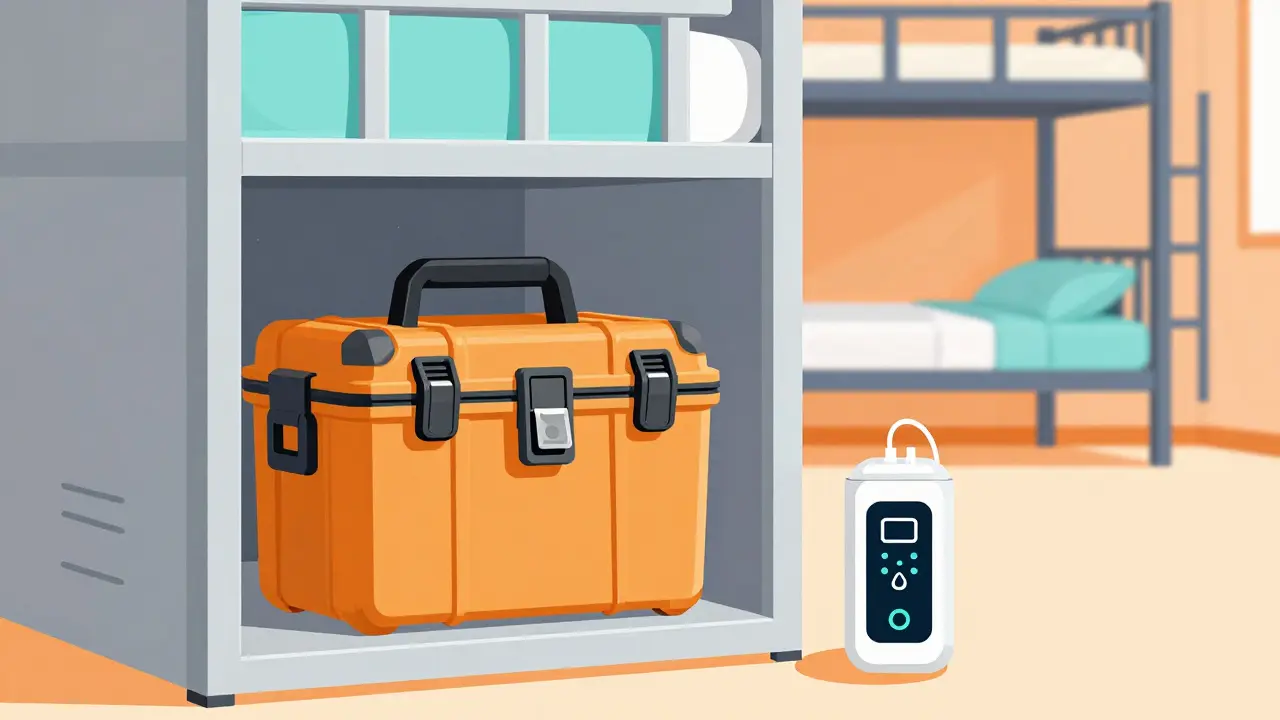
If you're staying in a dorm, a locker is rarely enough. Those flimsy padlocks can be popped in seconds. To truly secure your meds, you need a second layer of defense. This is where a portable medication lock box comes in. Look for TSA-approved models like the Med-ico Secure Rx. These are designed to resist crushing and pulling, making it much harder for a thief to just grab your bag and rip the lock off.
If you have temperature-sensitive medications, like insulin, the risk isn't just theft-it's spoilage. A biometric portable cooler is a lifesaver here. It keeps your meds at the right temperature and ensures only you can open it, which is critical during power outages or when sharing a communal fridge where other guests might move your items.
The "Golden Rules" of Medication Accessibility
Here is the paradox: the more secure you make your meds, the harder they are to get to in an emergency. If you're having a severe allergic reaction, you can't spend 47 seconds fumbling with a safe code. You need your rescue meds *now*.
- Carry Emergency Meds on You: Always keep epinephrine auto-injectors or nitroglycerin in a pocket or a small crossbody bag. Never lock these in a safe.
- The Daily Inventory: If you're traveling for weeks, do a quick count every morning. Travel health experts note that daily checks can reduce medication discrepancies by 94%.
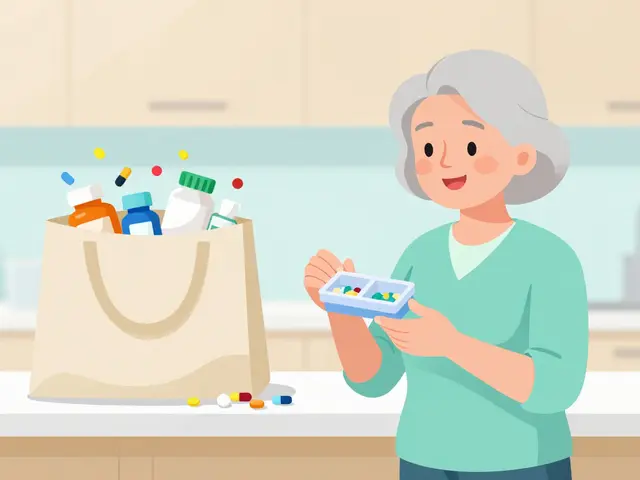
- Original Packaging: Avoid the temptation to put everything in one giant pill organizer. Original bottles provide proof of prescription and prevent the "wrong pill" errors that happen when you're jet-lagged.
Legal and Regulatory Safeguards
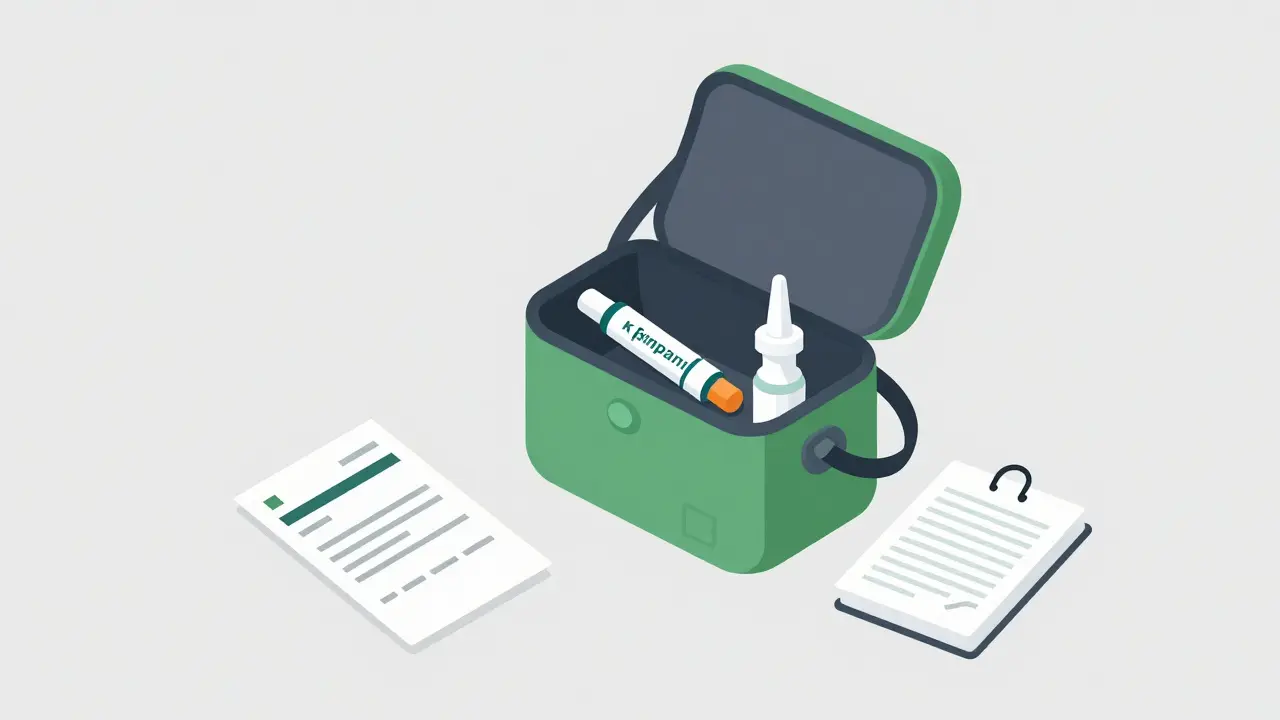
It's not just about thieves; it's about the law. The U.S. Department of State warns that many countries have incredibly strict rules about what constitutes a "prescription drug." Improperly stored or unlabeled medication can lead to confiscation or even legal charges in some regions.
To protect yourself, keep a digital and physical copy of your prescriptions. If you are using controlled substances, maintain a simple log: what you started with, what you've taken, and what's left. This mimics the DEA Form 106 requirements and provides a clear paper trail if you're ever audited or questioned by security.
What should I do if the hotel safe isn't working?
Don't try to "make it work." Immediately notify the front desk and request a room change or a technician. If the hotel cannot provide a working safe, move your medications into a portable, high-security lock box and keep it tethered to a heavy piece of furniture or inside your locked suitcase.
Are pill organizers safe for travel?
While convenient, pill organizers lack the child-safety features of original containers and provide no proof of prescription. It's best to use them for daily doses but keep the bulk of your medication in the original pharmacy bottles to avoid legal issues and accidental ingestion.
How do I secure medications in a hostel dormitory?
Use a combination of a hostel locker and a portable, hard-shell medication lock box. Avoid relying solely on the locker, as these are often easily breached. If possible, request a private room, which significantly lowers the risk of theft compared to shared dorms.
Can I trust hotel staff with my medications?
Generally, no. You should not leave medications with the front desk or housekeeping. While many chains like Marriott are training staff on security, your medications are your responsibility. Always use the in-room safe or your own security devices.
What is the best way to transport temperature-sensitive meds?
Use a medical-grade portable cooler. For maximum security and safety, choose one with a biometric lock or a heavy-duty keyed lock to prevent others from opening it in shared hostel refrigerators.
Next Steps for Your Trip
Before you head out, do a quick audit of your gear. If you're staying in a hostel, invest in a TSA-approved lock box. If you're hitting a series of hotels, make a habit of testing the safe the moment you walk through the door. Lastly, double-check that all your labels are legible and match your ID. A little bit of prep now prevents a massive headache-or a medical crisis-later.
 Medications


Divyanshu Giri
April 24, 2026 AT 15:16This is gold! Total game changer for anyone hitting the road 🚀 Just keep that energy up and stay safe out there folks!
Rick Brewster
April 26, 2026 AT 14:14one must wonder if the obsession with the physical lock is merely a projection of our own internal fragility since the true security is not found in a steel box but in the stoic acceptance of loss though i suppose for the uninitiated the mere thought of a missing pill bottle is enough to shatter their fragile world view and send them spiraling into a void of anxiety that no amount of tsa approved plastic can ever truly fill because we are all just transients in a cosmic hotel with no functioning safes in the end lol
Anantha Lakshmi
April 27, 2026 AT 15:50Staying organized is the best way to enjoy the trip! 🌟 Always keep a small pouch for the essentials so you don't have to dig through bags 💖✨
RAJESH MARAVI
April 29, 2026 AT 10:07lmao who actualy believes these stats?? 14 incidents per 1000 is basicly nothing. totaly overblown. i stay in hostels all the time and just leave my stuff on the bed. u guys are just paranoide as hell
Ally Warren
April 30, 2026 AT 03:34The paradox of security versus accessibility is a fascinating reflection of the human condition. We build walls to feel safe, only to find ourselves trapped behind them when the crisis actually arrives. It is the eternal struggle between the desire for control and the necessity of spontaneity.
Olayinka Ibukunoluwa Mercy
May 1, 2026 AT 02:21This is such a helpful guide for everyone!!! 🌟 It is so important to look out for one another and stay safe while exploring the world... thank you for sharing these tips!!! ❤️🙏✨
Dan Wizard
May 1, 2026 AT 11:30I have always wondered if the legal requirements for controlled substances vary so wildly that a digital copy of a prescription might not be enough in certain jurisdictions, particularly in regions where the local authorities might be less inclined to trust foreign documentation without a physical embassy seal or a verified translation, which makes the advice about original packaging feel even more critical when you consider the potential for lengthy delays at customs.
Odicha ude Somtochukwu
May 2, 2026 AT 15:09It is most imperative that one adheres to these guidelines to ensure a seamless journey, especially when visiting countries with rigorous pharmaceutical laws... Your safety and health are of utmost priority, and preparation is indeed the key to peace of mind!!!