Imagine taking your daily blood pressure medication, only to find out later that it contained a hidden carcinogen. That wasn't just a hypothetical scenario; in 2018, millions of patients faced this reality when the FDA discovered N-nitrosodimethylamine is a probable human carcinogen found as an impurity in certain generic angiotensin II receptor blocker medications (NDMA) in valsartan tablets. This event highlighted a persistent and often overlooked problem: the gap between the promise of affordable generic drugs and the reality of inconsistent manufacturing quality.
For most people, a generic pill looks identical to its brand-name counterpart. But behind that white plastic bottle lies a complex global supply chain where quality control can vary wildly depending on where the drug is made. Understanding these issues isn't just for pharmacists or regulators-it’s essential for anyone relying on consistent healthcare outcomes. Here is what is actually going wrong inside manufacturing plants, why it happens, and how you can spot the red flags.
The Global Supply Chain Gap
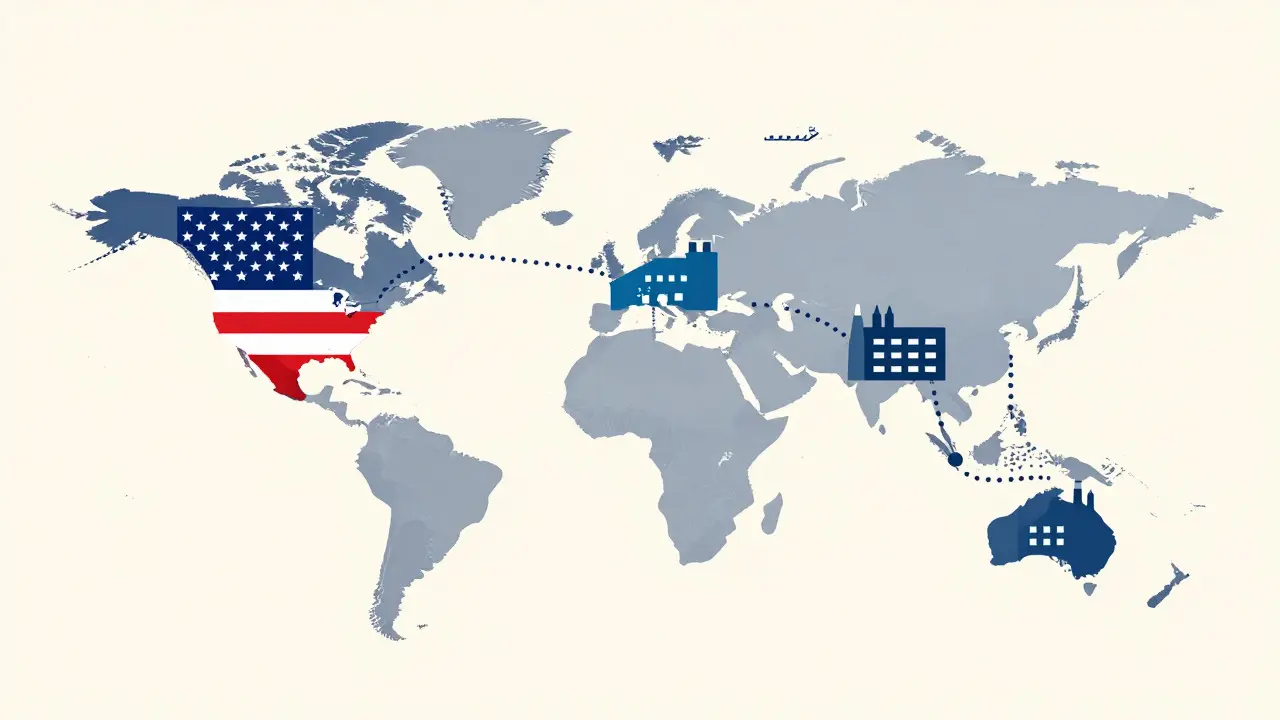
To understand why quality issues persist, you have to look at where the drugs come from. The United States relies heavily on foreign sources for its medicines. According to the FDA's 2022 Drug Shortage Report, approximately 80% of active pharmaceutical ingredients (APIs) and 40% of finished dosage forms originate from facilities outside the US. This globalization creates a significant oversight challenge. When a plant is located thousands of miles away, maintaining strict quality standards becomes exponentially harder.
The regulatory landscape is fragmented. While the FDA oversees US-based facilities with unannounced inspections, foreign plants often receive advance notice due to diplomatic protocols and visa requirements. This difference matters. A 2023 study published in Circulation found that generic drugs manufactured in India were linked to 23.7% more severe adverse events compared to equivalent US-manufactured generics. The reason? Facilities abroad sometimes "prepare" for inspections, meaning they may not operate under the same rigorous conditions day-to-day as they do during an audit. This creates a blind spot where routine lapses go unnoticed until a patient gets sick.
Common Manufacturing Deficiencies
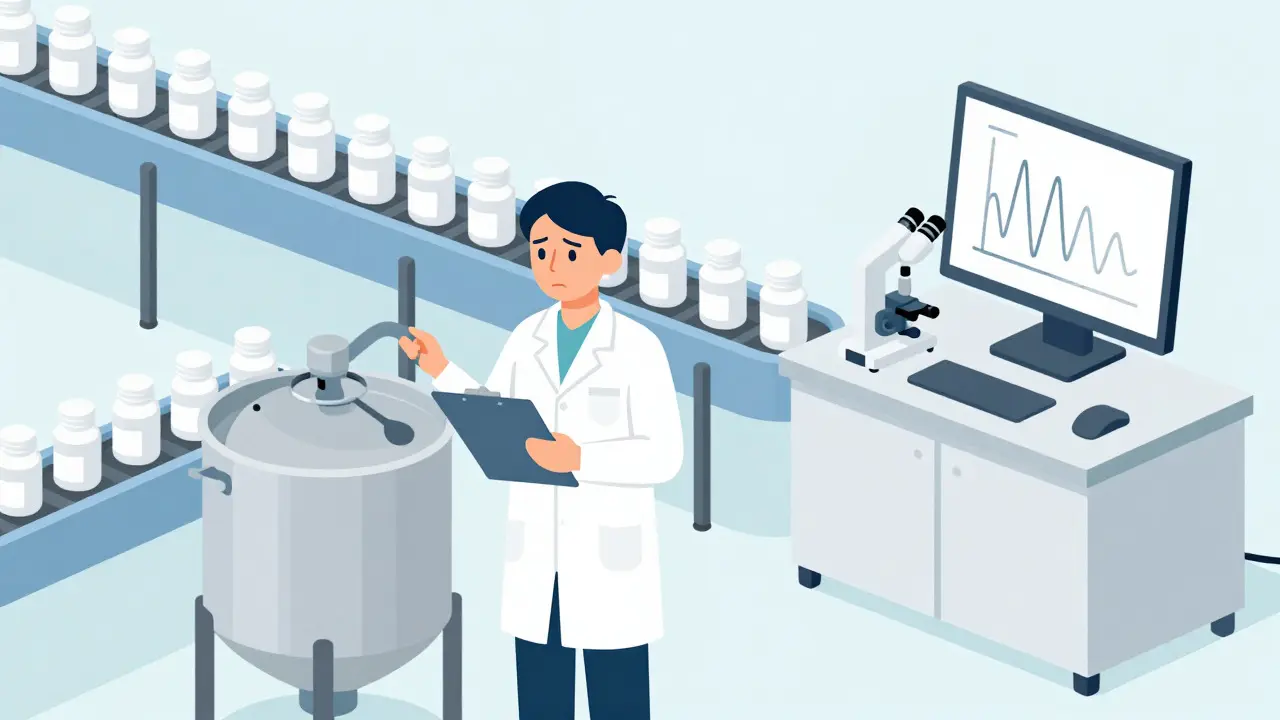
What exactly goes wrong on the factory floor? It’s rarely one single catastrophic failure; instead, it’s a collection of smaller, systemic issues that erode product integrity over time. Based on FDA inspection data from 2022, here are the most frequent problems:
- Analytical Method Failures: Accounting for 18.7% of FDA Form 483 observations, this occurs when the tests used to verify drug purity are flawed or outdated. If the test itself is broken, the result is meaningless.
- Data Integrity Issues: Cited in 24.8% of observations, this involves employees altering records, using shared passwords, or lacking proper audit trails. In one alarming case documented in Warning Letter WL-2022-107, an employee at an Indian facility was observed pouring acid into a trash can full of quality control documents.
- Inadequate Stability Data: 15.6% of observations relate to insufficient long-term testing. Drugs degrade over time, especially in hot or humid climates. If a manufacturer doesn’t prove the drug stays stable for its entire shelf life, patients might be receiving weakened doses.
- Packaging Defects: Making up 12.3% of findings, poor packaging can lead to moisture absorption or contamination, directly affecting how the drug dissolves in your body.
These aren't just technicalities. For example, if a nitroglycerin tablet fails to dissolve properly due to packaging issues, it may not deliver enough medication to widen blood vessels quickly enough during a heart attack. This specific issue led to 14.3% of adverse event reports associated with generic quality problems between 2019 and 2022.
The Cost of Cutting Corners
Why do reputable companies allow these errors to happen? The answer often comes down to economics. The global generic drug market was valued at $422.7 billion in 2022, but prices have been plummeting. Between 2018 and 2022, average generic drug prices declined by 18.3% annually. To maintain profit margins in such a competitive environment, some manufacturers have reduced their quality control budgets by an average of 22.7%.
This cost-cutting has direct consequences. Implementing robust Quality by Design is a systematic approach to development that begins with predefined quality targets and focuses on process understanding and product variability (QbD) systems takes 18 to 24 months and costs around $2.7 million per facility. For many smaller players, that investment feels risky. Instead, they rely on reactive fixes rather than proactive prevention. The result is a cycle of recalls and warning letters. In fiscal year 2022 alone, the FDA issued 147 warning letters for cGMP violations, a 28.5% increase from the previous year.
How to Spot Potential Quality Issues
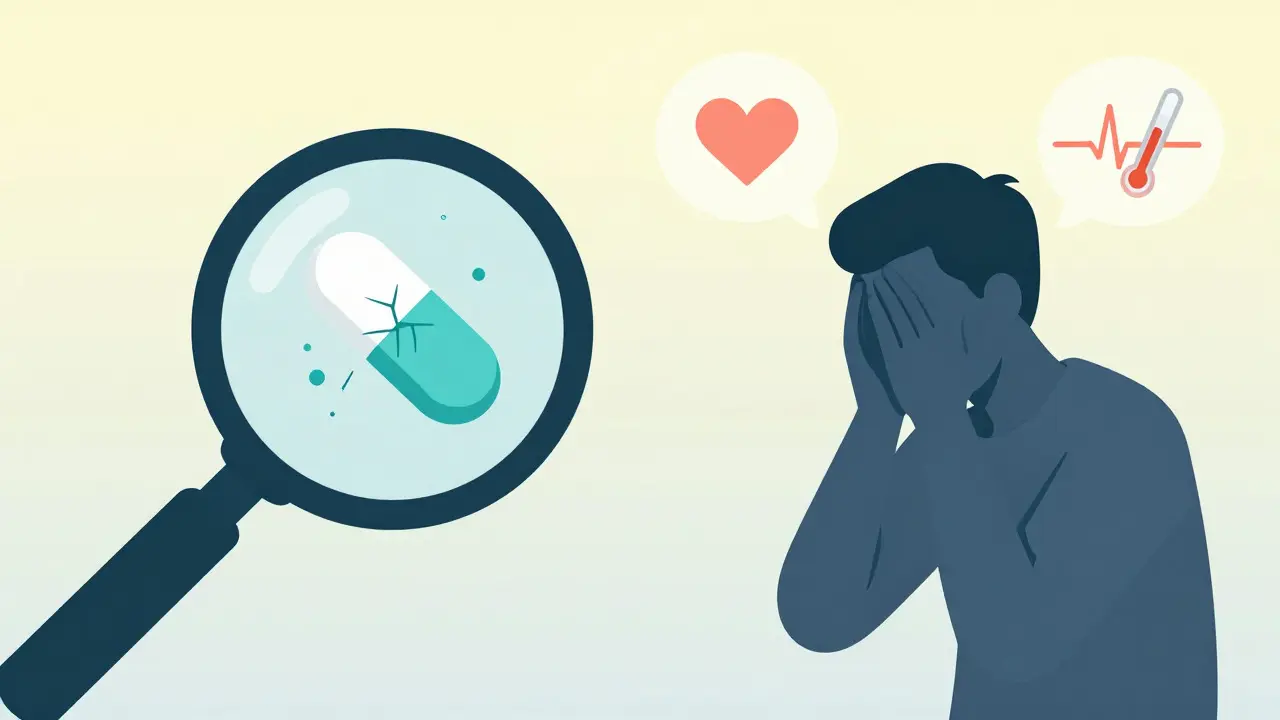
You don’t need a chemistry degree to identify potential risks. As a consumer or healthcare provider, there are several practical indicators that a generic drug might have quality concerns:
- Check the Manufacturer’s History: Look up the specific plant location on the FDA’s establishment inspection database. Frequent warning letters or recent recalls are strong signals.
- Monitor Bioequivalence Reports: For Narrow Therapeutic Index (NTI) drugs-like warfarin or levothyroxine-small changes in concentration can have big effects. NTI drugs accounted for 37% of bioequivalence-related Complete Response Letters in 2022. If your doctor switches you to a new generic version of an NTI drug, ask about the stability of that specific formulation.
- Watch for Recalls: Use the FDA recall database. If a specific lot number is recalled for "dissolution failure" or "microbial contamination," switch brands immediately.
- Observe Physical Changes: While not definitive, significant changes in pill color, shape, or taste after a formulary switch can indicate different excipients or manufacturing processes.
Regulatory Responses and Future Outlook
The industry is under increasing scrutiny. The FDA’s 2023-2027 Strategic Plan commits to risk-based inspection scheduling, which means high-risk facilities will be inspected 35% more frequently. Additionally, the European Medicines Agency (EMA) began conducting unannounced inspections at all foreign facilities supplying the EU market in January 2023. This change resulted in a 41.2% increase in critical findings compared to announced inspections, proving that surprise visits catch what scheduled ones miss.
Experts agree that the current model needs evolution. Dr. Ameet Nathwani, Chief Medical Officer at Sanofi, stated in a 2022 FDA Advisory Committee meeting that "the current inspection model is fundamentally broken." With only 13% of foreign facilities inspected annually despite overseeing 73% of finished drug products manufactured abroad, the safety net has holes. However, the trend is moving toward tighter controls. Manufacturers who invest in advanced quality systems are projected to capture 65% of market share by 2027, while those ignoring quality face a 40% higher risk of market exit.
| Metric | US Facilities | Foreign Facilities (Avg.) | Key Implication |
|---|---|---|---|
| Form 483 Observations per Inspection | Baseline | +4.2% higher | Higher frequency of cited deficiencies abroad |
| Inspection Notice Protocol | Unannounced | Advance Notice Required | Allows foreign plants to prepare, potentially masking routine issues |
| Contribution to Drug Shortages | 22.1% | 68.4% | Majority of shortages stem from foreign quality failures |
| Severe Adverse Event Link | Baseline | +23.7% (India-specific study) | Statistical correlation between origin and severity of side effects |
Frequently Asked Questions
Are generic drugs less safe than brand-name drugs?
Not inherently, but consistency varies. Most generics meet FDA standards for bioequivalence. However, studies show that variability in blood concentration levels can be higher for some generics, particularly for Narrow Therapeutic Index drugs. The risk is not that the drug is "bad," but that it may be less consistent from batch to batch compared to brand-name counterparts.
What is a Form 483 observation?
A Form 483 is a document issued by FDA inspectors listing specific observations or discrepancies found during an inspection. It is not a final judgment or a violation, but a starting point for discussion. High numbers of recurring 483s at a facility indicate systemic quality management issues.
How does the FDA test imported drugs?
Surprisingly, very few. According to FDA import data, only 0.02% of imported drug shipments undergo laboratory analysis upon entry. The FDA relies primarily on inspecting the manufacturing facilities themselves rather than testing every box that crosses the border. This reliance on site inspections makes the accuracy of those inspections critical.
What should I do if I suspect a quality issue with my medication?
Report it to the FDA through the MedWatch program and inform your pharmacist. Keep the bottle and any remaining pills. If the issue is widespread, it may lead to a voluntary recall. Do not stop taking essential medications without consulting your doctor, but seek alternatives if the specific manufacturer has a history of recalls.
Does the country of manufacture matter for quality?
Yes, statistically. Data shows that Chinese facilities received 28.6% more observations and Indian facilities received 19.3% more observations than US facilities in 2022. While many foreign plants are excellent, the aggregate data suggests a higher risk profile for facilities in certain regions due to differences in inspection rigor and infrastructure.
 Medications