

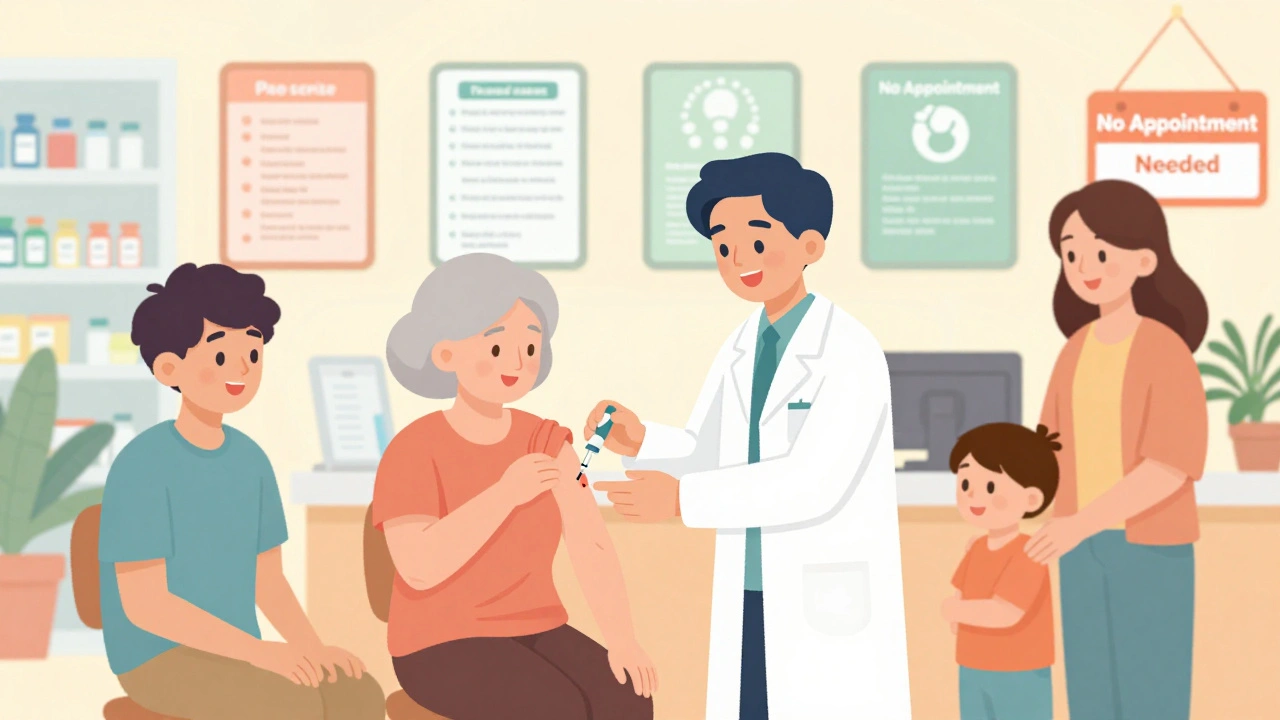
For years, people thought of pharmacists as the folks behind the counter who handed out pills. But today, if you walk into a community pharmacy in the UK or the US, you might find a pharmacist giving you a flu shot, checking your blood pressure, or helping you switch to a cheaper generic version of your medication. This isn’t just convenience-it’s a quiet revolution in healthcare, and pharmacists are at the center of it.
Pharmacists as Vaccination Champions
More than 90% of Americans live within five miles of a pharmacy. That’s closer than most doctor’s offices. And unlike clinics, pharmacies are open evenings, weekends, and holidays. No appointment needed. That’s why, in 2023, community pharmacies gave out over 35 million flu shots in the US alone-nearly 38% of all adult flu vaccinations. In the UK, pharmacists have been authorized to administer seasonal flu and COVID-19 vaccines since 2015, and now offer pneumococcal, shingles, and travel vaccines too.
It’s not just about giving shots. Pharmacists spend 7 to 10 minutes with each patient explaining why the vaccine matters, answering fears about side effects, and correcting myths. On Reddit, people share stories of pharmacists talking down vaccine hesitancy-especially with teens getting their first HPV shot or older adults worried about mRNA technology. One pharmacist in Bristol told a patient, “This isn’t just about you. It’s about protecting your grandkids, your neighbor with asthma, your coworker who can’t get vaccinated.” That kind of personal connection works.
Why Generic Prescriptions Matter
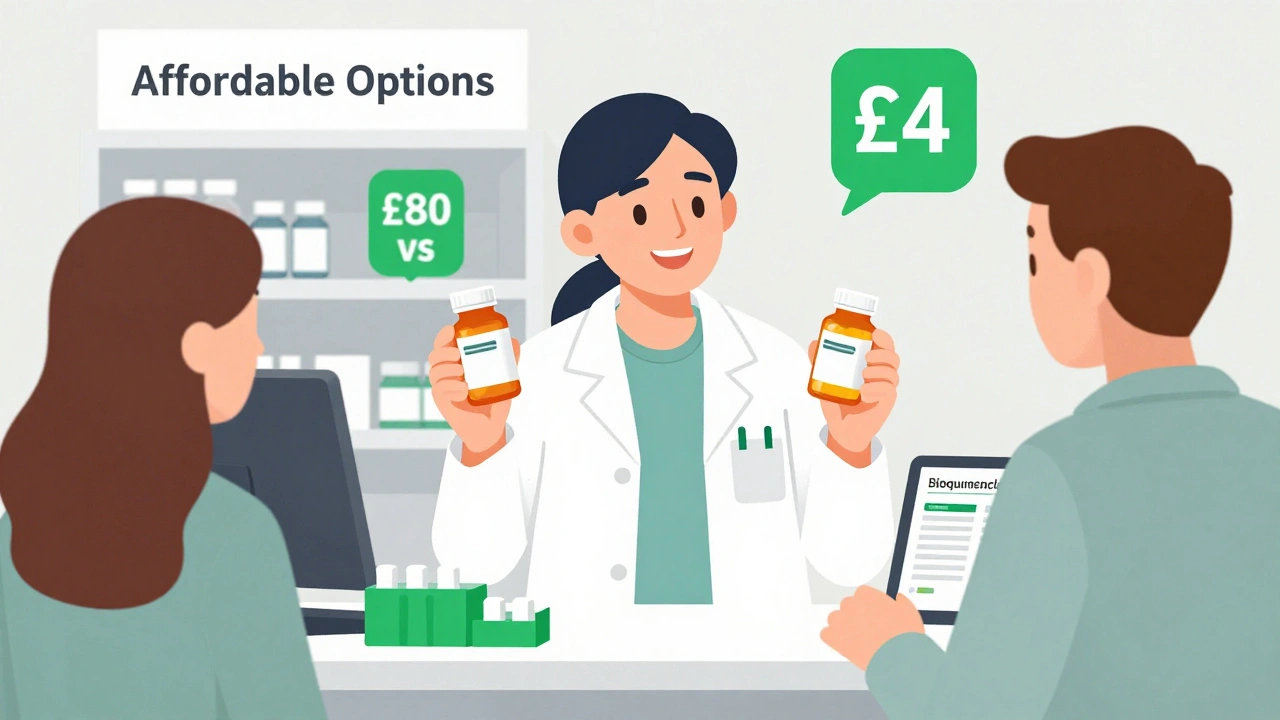
While immunizations are about prevention, generic prescriptions are about affordability. A brand-name statin might cost £80 a month. The generic version? £4. Pharmacists don’t just fill prescriptions-they actively suggest alternatives. In fact, 92% of independent UK and US pharmacies now routinely offer generic substitutions when appropriate.
But here’s the catch: not all generics are created equal. Pharmacists check bioequivalence data, review patient history, and make sure the switch won’t trigger side effects. A patient on warfarin, for example, needs careful monitoring if switching brands. Pharmacists track those details. They’re the ones who notice when a patient’s new generic pill looks different and ask, “Did you notice the change? How are you feeling?” That’s not dispensing. That’s care.
The Advocacy Behind the Counter
Pharmacists don’t just help patients one at a time. They push for change. In the US, the National Community Pharmacists Association has collected over 23,000 letters from pharmacists demanding fair reimbursement from Pharmacy Benefit Managers (PBMs). These middlemen often slash what pharmacies get paid for vaccines and generics, sometimes below cost. In the UK, pharmacists have lobbied the NHS to expand the list of vaccines they can administer without a doctor’s note.
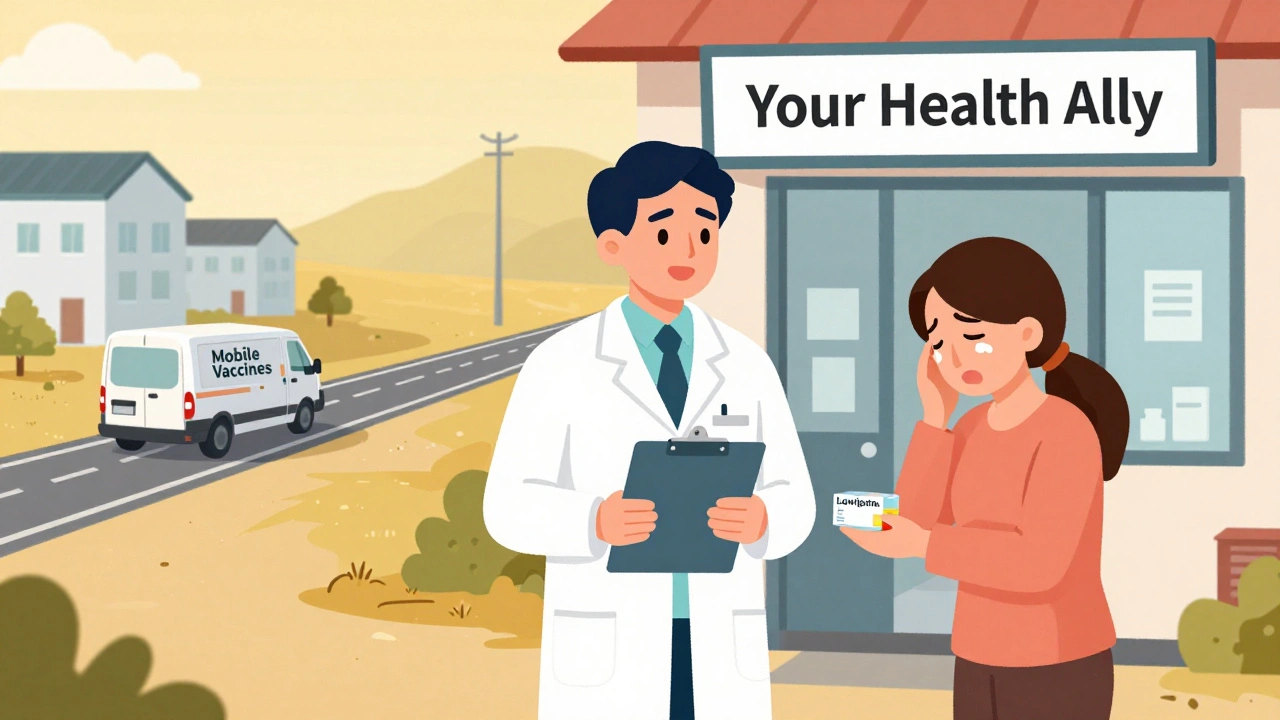
It’s not just about money. It’s about access. In rural areas, the pharmacist might be the only healthcare provider within 20 miles. If they can’t give vaccines or recommend affordable meds, people go without. One independent pharmacist in Cornwall said, “I had a woman come in last week. She was skipping her blood pressure meds because she couldn’t afford the brand. I switched her to a generic. Saved her £60 a month. She cried. That’s why I do this.”
Barriers Still Standing
Progress isn’t uniform. In the US, 14 states still restrict pharmacists from vaccinating children under 12. In the UK, while pharmacists can give flu and COVID shots, they can’t yet administer travel vaccines like yellow fever without special training and approval. And reimbursement? It’s a mess. Medicare in the US pays only 87% of the actual cost to administer a vaccine. In the UK, NHS payments for pharmacist-led services haven’t kept up with rising drug costs.
Then there’s paperwork. Some states require pharmacists to report every vaccine to a state registry within 72 hours. Others give them a week. Some pharmacies have to use three different systems just to track vaccines, prescriptions, and insurance claims. One pharmacist in California called it a “patchwork nightmare.”
What’s Changing-and What’s Next
The tide is turning. In 2023, 27 US states expanded pharmacists’ authority to give vaccines or order lab tests. The CDC now calls pharmacists “critical partners” in reaching vaccination goals. By 2026, analysts predict pharmacists will administer over half of all adult vaccines in the US.
In the UK, the NHS Long Term Plan aims to integrate pharmacists more deeply into primary care teams. Some pharmacies now offer blood tests, cholesterol checks, and even diabetes screenings-all under pharmacist supervision. The goal? To catch problems early, reduce hospital visits, and cut costs.
Technology is helping too. New systems let pharmacists access immunization records from GPs and hospitals. That means fewer missed shots. Fewer duplicates. Better care.
What Patients Should Know
If you need a vaccine, don’t wait for a doctor’s appointment. Walk into your local pharmacy. Ask if they offer it. Ask if there’s a cheaper generic version of your prescription. Pharmacists are trained to answer these questions. They’re not salespeople. They’re your health ally.
And if you’ve ever been turned away because your insurance didn’t cover the shot? Speak up. Tell your pharmacist. They’re already fighting for better payment systems. Your voice helps.
The role of the pharmacist has changed. They’re no longer just the person who counts pills. They’re the first line of defense against disease. The quiet advocate for affordable meds. The one who remembers your name-and your kid’s vaccination schedule.
Can pharmacists really give vaccines, or do they just hand them out?
Yes, pharmacists are fully trained and licensed to administer vaccines. They complete certification programs that include hands-on injection training, patient screening, and emergency response. In the UK and US, they can give flu, COVID-19, shingles, pneumococcal, and travel vaccines-often without needing a doctor’s prescription. They don’t just hand out vials; they assess eligibility, answer questions, and record doses in official systems.
Are generic medications as safe and effective as brand-name ones?
Yes. Generic drugs contain the same active ingredients, in the same strength and dosage form, as their brand-name counterparts. They must pass strict regulatory tests to prove they work the same way in the body. The only differences are in inactive ingredients (like fillers or dyes), which rarely affect safety. Pharmacists are trained to spot potential issues-like when a patient is sensitive to a specific dye-and can recommend alternatives if needed.
Why do some pharmacies charge more for vaccines than others?
It depends on how they’re paid. Chain pharmacies often get bulk discounts and better reimbursement from insurers. Independent pharmacies may pay more for vaccines upfront and get less back from insurance, so they charge more to cover costs. Some pharmacies offer discounts for cash payments or bundle vaccines with other services. Always ask: “Is there a lower-cost option?” or “Can you check my insurance?”
Can pharmacists help me switch from a brand-name drug to a generic?
Absolutely. Pharmacists routinely suggest generic alternatives when they’re available and appropriate. They check your medical history, drug interactions, and insurance coverage. In many places, they can even switch your prescription automatically unless your doctor says “dispense as written.” If you’re paying too much, ask your pharmacist-many will find a cheaper option you didn’t know existed.
Why don’t all pharmacists offer all vaccines?
It’s not about ability-it’s about rules and resources. Some states or regions restrict pharmacists from vaccinating children or giving certain travel vaccines. Others require extra training or special storage equipment. Not every pharmacy has the space, staff, or funding to stock every vaccine. But the trend is clear: more pharmacies are expanding services every year. If yours doesn’t offer a vaccine, ask if they can order it or refer you to one that does.
 Medications


Kidar Saleh
December 3, 2025 AT 08:29Pharmacists in the UK have been doing this for years-vaccines, blood pressure checks, even smoking cessation programs. It’s not new, but the public is only now catching up. I’ve had my flu shot at the corner chemist since 2017. No waiting room. No paperwork. Just a quick chat and a jab. That’s healthcare done right.
Vincent Soldja
December 5, 2025 AT 05:42Pharmacists giving shots is fine but dont let them prescribe. Thats doctor territory
Katherine Gianelli
December 5, 2025 AT 09:39I used to think pharmacists just handed out pills until my mom had a bad reaction to a new generic blood pressure med. The pharmacist noticed the pill looked different, asked how she was feeling, and called the doctor within minutes. She’s fine now. That’s not just a job-it’s lifesaving attention to detail. People don’t realize how much they do.
parth pandya
December 6, 2025 AT 08:02generic meds are fine but sometimes they dont work same as brand like for seizure meds. dont trust em too much
Albert Essel
December 6, 2025 AT 12:54It’s not about who gives the shot-it’s about access. In rural Iowa, the closest doctor is 45 minutes away. The pharmacy is three blocks from my house. If a pharmacist can give me a flu shot and explain why I need it, why should I drive an hour? We need to stop clinging to outdated hierarchies in healthcare.
sagar bhute
December 8, 2025 AT 04:42Pharmacists are just glorified retail clerks with a pharmacy degree. Let doctors do medicine. This is just corporate cost-cutting disguised as progress. You think a guy who sells toothpaste and cough syrup really knows how to assess vaccine eligibility? Please.
Gavin Boyne
December 8, 2025 AT 13:43So pharmacists are now doctors, nurses, counselors, insurance navigators, and data entry clerks. And they’re still paid less than a Starbucks barista in some places. The system is broken, but at least someone’s trying to fix it with duct tape and goodwill.
Francine Phillips
December 8, 2025 AT 21:53my grandma got her shingles shot at the pharmacy last year. she said the guy remembered her name and asked about her grandkids. that meant more than the doctor ever did.
Makenzie Keely
December 10, 2025 AT 16:20Let’s be clear: pharmacists are not ‘just’ dispensing medications-they’re clinical decision-makers, patient educators, and public health advocates. They complete rigorous training, maintain continuing education, and are held to the same ethical standards as physicians. To diminish their role is to ignore the evidence, the data, and the lived experiences of millions of patients who rely on them daily.
Charles Moore
December 12, 2025 AT 08:16I get why some people are skeptical. But I’ve seen it firsthand-my cousin in Belfast was too scared to get the HPV shot until her pharmacist sat down with her for 20 minutes, answered every question, and even called her mom to explain. That’s not retail. That’s care. We need more of it, not less.
Joykrishna Banerjee
December 13, 2025 AT 04:56Let’s not romanticize this. Pharmacists are incentivized by PBMs to push generics-even when clinically unnecessary. The ‘care’ is a marketing ploy. And the ‘vaccine champions’? They’re paid per shot. It’s capitalism with a white coat. Don’t mistake transactional behavior for altruism.
Chloe Madison
December 13, 2025 AT 15:40My sister works as a pharmacist in Ohio. She spends her lunch breaks calling patients who didn’t pick up their meds. She tracks who’s due for a vaccine. She stays late to explain insurance confusion. She doesn’t get a bonus for any of it. She does it because she cares. And if you think that’s not medicine, you’ve never sat in a pharmacy waiting room watching her hold a crying teenager’s hand while explaining HPV vaccines.
Rashi Taliyan
December 14, 2025 AT 10:09I’ve seen pharmacists turn away elderly patients because their insurance didn’t cover the vaccine. They’re not heroes-they’re stuck between broken systems and corporate rules. Don’t glorify the system. Fix it.