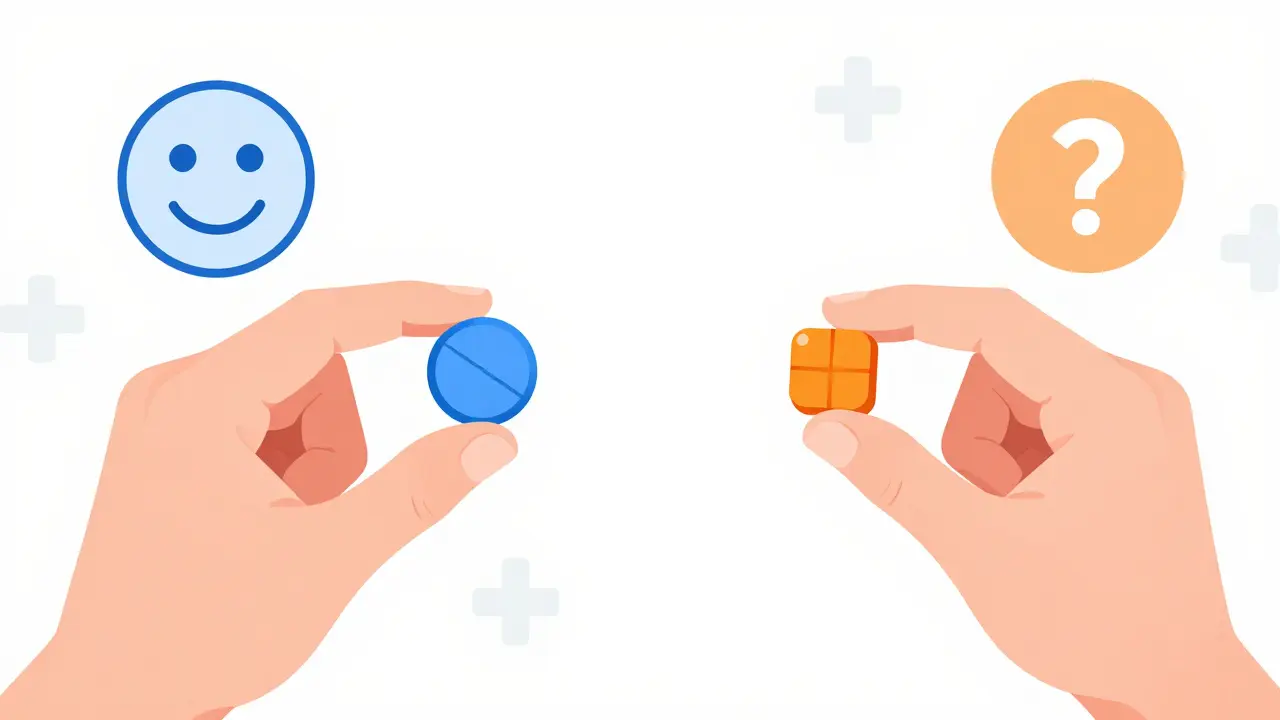
You pick up your prescription, and the pharmacist hands you a pill that looks completely different from the one you’ve taken for years. It’s cheaper, sure, but is it just as effective? This question haunts millions of patients every year. The pharmaceutical industry tells us generics are identical to brand-name drugs. Your doctor might say they’re fine. But when you see the color change or the shape shift, doubt creeps in. Is this new pill going to work the same way?
The short answer is yes, for most people, most of the time. But "most" doesn’t cover everyone. Recent clinical studies paint a more complex picture than the simple "generics are equal" slogan suggests. While the vast majority of switches go without a hitch, specific groups of medications and patient profiles reveal cracks in the armor of assumed equivalence. Understanding where those cracks lie can mean the difference between stable health and a trip to the emergency room.
How Generics Get Approved: The Bioequivalence Standard
To understand why some switches cause problems, you first need to know how generics get approved. In the United States, the Food and Drug Administration (FDA) requires generic manufacturers to prove bioequivalence. This means the generic drug must deliver the same amount of active ingredient into your bloodstream within roughly the same timeframe as the brand-name original.
Here is the catch: the FDA allows a margin of error. The generic’s absorption rate must fall within an 80% to 125% range compared to the brand. If the brand delivers 100 units of drug into your blood, the generic can legally deliver anywhere from 80 to 125 units and still be considered equivalent. For many drugs, like antibiotics or painkillers, this variance is negligible. Your body handles the fluctuation easily.
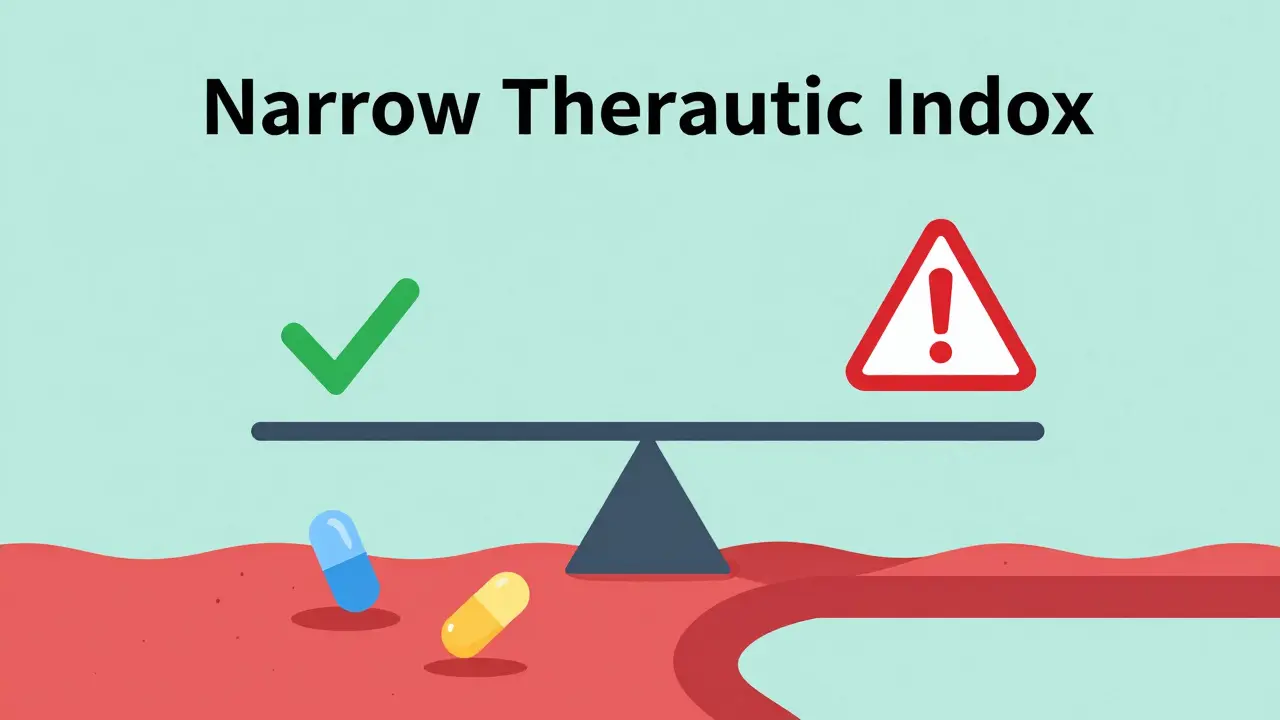
But for drugs with a narrow therapeutic index (NTI), this gap is dangerous. NTI drugs have a tiny window between being effective and becoming toxic. A small drop in concentration can lead to treatment failure; a small spike can cause severe side effects. When you switch brands on these medications, that 20% variability allowed by regulators can push you out of your safe zone.
The Cardiovascular Controversy: Mixed Signals from Data
Heart and blood pressure medications make up a huge chunk of prescriptions, so researchers have scrutinized them closely. The results? They are surprisingly mixed, depending on which study you read.
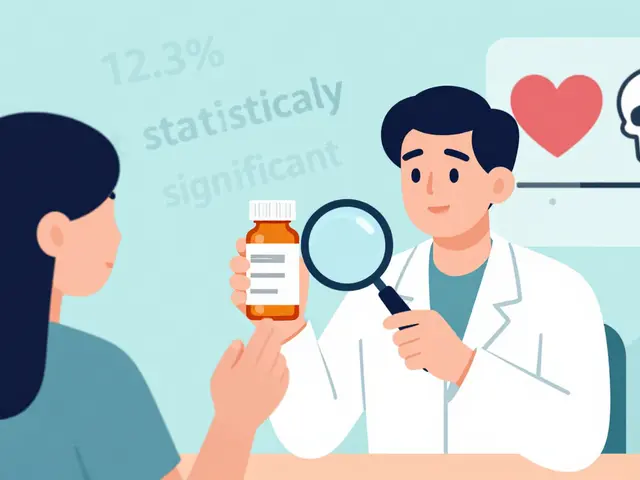
A major 2017 study published in Circulation: Cardiovascular Quality and Outcomes raised red flags. Researchers looked at patients taking common blood pressure meds like amlodipine, lisinopril, and hydrochlorothiazide. They found that after switching to generics, adverse event rates jumped by 12.3% for amlodipine users. Another Canadian study following nearly 90,000 patients showed a 5.4% increase in emergency department visits within six months of switching from brand-name to generic blood pressure drugs.
However, don’t panic yet. A massive 2020 study in Nature Scientific Reports analyzed data from 8.5 million people in Austria. After adjusting for various factors, they found that generic versions of 10 out of 17 cardiovascular drugs were actually associated with fewer deaths and fewer major cardiac events than their brand-name counterparts. For statins like simvastatin and atorvastatin, generics performed better. The exception was beta-blockers like bisoprolol, where generics showed potentially worse outcomes.
What does this mean for you? It means that while generics generally save lives and money, the specific drug matters. A blanket statement that "all heart generics are safe" ignores the nuance found in these large-scale datasets.
Epilepsy: The High-Stakes Exception
If there is one area where the medical community agrees that caution is warranted, it is epilepsy. Seizure control is delicate. Patients often spend years finding the exact dosage that keeps their brain activity stable. Disrupting that balance can be catastrophic.
Clinical evidence here is stark. A retrospective review of 760 epileptic patients found that a significant number had to switch back to brand-name drugs after trying generics due to increased seizure frequency. The side effects weren’t just about seizures either. Patients reported blurred vision, headaches, depression, and memory loss at higher rates with generic levetiracetam.
Another study focusing on phenytoin, another common antiepileptic, found that generic formulations resulted in plasma drug levels that were 22% to 31% lower than the brand-name version. Lower levels mean less protection against seizures. The American Academy of Neurology explicitly states that while most patients can use generics, physicians should monitor drug levels closely during switches and consider sticking to brand names for unstable cases.
| Drug Class | Risk Level | Key Finding from Studies | Recommendation |
|---|---|---|---|
| Antiepileptics (e.g., Phenytoin, Levetiracetam) |
High | 22-31% lower plasma levels; increased seizure frequency and side effects. | Monitor serum levels closely; consider staying on brand if stable. |
| Beta-Blockers (e.g., Bisoprolol) |
Moderate | Some studies show reversed association (worse outcomes) with generics. | Consult physician before switching; watch for symptom changes. |
| Statins (e.g., Atorvastatin, Simvastatin) |
Low | Generics associated with fewer deaths and cardiac events in large cohorts. | Safe to switch; high adherence rates observed. |
| General Pain/Antibiotics | Very Low | No clinically significant differences in efficacy or safety. | Switch freely to save costs. |
The Hidden Cost of Confusion: Adherence and Identity
It’s not just about chemistry; it’s about psychology and logistics. A 2023 study tracking medication patterns over five years uncovered a startling lack of awareness among patients. Of 218 patients who were switched from one generic manufacturer to another, only 19.7% knew what condition their medication was treating. Most identified their pills by physical traits-color, shape, or scoring marks.
This leads to dangerous errors. When a pharmacy switches suppliers, the pill looks different. Patients who rely on visual cues may think they’ve been given the wrong drug, leading them to skip doses or stop taking the medication entirely. In fact, 11.5% of patients experienced unrecognized medication duplication because they didn’t realize two differently colored pills were the same drug. Furthermore, 12.8% of patients switched back from generic to brand simply because they didn’t trust the new look, driving up healthcare costs unnecessarily.
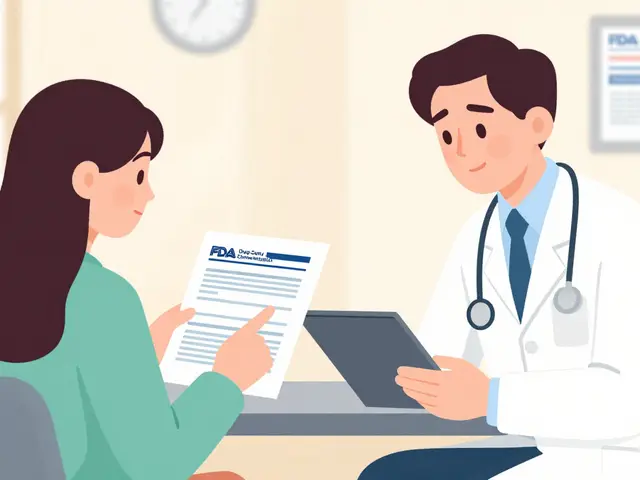
For doctors, this creates a communication gap. Many physicians assume patients understand that a generic switch is standard procedure. They don’t. Active discussion about the switch plays a crucial role in whether a patient accepts the substitution and stays adherent to their therapy.
Who Should Worry? Identifying Your Risk Profile
Not everyone needs to demand brand-name drugs. For the average person taking ibuprofen for a headache or amoxicillin for an infection, the generic is perfectly safe and smart financially. However, you should pay closer attention if you fall into one of these categories:
- You take Narrow Therapeutic Index (NTI) drugs: These include warfarin (blood thinner), lithium (mood stabilizer), thyroid hormones, and certain anti-seizure meds. Small changes matter here.
- You have unstable conditions: If your epilepsy, bipolar disorder, or heart failure is recently diagnosed or currently fluctuating, stability is key. Don’t introduce variables like generic switches during turbulent times.
- You take multiple medications: Polypharmacy increases the risk of interactions. Changing one component of the mix can alter how others are absorbed or metabolized.
- You have genetic metabolic variations: Emerging research suggests that polymorphisms in liver enzymes (like CYP2C9) can make some people more sensitive to concentration variations between brands and generics.

Practical Steps for a Safe Switch
If you are considering switching or have already been switched, take control of the process. Don’t just accept the new bottle silently.
- Talk to your pharmacist: Ask if the generic is from the same manufacturer as before. Sticking with one manufacturer reduces variability, even within the generic category.
- Monitor for symptoms: Keep a diary for the first few weeks. Note any new headaches, dizziness, mood changes, or return of old symptoms. Be specific about timing.
- Request blood tests: For NTI drugs, ask your doctor for therapeutic drug monitoring. Check your levels before the switch and again 2-4 weeks after. Data beats guesswork.
- Don’t self-adjust: If you feel worse, don’t double up on pills or stop taking them. Call your doctor immediately. They may adjust the dose or authorize a brand-name exception.
The Bottom Line: Trust, But Verify
Generic drugs are a cornerstone of modern healthcare, saving billions annually and making treatment accessible. The science overwhelmingly supports their safety for the majority of patients and medications. However, the "one size fits all" approach fails for those on critical, narrow-margin therapies.
Research reassures us that for most, the switch is seamless. But for those managing epilepsy, complex heart conditions, or psychiatric disorders, the data demands vigilance. You are not being difficult if you ask questions. You are being proactive. Use the clinical evidence to guide your conversation with your healthcare provider, ensuring that cost savings never come at the expense of your health.
Are generic drugs exactly the same as brand-name drugs?
No, they are not chemically identical in every aspect, though they contain the same active ingredient. Generic drugs must meet bioequivalence standards, meaning they deliver the same amount of active ingredient into the bloodstream within a similar timeframe. However, they can differ in inactive ingredients (fillers, dyes) and are allowed a 80-125% variance in absorption rates, which can matter for sensitive patients.
Is it safe to switch from brand to generic for epilepsy medication?
It can be risky. Clinical studies show that switching to generic antiepileptics like phenytoin or levetiracetam can lead to lower blood drug levels and increased seizure frequency. The American Academy of Neurology recommends close monitoring of drug levels and suggests that some patients, especially those with unstable epilepsy, may need to stay on brand-name products.
Why do my generic pills look different from my brand-name ones?
Generic manufacturers cannot copy the trade dress (color, shape, imprint) of brand-name drugs due to trademark laws. Additionally, different generic companies use different inactive ingredients and manufacturing processes, resulting in varied appearances. This visual change is normal but can cause confusion for patients who identify meds by sight.
Do generic blood pressure medications work as well as brand names?
Most studies show they are equally effective, and some large-scale research even suggests generics may have better adherence rates and slightly better outcomes for certain drugs like statins. However, some smaller studies have noted increased adverse events or ER visits for specific drugs like amlodipine after switching. Individual response varies, so monitoring is key.
Can I refuse a generic substitution at the pharmacy?
Yes, in most jurisdictions, patients have the right to request the brand-name medication, though you may have to pay the full price difference. Some insurance plans require prior authorization for brand names. Always check with your insurer and doctor to understand the financial and clinical implications of refusing the generic.
 Medications

![Buy Generic Zovirax (Acyclovir) Online Cheap in the UK [2025]: Safe, Legal, and Fast](/uploads/2025/08/thumbnail-buy-generic-zovirax-acyclovir-online-cheap-in-the-uk-2025-safe-legal-and-fast.webp)