

It is one of the most persistent myths in modern medicine. You get a prescription for amoxicillin for a sore throat or sinus infection, and your pharmacist-or maybe a well-meaning friend-warns you that it will stop your birth control pills from working. So, you buy condoms, stress out about potential pregnancy, and wonder if all those years of worry were for nothing. The short answer? For almost every antibiotic you will ever take, the warning is unnecessary. But for a tiny, specific group of drugs, the risk is very real. Knowing the difference saves you anxiety and protects your health.
The confusion dates back to the 1970s when early case reports suggested that antibiotics might interfere with hormonal contraception. Since then, decades of rigorous research have cleared up the picture. Today, major health organizations like the Centers for Disease Control and Prevention (CDC) and the American College of Obstetricians and Gynecologists (ACOG) agree on a simple rule: most antibiotics do not reduce the effectiveness of birth control. However, there are exceptions. Understanding which ones they are-and why-empowers you to make smarter decisions about your reproductive health without relying on outdated fear.
The Myth: Why We Think All Antibiotics Fail Birth Control
To understand why this myth persists, we have to look at how oral contraceptives work. Combined hormonal contraceptives contain two synthetic hormones: ethinyl estradiol (a form of estrogen) and progestin. These hormones prevent ovulation, thicken cervical mucus, and thin the uterine lining. When you swallow a pill, your gut bacteria play a minor role in recycling some of the estrogen so your body can reabsorb it. The theory behind the myth was that broad-spectrum antibiotics would kill these gut bacteria, interrupting the recycling process and lowering hormone levels enough to cause ovulation.
However, science has debunked this mechanism for common antibiotics. A 2011 systematic review published in the journal *Contraception* analyzed 14 studies and found that penicillin-class antibiotics do not reduce gut bacterial concentrations enough to affect estrogen absorption. Serum estradiol levels remained within normal ranges (200-400 pg/mL) even during treatment. Furthermore, the CDC’s 2020 analysis of 35 clinical trials confirmed that non-rifamycin antibiotics do not lower contraceptive hormone concentrations to sub-therapeutic levels (below 50 pg/mL for ethinyl estradiol). In plain English: taking amoxicillin or azithromycin does not strip your body of the hormones needed to prevent pregnancy.
Despite this evidence, the myth lives on. A 2022 survey by Planned Parenthood found that 62% of patients believed antibiotics reduced birth control effectiveness. This gap between medical consensus and public belief creates unnecessary stress. Many women use backup contraception unnecessarily because they trust the old warning over current data. It is crucial to recognize that while the risk is negligible for most drugs, it is not zero for all medications.
The Exception: Enzyme-Inducing Antibiotics
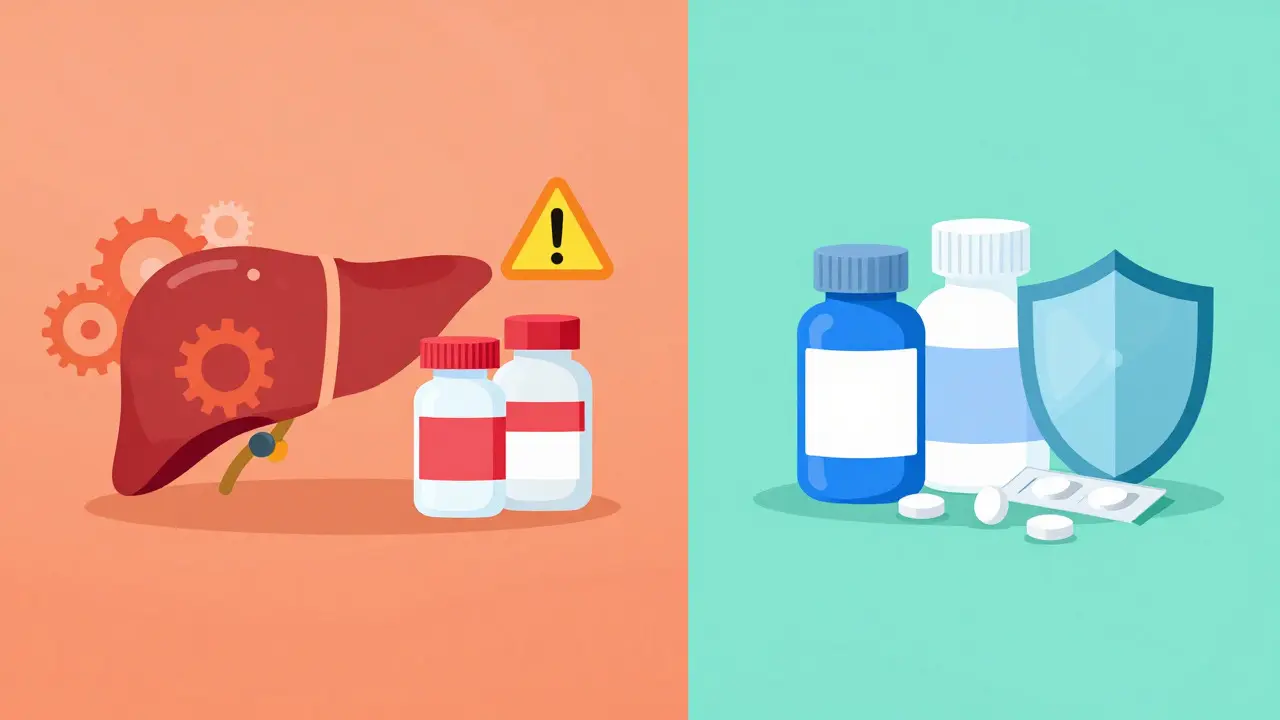
If most antibiotics are safe, which ones are dangerous? The answer lies in a specific class of drugs known as enzyme inducers. These medications speed up the activity of cytochrome P450 enzymes in the liver. Your liver uses these enzymes to break down substances in your blood, including the hormones in your birth control pill. When an enzyme inducer ramps up this activity, your liver metabolizes the contraceptive hormones faster than usual, dropping their levels in your bloodstream below the threshold needed to prevent ovulation.
The primary culprits are:
- Rifampin (brand name Rifadin): Used primarily to treat tuberculosis (TB) and sometimes meningitis.
- Rifabutin (brand name Mycobutin): Also used for TB, particularly in patients with HIV who cannot tolerate rifampin.
- Griseofulvin: Technically an antifungal medication, not an antibiotic, but often grouped here due to its similar effect. It treats fungal skin infections like ringworm.
Rifampin is the most potent offender. Introduced in 1967, it increases liver enzyme activity by up to 300%. According to a 2018 study in *Pharmacotherapy*, rifampin reduces ethinyl estradiol plasma concentrations by 25-50% and progestin concentrations by 14-37%. This significant drop can lead to breakthrough bleeding and, more importantly, unintended pregnancy. The CDC classifies these interactions as Category 3, meaning the theoretical or proven risks usually outweigh the advantages of using combined hormonal contraception without backup.
It is vital to distinguish these from similarly named drugs. For example, Rifaximin (Xifaxan), approved in 2004 for traveler's diarrhea, does NOT interact with birth control. The names sound alike, but their chemical structures and effects on the liver are completely different. Always check the exact spelling of your medication.
Common Antibiotics That Are Safe
You likely know many of these names because they are prescribed for everyday ailments like urinary tract infections, strep throat, acne, and sinus infections. Extensive research shows these drugs have no clinically significant impact on contraceptive hormone levels.
| Antibiotic Name | Common Uses | Interaction Risk |
|---|---|---|
| Amoxicillin | Strep throat, ear infections, sinusitis | None |
| Azithromycin (Zithromax) | Lung infections, chlamydia | None |
| Doxycycline (Vibramycin) | Acne, Lyme disease, UTIs | None |
| Ciprofloxacin (Cipro) | Urinary tract infections, bone infections | None |
| Metronidazole (Flagyl) | Bacterial vaginosis, anaerobic infections | None |
| Nitrofurantoin (Macrobid) | Urinary tract infections | None |
Even though these drugs are safe regarding hormone metabolism, there is a secondary factor to consider: illness itself. If you have vomiting or severe diarrhea while taking an antibiotic, you may not absorb your birth control pill properly. This is not because of the drug interaction, but because the pill didn't stay in your system long enough to be absorbed. If you vomit within two hours of taking your pill, you should follow the instructions in your package insert, which usually involve taking another pill immediately and using backup contraception for seven days.
Other Medications That Interfere With Contraception
While we focus heavily on antibiotics, other classes of medications pose a much higher risk of reducing birth control effectiveness. It is important to be aware of these if you are managing chronic conditions.
Antiseizure drugs are a major category. Certain medications used to treat epilepsy, such as carbamazepine, phenytoin, and topiramate (at doses above 200 mg/day), induce liver enzymes similarly to rifampin. The American Academy of Neurology’s 2020 guidelines highlight this interaction. Women on these medications often require higher-dose contraceptive pills or alternative methods like intrauterine devices (IUDs).
Antiretroviral therapy for HIV also presents challenges. Drugs like efavirenz and nevirapine can lower hormone levels. The World Health Organization’s 2019 HIV treatment guidelines recommend considering additional barrier methods or long-acting reversible contraceptives (LARCs) for patients on these regimens.
Perhaps surprisingly, herbal supplements can be just as potent as pharmaceuticals. St. John’s wort (Hypericum perforatum), commonly used for mild depression, is a strong enzyme inducer. A 2017 study in *Clinical Pharmacology & Therapeutics* reported that it can reduce ethinyl estradiol levels by up to 57%. If you take St. John’s wort daily, you should assume your birth control pill is less effective unless you use a non-hormonal method like a copper IUD.

Practical Guidance: What Should You Do?
Navigating this information can feel overwhelming, especially when you receive conflicting advice from different healthcare providers. Here is a clear, actionable plan based on current CDC and ACOG guidelines.
- Check the Name: Is your medication Rifampin, Rifabutin, or Griseofulvin? If yes, you must use backup contraception (like condoms) during treatment and for 28 days after finishing the course. If no, you likely do not need backup.
- Consider the Illness: Are you vomiting or having severe diarrhea? If yes, treat it as a missed pill. Use backup contraception for seven days after your symptoms resolve.
- Talk to Your Pharmacist: Pharmacists are experts in drug interactions. Ask specifically: "Does this medication induce liver enzymes?" If they say no, you can relax.
- Don't Panic Over Amoxicillin: If you are taking a common antibiotic for a routine infection, trust the science. The risk of pregnancy is extremely low, comparable to your baseline failure rate with the pill alone.
Some providers, like those cited in the American Academy of Family Physicians’ 2019 publication, still recommend a conservative approach for all antibiotics. While this is not medically necessary for most cases, it provides peace of mind for anxious patients. If using condoms for a week makes you feel safer, there is no harm in doing so. However, do not let this precaution cause undue stress or financial burden if it is not required.
Why the Myth Persists
Why does this misinformation survive in the age of digital health records and instant access to medical journals? Partly, it is inertia. Medical training materials updated slowly, and older doctors may still teach the cautionary tale from the 1970s. Additionally, patient anecdotes fuel the fire. On Reddit’s r/TwoXChromosomes, a 2023 thread showed 78% of comments expressing concern, driven by personal stories of unexpected pregnancies. However, as Dr. Eve Espey, past chair of ACOG’s Committee on Gynecologic Practice, noted in a 2020 interview, many of these cases involved user error (missing pills) or the rare use of rifampin, not common antibiotics.
Dr. Jen Gunter, an OB/GYN and author of *The Menopause Manifesto*, emphasizes that there is "zero evidence" that common antibiotics like amoxicillin affect birth control. Yet, a 2022 study in the *Journal of the American Pharmacists Association* found that 35% of pharmacists still advise backup contraception for all antibiotics. This discrepancy highlights a critical need for better provider education and clearer communication with patients.
As consumers of healthcare, we have the power to change this narrative. By asking informed questions and trusting evidence-based guidelines, we can reduce unnecessary anxiety. Remember, your birth control pill is highly effective when taken correctly. Don't let a myth undermine your confidence in it.
Do I need to use condoms while taking amoxicillin for a UTI?
No. Amoxicillin does not interact with hormonal birth control. Unless you are experiencing vomiting or severe diarrhea that prevents pill absorption, your birth control remains effective. Using condoms is optional for peace of mind but not medically required.
How long after stopping rifampin do I need backup contraception?
You should use backup contraception, such as condoms, during the entire course of rifampin treatment and for 28 days after your last dose. This allows your liver enzyme levels to return to normal and ensures your hormone levels stabilize.
Can St. John's wort make my birth control fail?
Yes. St. John's wort is a potent enzyme inducer that can significantly lower estrogen levels in your blood. If you take this supplement regularly, you should consider using a non-hormonal contraceptive method like a copper IUD or always use backup barriers.
What if I throw up after taking my birth control pill while on antibiotics?
If you vomit within two hours of taking your pill, treat it as a missed pill regardless of the antibiotic. Take another pill as soon as possible and use backup contraception for the next seven days. This is due to poor absorption, not a drug interaction.
Is Rifaximin safe to take with birth control pills?
Yes. Rifaximin (Xifaxan) is often confused with Rifampin due to similar names, but it does not induce liver enzymes and does not reduce the effectiveness of hormonal contraceptives. No backup contraception is needed.
 Medications




Jasmine Agito
July 17, 2026 AT 14:26I work in a pharmacy and I cannot tell you how many times I have to correct this misconception. It is actually quite frustrating when patients come in terrified that their amoxicillin will render their birth control useless because of some outdated advice they heard from a friend or an old textbook. The science is very clear on this now, yet the fear persists. I always take the time to explain the difference between enzyme inducers like rifampin and common antibiotics. It gives them peace of mind and saves them from unnecessary anxiety. We need more education on this topic so people can trust the current medical guidelines.
Marie-Gladys Darcelin
July 18, 2026 AT 23:36It is absolutely disgraceful that such a pervasive myth continues to circulate despite overwhelming evidence to the contrary. One would think that with access to modern information, individuals would be more discerning about the sources of their health advice. Relying on anecdotal horror stories rather than clinical data is simply negligent. If you are intelligent enough to read this post, you should be intelligent enough to understand that amoxicillin does not magically dissolve your hormones. Stop spreading fear based on ignorance and start trusting the rigorous studies conducted by reputable organizations. It is time we hold ourselves to a higher standard of critical thinking regarding our own health.
Kyle Bonnette-Lykens
July 20, 2026 AT 13:29i mean sure the studies say it doesnt matter but ive seen things happen that dont fit the stats. my cousin got pregnant while on amox and she swore she took her pills every day. maybe its just bad luck for some people. why risk it if condoms are free anyway
Tony Malvagna
July 21, 2026 AT 18:10hey kyle look i get where ur coming from but correlation isnt causation dude. there are so many reasons bc fails besides just the abx. missing a pill vomiting stress all that stuff. the body is complex yeah but we gotta trust the data mostly. its like driving a car sure accidents happen but u dont stop driving just cuz. keep an open mind man life is too short to worry about everything lol
Deva Vidya
July 21, 2026 AT 19:10This is such a relief to read! I have been stressing out every time I need antibiotics for my sinus infections. My doctor never mentioned this distinction before, she just told me to use backup methods as a precaution. Knowing that only specific drugs like rifampin are the real issue makes me feel much more empowered to manage my health. Thank you for breaking down the science so clearly. It helps to know that I don't need to panic over common prescriptions. I will definitely share this with my friends who are also worried about this.
Jamie Rogers
July 23, 2026 AT 06:52Wow, this is such an important discussion! I was completely unaware that St. John's Wort could have such a significant impact on birth control effectiveness. I take it occasionally for mild mood swings, so this is a huge wake-up call for me. It is wild to think that herbal supplements can be just as potent as pharmaceuticals in this regard. I am going to talk to my pharmacist immediately to check all my current meds. Thanks for highlighting this hidden danger! It really shows how interconnected everything is in our bodies.
ANINDA GHOSH
July 24, 2026 AT 15:35In my culture, we often rely heavily on traditional remedies and herbal supplements without fully understanding their pharmacological interactions. This article sheds light on a critical gap in knowledge that affects many communities globally. It is fascinating how the liver enzymes play such a pivotal role in metabolizing these compounds. We must bridge the gap between traditional practices and modern medical science to ensure safety. The mention of Griseofulvin being an antifungal yet having similar effects is a great point. Awareness is key here :)
MiMi Stanley
July 25, 2026 AT 11:33I just needed to see someone else say that vomiting is the real issue, not the drug itself. It makes so much sense logically. If the pill doesn't stay down, it doesn't work. Simple as that. I used to buy extra condoms every time I had a UTI because of this myth. What a waste of money and mental energy. Glad to finally have clarity on this.