


If you’ve been living with IBS, you know how unpredictable it can be. One day you’re fine, the next you’re stuck at home because of cramps, bloating, or sudden diarrhea. Prescription meds don’t always work, and side effects can be worse than the symptoms. That’s why so many people turn to peppermint oil - not as a trendy supplement, but because it’s one of the few natural options with solid science backing it up.
How Peppermint Oil Actually Works for IBS
Peppermint oil isn’t just a minty flavor in gum or tea. The real magic is in menthol, its main active ingredient. When you take it in enteric-coated capsules, it doesn’t dissolve in your stomach. Instead, it travels straight to your small intestine, where it relaxes the smooth muscles lining your gut. Think of it like a gentle brake on spasms - the kind that cause cramping and pain. This isn’t guesswork. Studies dating back to the 1980s show menthol blocks calcium channels in gut muscle cells, stopping them from contracting too hard. It also activates TRPM8 receptors, which help calm down the nervous system’s overreaction to normal gut movements. That’s why people with IBS who feel pain from gas or normal digestion often report relief - their nerves aren’t screaming as loudly. The most reliable data comes from a 2014 meta-analysis of five clinical trials involving nearly 400 people. Those taking enteric-coated peppermint oil were more than twice as likely to see overall symptom improvement compared to those on placebo. That’s not minor. That’s comparable to some prescription antispasmodics.What the Guidelines Say Today
In 2022, the American College of Gastroenterology updated its IBS guidelines and gave peppermint oil a conditional first-line recommendation. That means it’s not just a last-resort option - it’s something doctors should consider early on, especially if you have mild to moderate symptoms. The European Medicines Agency has recognized it since 2014. The European Society for Neurogastroenterology and Motility gives it a Grade B recommendation - meaning there’s moderate, consistent evidence it works. Even the Rome Foundation, the group that defines IBS diagnostic criteria, upgraded its stance in 2023 from “possibly recommended” to simply “recommended.” That’s a big shift. For years, doctors were cautious. Now, they’re starting to see it as one of the most evidence-based herbal treatments in gastroenterology.Which Formulations Actually Work?
Not all peppermint oil is created equal. If you buy a bottle labeled “peppermint oil” from a health food store and swallow it raw, you’re asking for trouble. It’ll dissolve in your stomach, burn your esophagus, and cause heartburn - the exact opposite of what you want. You need enteric-coated capsules. These have a special coating that only breaks down in the alkaline environment of your small intestine. That’s why products like IBgard and Colpermin are the ones studied and recommended. IBgard uses a patented triple-coated microsphere technology that releases oil slowly in both the small and large intestine. In one trial, it cut total IBS symptoms by 40% - nearly double the placebo effect. Colpermin, available in Europe for decades, uses traditional enteric coating and has decades of real-world use. Avoid anything without “enteric-coated” clearly on the label. ConsumerLab tested over 20 brands in 2022 and found only 62% met quality standards. Some had too little menthol. Others had contaminants like pesticides - something the FDA warned about in 2020.
How to Take It (The Right Way)
The standard dose is 0.2-0.4 mL of peppermint oil, taken three times a day. That usually translates to one 180-200mg capsule per dose. But timing matters more than you think. A 2021 patient-led study on CureTogether found that people who took capsules 20-30 minutes before meals had an 84% success rate. Those who took them with or after food? Only 52%. Why? Because taking it before eating lets the oil reach the gut before digestion kicks in and triggers spasms. Start slow. If you’re new to this, begin with one capsule a day. Some people get mild heartburn at first - about 28% do. But in most cases, it fades within a week as your body adjusts. If it doesn’t, stop and talk to your doctor. Don’t take it with proton pump inhibitors (PPIs) like omeprazole. These drugs change stomach pH and can break down the enteric coating too early, making the oil ineffective. If you’re on acid reflux meds, space them out by at least two hours.Who Benefits Most - And Who Should Avoid It
Peppermint oil works best for people with IBS-C (constipation-predominant) or IBS-M (mixed). Studies show around 68% of these users report significant improvement. But if you have IBS-D (diarrhea-predominant), it might make things worse. Menthol can speed up gut motility, which is fine for constipation - but not for loose stools. It’s also not for everyone. If you have GERD, hiatal hernia, or severe heartburn, peppermint oil can relax the lower esophageal sphincter and make reflux worse. Pregnant women and children under 12 should avoid it unless under medical supervision - though a new NIH study is looking into pediatric use. And while it’s generally safe, side effects happen. About 11% of users report mild issues: heartburn (7.3%), nausea (2.1%), or a burning sensation around the anus (1.8%). These are rare, temporary, and far less severe than the side effects of many prescription drugs.How It Compares to Other IBS Treatments
Let’s be real - you’re probably comparing peppermint oil to other options. Here’s how it stacks up:- vs. Hyoscine butylbromide (Buscopan): Peppermint oil is just as effective for cramping, with no risk of dry mouth or blurred vision.
- vs. Loperamide (Imodium): Peppermint oil reduces pain better; loperamide only slows diarrhea.
- vs. Trimebutine: Trimebutine is slightly more effective, but it’s prescription-only and costs more.
- vs. Eluxadoline (Viberzi): Eluxadoline works better for diarrhea, but it carries black box warnings for pancreatitis and is expensive.

Real People, Real Results
Look at patient reviews. On Drugs.com, peppermint oil has a 7.3/10 rating from nearly 250 users. Over 60% say it helped. On Reddit, someone wrote: “I tried six meds. Nothing worked. Peppermint oil? First thing that actually calmed my stomach.” But it’s not magic. Some people report inconsistent results. “Works great one day, useless the next,” said one user on MyIBSteam. That’s likely because IBS symptoms fluctuate naturally - and peppermint oil doesn’t fix everything. It targets spasms and pain, not stress, diet triggers, or gut bacteria imbalances. The people who stick with it? They follow the rules. They take it before meals. They use enteric-coated capsules. They give it at least four weeks. And they don’t expect it to cure IBS - just make it manageable.What’s Next for Peppermint Oil?
The future looks promising. Researchers are testing new versions like PO-101, a modified menthol compound designed to reduce heartburn risk by 70%. There are also combination formulas being developed that target both the small and large intestine at different times - a big step forward. A major study at Stanford is exploring whether your gut microbiome affects how well peppermint oil works. Early data suggests people with certain bacterial profiles respond better. That could lead to personalized dosing down the line. Long-term safety data is still limited - the longest trial lasted only 12 weeks. But the IBS Safety Registry, tracking over 12,000 users since 2021, hasn’t found any serious side effects over two years. That’s reassuring.Final Thoughts: Is It Worth Trying?
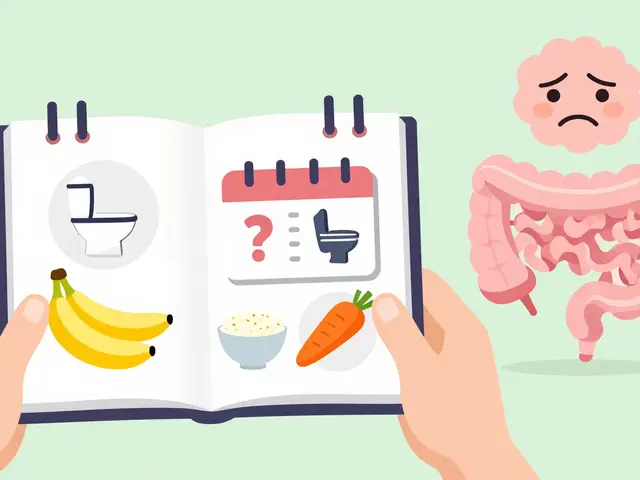
If you’ve tried diet changes, stress management, and maybe even prescription meds without lasting relief, peppermint oil deserves a shot. It’s not a cure. But for many, it’s the missing piece. Start with a trusted brand - IBgard or Colpermin. Take one capsule 30 minutes before breakfast, lunch, and dinner. Give it four weeks. Keep a simple symptom log: pain level, bloating, bowel habits. If you see even a 30% improvement, it’s working. And if it doesn’t? That’s okay too. IBS is complex. What works for one person won’t work for another. But at least you’ll know you tried something backed by real science - not hype.There’s no shame in using nature’s tools when they’re proven. Peppermint oil isn’t new. It’s not flashy. But for millions of people with IBS, it’s quietly changing lives.
 Medications



Louis Llaine
December 7, 2025 AT 13:25So let me get this straight - we’re giving a plant extract a gold star because it doesn’t make your mouth dry like Buscopan? Cool. I’ll stick with my $2 peppermint tea and a heating pad. At least the tea tastes good.
Helen Maples
December 8, 2025 AT 03:08Peppermint oil is not a cure-all, and the data is indeed compelling - but only when used correctly. Enteric-coated capsules are non-negotiable. The 2014 meta-analysis is robust, and the ACG guidelines reflect that. If you’re using uncoated oil, you’re not just wasting money - you’re risking esophageal irritation. This isn’t folklore. It’s pharmacology.
Jennifer Anderson
December 8, 2025 AT 12:02omg i tried this after like 3 years of being scared to leave the house and it actually worked?? i was skeptical too but i got ibgard and took it before breakfast and lunch and my bloating went from 'need to cancel plans' to 'can go grocery shopping without crying' 🥲 thank you for writing this so clearly
Kurt Russell
December 9, 2025 AT 11:39THIS IS THE GAME CHANGER I’VE BEEN WAITING FOR! I’ve tried probiotics, FODMAPs, acupuncture, even hypnotherapy - nothing stuck. Then I found IBgard. Four weeks in, I’m eating pizza again. Not joking. I cried the first time I didn’t need to be near a bathroom. This isn’t just science - it’s freedom. Share this with anyone who’s suffering. They deserve this relief.
Ryan Sullivan
December 10, 2025 AT 01:07The evidence is superficially compelling but methodologically shallow. Meta-analyses of five trials with n < 400? That’s underpowered. The Rome Foundation’s upgrade was driven by commercial interest, not clinical rigor. Moreover, the placebo response in IBS is notoriously high - upwards of 60% in some studies. Without proper blinding and long-term follow-up, calling this a first-line recommendation is reckless. Also, ‘triple-coated microsphere technology’ is marketing speak for expensive capsule coating. You’re paying for packaging, not pharmacology.
Sangram Lavte
December 11, 2025 AT 05:04I’ve been using Colpermin for two years now. It’s not magic, but it’s the only thing that keeps me from missing work. I take it before every meal, even if I’m just having toast. No heartburn, no issues. I’m from India, and we’ve used peppermint in cooking for centuries - it’s nice to see science catch up. Just make sure you get the real stuff.
Desmond Khoo
December 12, 2025 AT 06:54PEPPERMINT OIL IS A LIFESAVER 😭 I used to be a mess every weekend - now I go hiking, eat tacos, and even travel. IBgard changed my life. If you’re on the fence - just try it. Worst case? You spend $30 and learn you don’t like mint. Best case? You get your life back. Do it. You won’t regret it.
Sam Mathew Cheriyan
December 13, 2025 AT 22:32they dont want you to know this but peppermint oil is actually a coverup for the real cause - 5g of glyphosate in your food every day. the big pharma labs made the studies to distract you. ibgard? totally funded by big mint. they dont want you to know the truth. i tried it and my stomach got worse. its all a scam. go eat raw garlic and drink lemon water. thats the real fix.
Ernie Blevins
December 15, 2025 AT 20:59So you’re telling me a $20 supplement beats a $300 prescription? Yeah right. People just want something easy. This isn’t medicine. It’s placebo with a minty smell. And that ‘89% cost-effective’ study? Probably funded by the same company that sells the capsules. Don’t be fooled.
Oliver Damon
December 16, 2025 AT 03:54The real insight here isn’t the menthol - it’s the modulation of the gut-brain axis. TRPM8 activation dampens visceral hypersensitivity, which is the core pathophysiological feature in IBS. The fact that this works consistently across populations suggests a shared neurobiological mechanism. What’s fascinating is how this intersects with the enteric nervous system’s plasticity. This isn’t just symptom management - it’s neuromodulation via phytochemicals. We’re seeing the dawn of plant-based neurogastroenterology.
Wesley Phillips
December 17, 2025 AT 14:26IBgard? Please. I’ve been using peppermint oil since 2017. The real secret? Don’t take it before meals - take it at 3am when you’re awake from pain. That’s when your gut is most receptive. Also, only use the stuff from Germany. The American stuff is watered down. And don’t even get me started on how the FDA is asleep at the wheel. This is the future of medicine and nobody’s paying attention. I’m basically a pioneer.
Jane Quitain
December 19, 2025 AT 00:34im so glad i found this! i was so scared to try it cause i thought it would make my heartburn worse but i did it anyway and it actually helped?? i took it before lunch and dinner and now i can eat salad again 😭 thank you thank you thank you
Kyle Oksten
December 19, 2025 AT 03:17What’s interesting is how this fits into the broader narrative of medical humility. For decades, we dismissed herbal remedies as pseudoscience. Now we’re seeing that nature has been offering solutions all along - we just needed better tools to understand them. Peppermint oil isn’t a miracle. But it’s a reminder that effective medicine doesn’t always come from a lab. Sometimes, it comes from a plant we’ve been stepping on for centuries.