

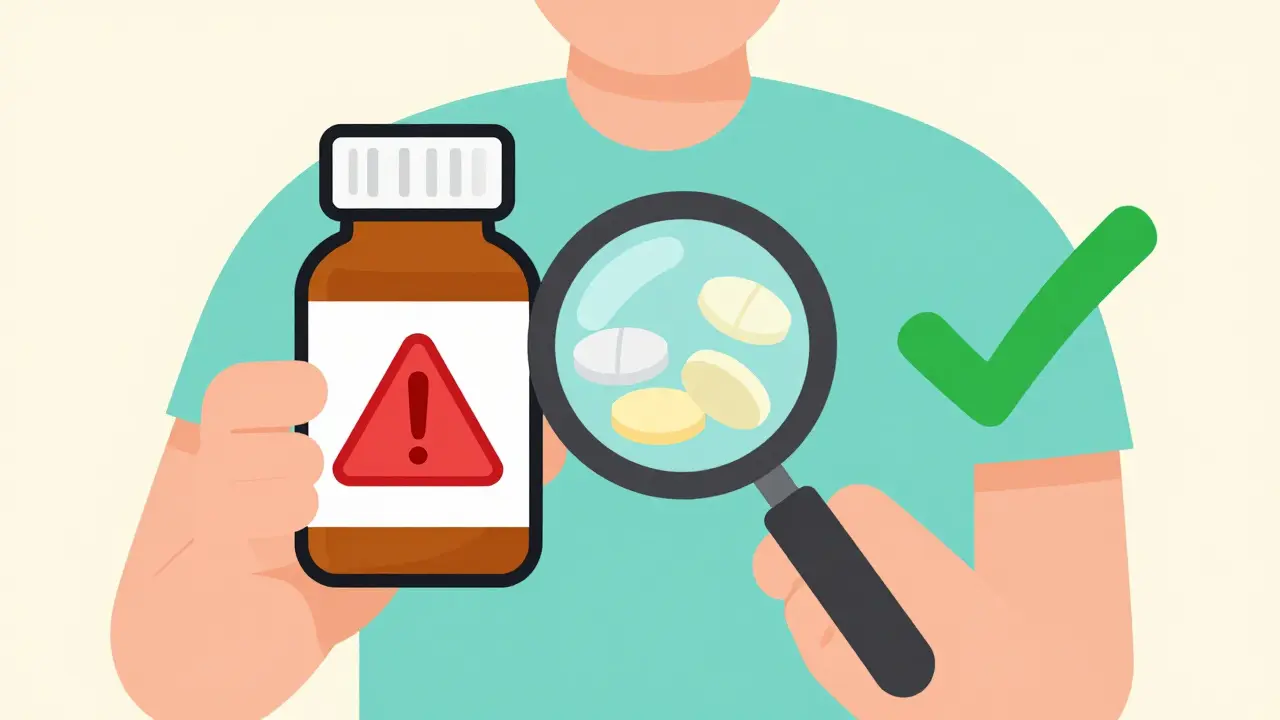
When you're fighting a cold while taking warfarin, the simplest mistake can turn life-threatening. A single dose of an over-the-counter pain reliever might send your INR sky-high, leading to internal bleeding. Or worse - you might think you're being careful because a product says "aspirin-free," but still unknowingly take something that thins your blood just as dangerously. This isn't a hypothetical risk. It's happening to real people every day.
Warfarin (brand name Coumadin) is one of the most common blood thinners in the world. It's prescribed for atrial fibrillation, deep vein thrombosis, and after heart valve replacements. But it's also one of the most dangerous drugs if you don't know what to avoid. Why? Because warfarin has a razor-thin safety margin. Your INR - a blood test that measures how long it takes your blood to clot - needs to stay between 2.0 and 3.0 for most people. Go above 4.0? You risk spontaneous bleeding. Drop below 1.5? You could form a deadly clot. And many OTC cold medications can flip that balance in hours.
What OTC Cold Medications Are Safe?
Not all cold medicines are dangerous. But you can't guess. You have to read labels - and read them twice. Here's what's generally safe:
- Acetaminophen (paracetamol) - This is your go-to for fever and aches. But only if you stay under 2,000 mg per day. Taking 3,000 mg over three days? That can impair platelet function and raise bleeding risk. Stick to 500 mg every 6 hours - max four doses a day.
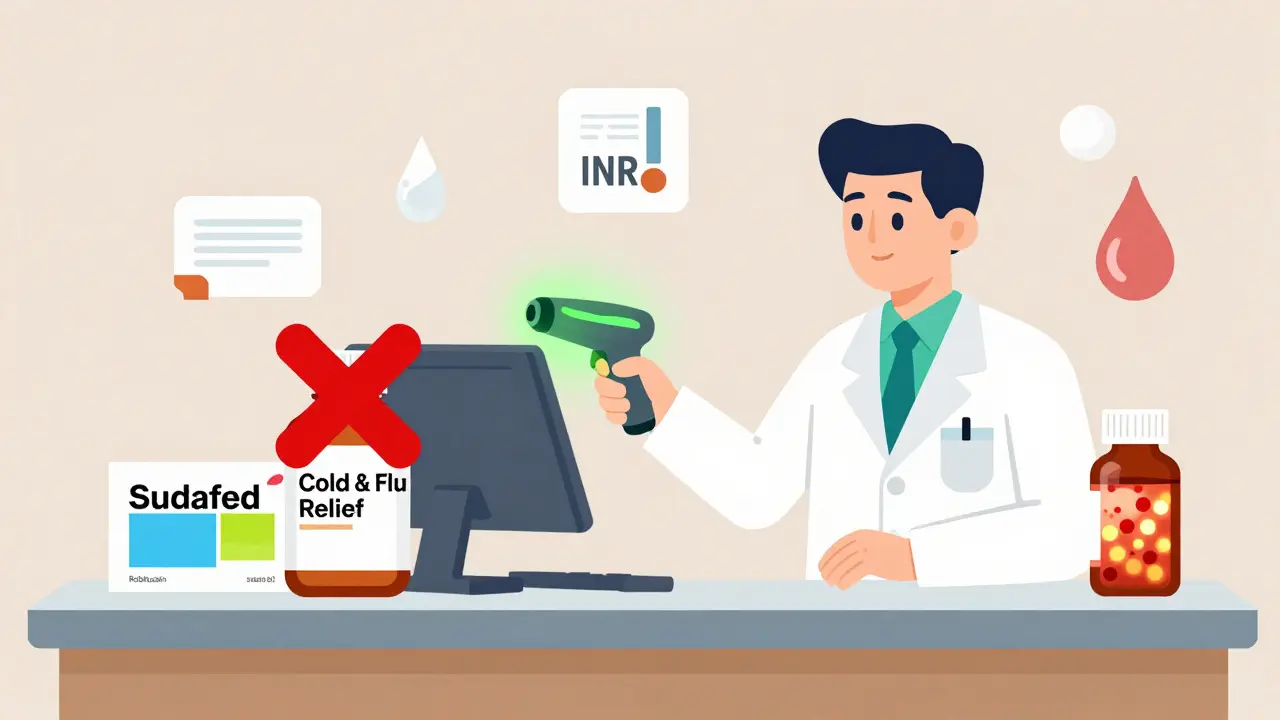
- Pseudoephedrine (Sudafed) - This decongestant is safe at standard doses. It doesn't affect your INR. Avoid the "PE" version (phenylephrine) - it's less effective, but still safe if you can't find pseudoephedrine.
- Antihistamines - First-generation ones like diphenhydramine (Benadryl) and chlorpheniramine (Chlor-Trimeton) don't interfere with warfarin. Second-generation options like cetirizine (Zyrtec) and loratadine (Claritin) are even better - they don't cause drowsiness and are just as safe.
- Guaifenesin - Found in Robitussin and Mucinex, this expectorant helps loosen mucus. No interaction with warfarin. Stick to plain versions without added pain relievers.
The key? Always choose single-ingredient products. If a bottle says "Cold & Flu Relief," it's probably loaded with hidden dangers.
The Dangerous Ones - And Why They're Deadly
These are the OTC ingredients you must avoid completely unless your anticoagulation team says otherwise:
- NSAIDs - Ibuprofen (Advil, Motrin), Naproxen (Aleve) - These are the biggest killers. They don't just thin your blood - they also damage your stomach lining. Together with warfarin, they increase gastrointestinal bleeding risk by 4.5 times. A 2021 FDA review found that 42% of warfarin-related ER visits involved NSAIDs. Even one dose can spike your INR.
- Aspirin and Salicylates - This includes Bayer, Excedrin, Anacin, and even "aspirin-free" products like Doan's Pills (which contain magnesium salicylate). All of them interfere with platelets. A single 325 mg aspirin tablet can increase bleeding risk by 3.2 times. Low-dose (81 mg) aspirin is sometimes allowed if prescribed for heart protection - but never take it without your doctor's approval.
- Cimetidine (Tagamet) - This is an old-school heartburn pill. It blocks the liver enzyme that breaks down warfarin, causing levels to jump 30-50%. You won't find it on most cold labels, but it's in some stomach remedies. Skip it.
- Quinidine - Some Robitussin products include this in combination with dextromethorphan. Quinidine increases warfarin levels by 25%. Read the fine print.
- Herbal Supplements - St. John’s wort cuts warfarin’s effect by 30-50%, making clots more likely. Ginkgo biloba and fish oil increase bleeding risk by over 2-fold. Even "natural" doesn't mean safe.
Here’s the scary part: 73% of warfarin-NSAID interactions happen because people take multi-symptom cold medicines. They think they’re taking something for congestion and cough - but the label hides an NSAID in the ingredients list.
How to Read Labels Like a Pro
OTC drug labels are designed to confuse. Here’s how to cut through the noise:
- Look for "Active Ingredients" - Not the brand name. Not the "relieves pain and congestion" claim. Scroll down to the tiny list. That’s where the truth is.
- Check for these exact words: Acetylsalicylic acid, ibuprofen, naproxen sodium, magnesium salicylate, ketoprofen.
- Watch for "NSAID" warnings - Since 2022, the FDA requires all OTC NSAID products to display: "WARNING: Do not use if taking blood thinners" in bold type. If you don’t see it, the product might not be FDA-compliant.
- Ignore "aspirin-free" - That doesn’t mean safe. It might still have naproxen or ibuprofen.
- Check the dose - Some products contain 200 mg ibuprofen per tablet. Two tablets = 400 mg. That’s enough to trigger a dangerous interaction.
Pro tip: Hold the bottle up to the light. Many people miss warnings because they’re printed in small, light gray text. If you can’t read it easily, don’t take it.
What to Do When You’re Sick
Don’t wing it. Follow this simple protocol:
- Call your anticoagulation clinic - Before you buy anything. Even if you think it’s "safe." They have updated lists and can recommend specific brands.
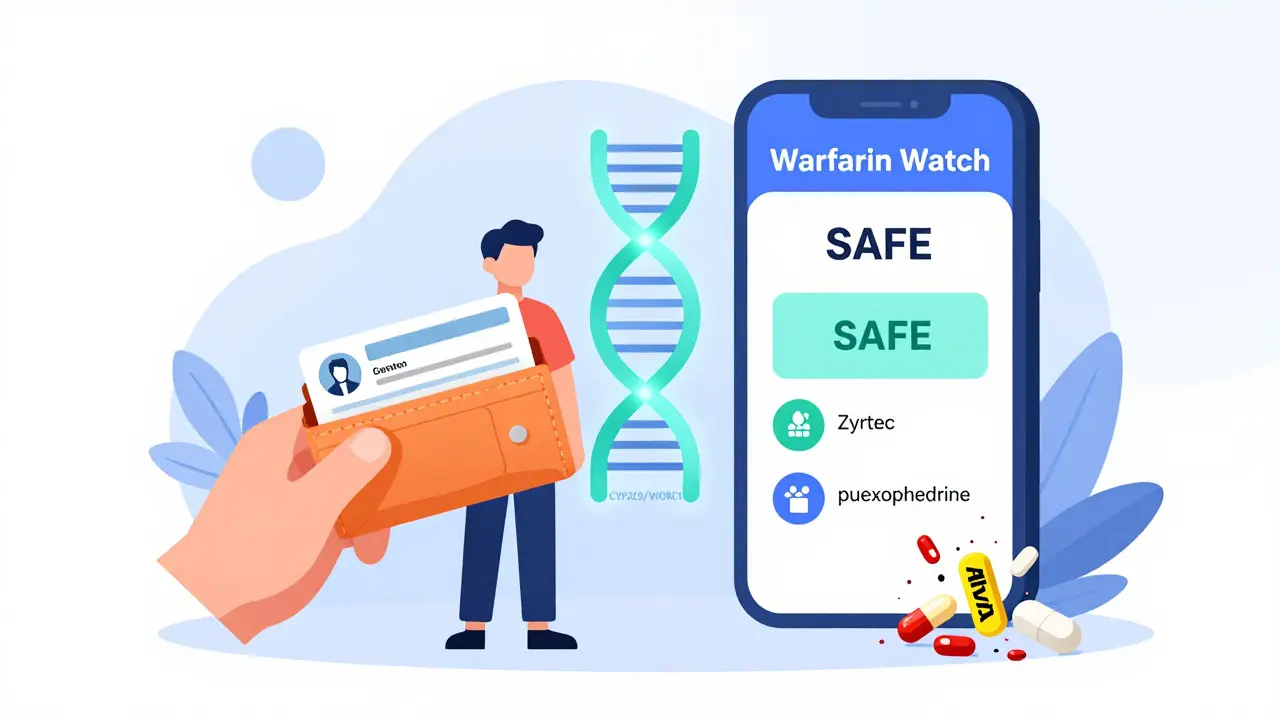
- Get a Medication Safety Card - Many clinics give these out. It lists your approved OTC options and banned ingredients. Keep it in your wallet.
- Use single-ingredient products - One for fever, one for congestion, one for cough. No combos.
- Stick to acetaminophen under 2,000 mg/day - No more, no less.
- Track your INR - If you’re sick, you may need a test sooner than scheduled. Don’t wait.
One patient on a support forum shared that after taking "just two doses of Theraflu," her INR jumped from 2.4 to 6.1 in 72 hours. She ended up in the ER with bleeding in her abdomen. She didn’t know Theraflu contained acetaminophen - and she’d been taking it daily for weeks. The extra dose pushed her over the edge.
New Tools That Can Save Your Life
Technology is catching up. Many pharmacies now use digital scanners that check for warfarin interactions at the register. CVS Health’s 2023 pilot cut dispensing errors by 89%. Mayo Clinic’s "Warfarin Watch" app scans barcodes and tells you instantly if a product is risky. It’s 94% accurate.
Even better? Pharmacogenetic testing. Your genes determine how fast your body breaks down warfarin. If you have certain variants in CYP2C9 or VKORC1 genes, even small doses of OTC drugs can be dangerous. A 2023 Vanderbilt study showed patients who got tested had 37% fewer INR swings during cold season. But here’s the catch: only 18% of warfarin users get this test because insurance rarely covers it.
If you’ve been on warfarin for over a year, ask your doctor: "Can I get tested?" It might be the smartest health decision you ever make.
Real Stories - What Happens When You Ignore the Rules
At a 2023 patient conference in Chicago, 68 people raised their hands when asked who’d accidentally taken an NSAID while on warfarin. Twenty-two of them needed emergency treatment. One man took Aleve for a headache. His INR went from 2.8 to 7.9. He spent 10 days in the hospital. He didn’t know Aleve was an NSAID.
Another woman took "Excedrin Migraine" because she thought it was "just caffeine and acetaminophen." She didn’t see the aspirin listed in small print. Her INR spiked. She had a brain bleed. She survived - but lost part of her vision.
On the flip side, user u/ClotFreeLife on Reddit shared how he managed a 10-day cold with only Zyrtec, Sudafed, and plain Robitussin. His INR stayed steady between 2.2 and 2.6. He called his pharmacist before taking anything. He read every label. He stayed safe.
Your Action Plan
Here’s what you do today:
- Check your medicine cabinet. Toss anything with ibuprofen, naproxen, aspirin, or salicylates.
- Call your anticoagulation clinic. Ask for your personalized OTC safety list.
- Download a barcode scanner app like Warfarin Watch or ask your pharmacist for one.
- Print out a Medication Safety Card and keep it in your wallet.
- Next time you feel a cold coming on - don’t grab the first bottle you see. Call first.
Warfarin saves lives. But it demands respect. Every pill, every drop, every label matters. You’re not being paranoid - you’re being smart. And in this case, being smart means staying alive.
Can I take Tylenol (acetaminophen) while on warfarin?
Yes - but only up to 2,000 mg per day. Taking more than that for three days in a row can increase bleeding risk by affecting platelet function. Stick to 500 mg every 6 hours, and never exceed four doses daily. Always check the label - some cold products contain acetaminophen even if you’re not looking for pain relief.
Is Sudafed safe with warfarin?
Yes, pseudoephedrine (Sudafed) is considered safe at standard doses. It doesn’t affect your INR or increase bleeding risk. Avoid the "PE" version (phenylephrine) - it’s less effective, but still safe. Always choose the plain version without added pain relievers or antihistamines.
Why is ibuprofen dangerous with warfarin?
Ibuprofen is an NSAID that both thins your blood and damages your stomach lining. When combined with warfarin, the risk of gastrointestinal bleeding increases by 4.5 times. Even a single dose can push your INR into dangerous territory. The FDA reports that 42% of warfarin-related ER visits involve NSAIDs like ibuprofen or naproxen.
What about "aspirin-free" cold medicines?
"Aspirin-free" doesn’t mean safe. Many products still contain other NSAIDs like ibuprofen or naproxen. Some even contain magnesium salicylate - a compound that acts like aspirin. Always check the active ingredients list. If you see any of these: acetylsalicylic acid, ibuprofen, naproxen, ketoprofen, or magnesium salicylate - avoid it.
Can herbal supplements interact with warfarin?
Yes - and they’re often overlooked. St. John’s wort reduces warfarin’s effectiveness by 30-50%, increasing clot risk. Ginkgo biloba and fish oil can increase bleeding risk by over 2-fold. Even "natural" supplements aren’t regulated like drugs. Always tell your anticoagulation team about any vitamins, herbs, or supplements you take.
Should I get genetic testing for warfarin sensitivity?
If you’ve had frequent INR fluctuations or complications, yes. Testing for CYP2C9 and VKORC1 gene variants can predict how your body processes warfarin. A 2023 study showed patients who got tested had 37% fewer INR swings during cold season. But insurance often doesn’t cover it. Ask your doctor - it might be worth paying out-of-pocket if you’re at high risk.
What should I do if I accidentally take a dangerous OTC drug?
Call your anticoagulation clinic or pharmacist immediately. Don’t wait for symptoms. If you took an NSAID or aspirin-containing product, they may recommend an urgent INR test. In some cases, vitamin K or a blood transfusion may be needed. Never ignore a mistake - even if you feel fine.
Every year, thousands of people on warfarin end up in the hospital because they didn’t know what was in their cold medicine. You don’t have to be one of them. Stay informed. Stay cautious. And when in doubt - call your care team before you take a single pill.
 Medications


Amisha Patel
March 13, 2026 AT 14:25Stephanie Paluch
March 15, 2026 AT 08:23Rex Regum
March 16, 2026 AT 03:50Kelsey Vonk
March 16, 2026 AT 20:02Emma Nicolls
March 17, 2026 AT 16:25Jimmy V
March 17, 2026 AT 23:31Richard Harris
March 18, 2026 AT 07:38Kandace Bennett
March 19, 2026 AT 23:07Tim Schulz
March 20, 2026 AT 05:14