

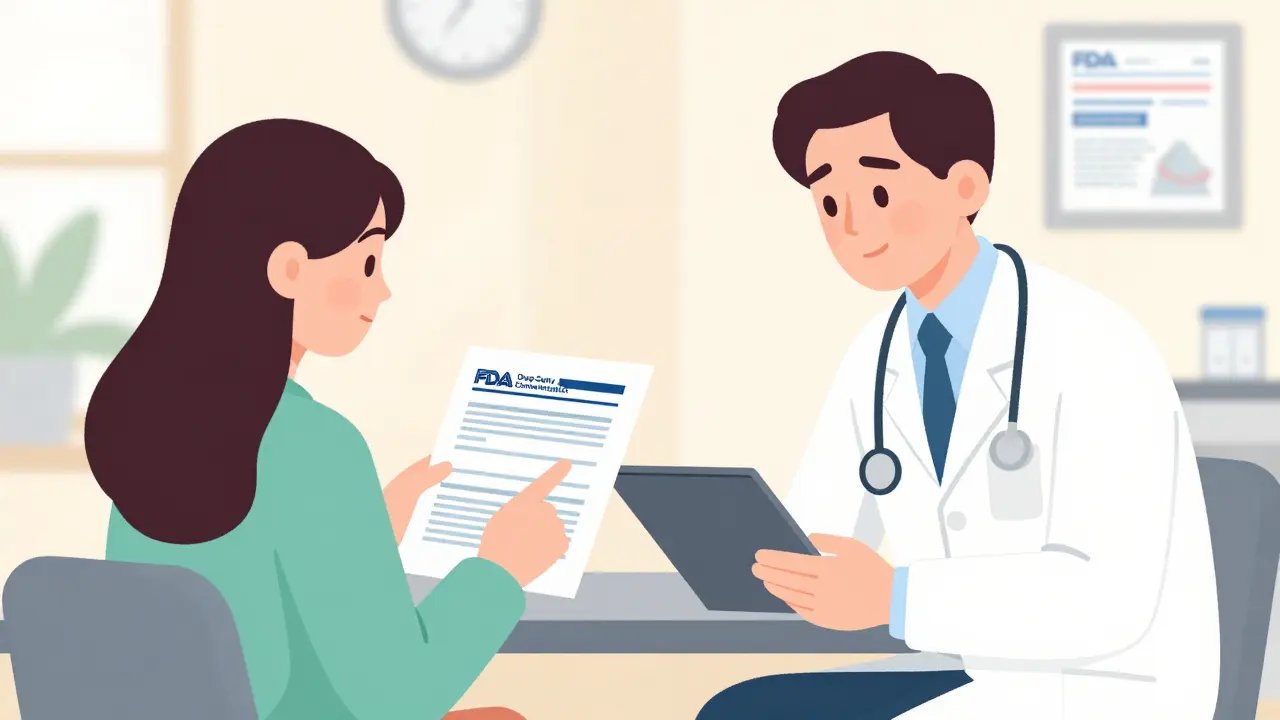
It’s January 2026. You’re on a medication that’s been working fine for months-until you see a headline: "FDA issues safety alert for common blood pressure drug." Your heart skips. Is this about yours? Should you stop taking it? Should you call your doctor right now?
Here’s the truth: you don’t need to panic. But you do need to know how to bring this up in a way that helps, not hinders, your doctor’s ability to keep you safe.
Why Drug Safety Alerts Exist
Drug safety alerts aren’t warnings that your medicine is dangerous. They’re updates. When a medication has been on the market for a while, real-world use uncovers side effects that didn’t show up in clinical trials. Maybe it causes liver issues in people over 70. Maybe it interacts badly with a common supplement. Maybe long-term use increases stroke risk in certain groups.
The U.S. Food and Drug Administration (FDA) tracks over 1.2 million adverse event reports every year. These come from doctors, pharmacists, patients, and drug manufacturers. When patterns emerge-like 50 people reporting the same rare reaction within a few months-the FDA investigates. If the evidence is strong, they issue a Drug Safety Communication.
These aren’t scare tactics. They’re tools. For example, in May 2023, the FDA updated boxed warnings for ADHD stimulants to clarify risks of abuse and overdose. In July 2025, opioid manufacturers were required to revise prescribing guidelines for long-term use. In August 2025, the REMS program for Clozapine was removed because new data showed the benefits outweighed the risks for most patients.
The goal? Help you and your doctor make better decisions-not to scare you off your meds.
How to Find the Real Alert (Not the Rumor)
Google “FDA alert for lisinopril” and you’ll get blogs, YouTube videos, and Facebook posts claiming the drug causes cancer. That’s not the FDA. That’s fear.
Go straight to the source: fda.gov/drugs/drug-safety. Type your medication’s name into the search bar. Look for the official Drug Safety Communication. Check the date. Read the full text.
Here’s what to look for:
- Which specific drug or class is affected?
- What’s the actual risk? (e.g., “increased risk of bleeding in patients over 65”)
- Who does it apply to? (e.g., “patients with kidney disease”)
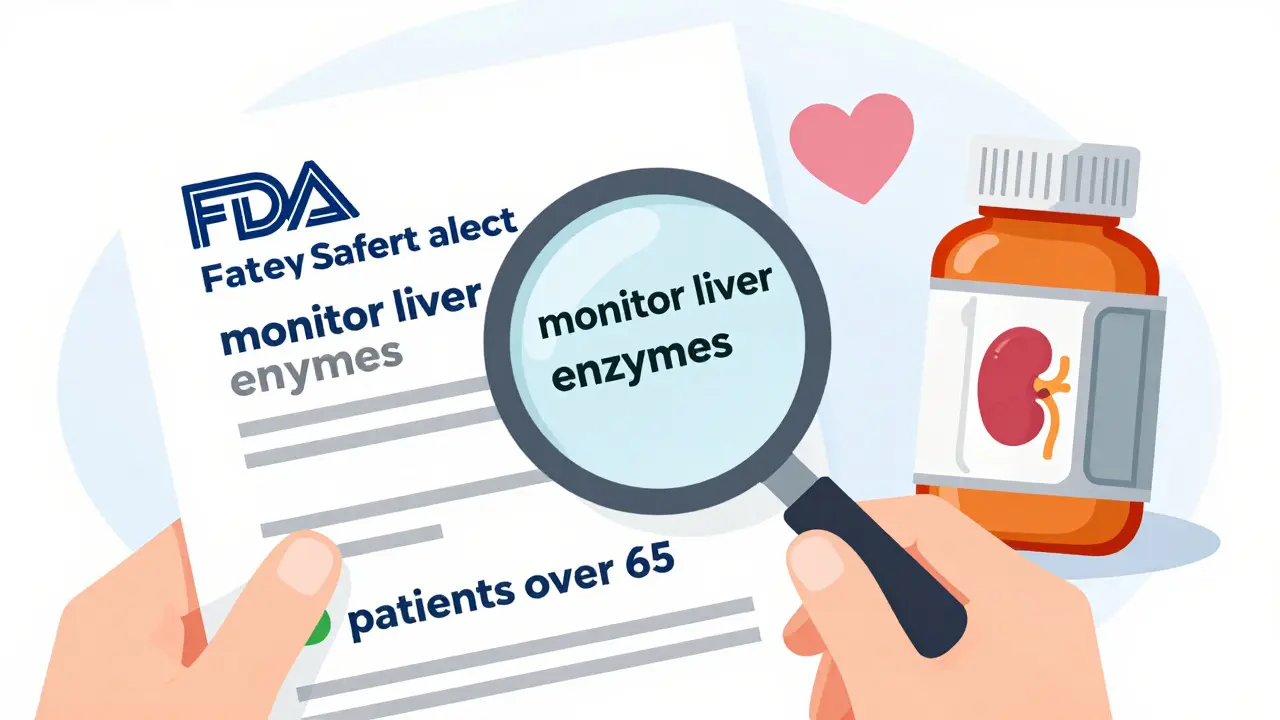
- What’s the recommended action? (e.g., “monitor liver enzymes monthly”)
If the alert says “do not use” or “stop immediately,” that’s rare. Most alerts say “consider alternatives,” “monitor more closely,” or “update prescribing information.”
Bring the printed PDF-not a screenshot, not a link. Your doctor won’t have time to search mid-appointment. Show them the real document. It signals you’ve done your homework.
How to Start the Conversation
Don’t walk in and say: “I read your drug is dangerous.” That puts your doctor on the defensive.
Instead, say: “I saw an FDA safety alert about [medication name] dated [date]. I wanted to understand if it applies to me and what we should do next.”
This opens the door. It’s respectful. It’s collaborative. It shows you’re engaged in your care-not challenging their judgment.
Studies show that patients who phrase it this way are 68% more likely to have a productive conversation. Those who say “I’m stopping this drug” or “This is a scam” are more likely to be dismissed.
What Your Doctor Might Say-and Why
Your doctor might respond in one of three ways:
- “This doesn’t apply to you.” Maybe your age, kidney function, or other meds make the risk negligible. For example, an alert about liver damage might only apply to people taking three or more liver-metabolized drugs. You’re not one of them.
- “We’re already managing this.” Your doctor may have been monitoring for this exact issue. Maybe you get blood tests every three months. Maybe they switched you from a higher-risk drug last year. The alert confirms they’re doing their job.
- “Let’s talk about alternatives.” If the risk is real for you, they’ll suggest options. Maybe a different class of medication. Maybe a lower dose. Maybe more frequent check-ins.
One patient in Bristol shared that her doctor appreciated her alert about her blood pressure med-“It took two minutes. We checked my labs and confirmed I’m fine.” Another patient’s cardiologist dismissed the alert as “alarmist.” The difference? The first patient brought the official FDA document. The second just said, “I saw online it’s bad.”
What to Ask Your Doctor
Don’t just listen. Ask smart questions. Here are five that work:
- “Does this new information change how we should monitor my condition?”
- “Are there alternative medications we should consider based on this?”
- “Do I need any new tests or screenings because of this?”
- “Is this risk higher for me because of my other conditions or meds?”
- “How common is this side effect in people like me?”
These questions shift the conversation from fear to action. They show you’re thinking like a partner, not a patient.
What Not to Do
Don’t:
- Stop your medication without talking to your doctor. Abruptly stopping blood pressure or antidepressant meds can be dangerous.
- Bring social media posts or YouTube videos. They’re often misleading, exaggerated, or outdated.
- Assume the alert means “your drug is unsafe.” Most alerts affect a small subset of users.
- Wait until your next scheduled visit. If the alert mentions sudden risks (like heart rhythm changes), call the office. Say: “I just saw an FDA alert about [drug] and want to know if I should come in sooner.”
Why This Matters More Than Ever
In 2026, the average patient takes 4-5 medications. That’s a lot of interactions. A drug that’s safe alone might become risky with another. The FDA’s alerts are one of the few systems keeping up with this complexity.
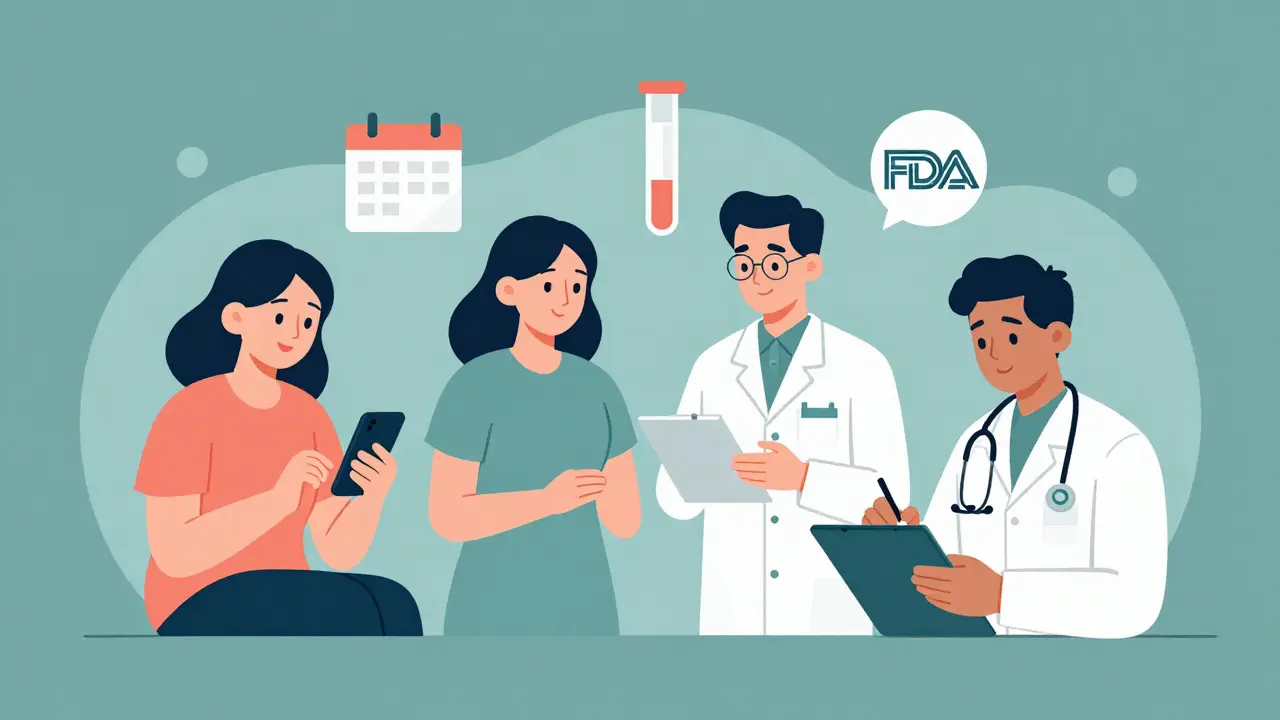
But here’s the catch: doctors are overwhelmed. A 2021 study found only 37% of primary care physicians check for new safety alerts between visits. That’s why your role matters. You’re not just a patient-you’re a safety partner.
When you bring a clear, specific, official alert to your appointment, you’re not adding stress. You’re reducing it. You’re helping your doctor make a better decision faster.
What Happens After the Appointment
After you talk:
- Write down what was agreed on. “Continue current med. Monitor BP weekly. Recheck kidney function in 6 weeks.”
- If a new test or alternative was suggested, ask for a follow-up plan. “Should I schedule a blood test? When?”
- Sign up for FDA email alerts. Go to fda.gov/drugs/drug-safety and click “Subscribe.” Choose your drug category or specialty. You’ll get updates only on what matters to you.
And if you’re still unsure? Call your pharmacist. They’re trained in drug interactions and often have access to the same alerts your doctor does.
Final Thought
Medicines save lives. But they’re not perfect. Drug safety alerts are the system’s way of saying: “We’re still watching. We’re still learning.”
You don’t need to be an expert. You just need to be informed. Bring the facts. Ask the right questions. Trust your doctor’s expertise-but don’t stay silent.
Your health isn’t a passive thing. It’s a conversation. And you’re the most important voice in it.
What should I do if I see a drug safety alert online?
Don’t panic or stop your medication. Go directly to the FDA’s official Drug Safety Communications page at fda.gov/drugs/drug-safety and search for your medication by name. Read the full alert-don’t rely on headlines or social media posts. Print the official PDF and bring it to your doctor. Most alerts don’t mean you need to stop your drug-just that you should check if it applies to your specific situation.
Can my doctor ignore a drug safety alert?
Doctors don’t ignore alerts-they assess them. Many alerts are broad and don’t apply to every patient. For example, an alert about increased bleeding risk might only affect people on blood thinners or over 70. Your doctor considers your age, other medications, lab results, and medical history. If they say the alert doesn’t apply to you, ask why. A good doctor will explain the reasoning based on your personal health profile.
How often do drug safety alerts happen?
The FDA issues dozens of Drug Safety Communications each year. Some affect single drugs; others cover entire classes-like all ADHD stimulants or all opioids. New alerts often come after a drug has been on the market for several years, when real-world use reveals risks not seen in clinical trials. The pace has increased since 2020, with more alerts focused on long-term use, interactions, and vulnerable populations like older adults or pregnant women.
Should I stop taking my medicine if I see an alert?
Never stop a prescribed medication without talking to your doctor first. Stopping suddenly can cause serious side effects-like rebound high blood pressure, withdrawal symptoms, or worsening of your condition. Most alerts don’t say “stop.” They say “monitor,” “consider alternatives,” or “update your dosage.” Your doctor will help you decide if any action is needed.
What if my doctor dismisses the alert?
If your doctor dismisses the alert without explanation, ask for more detail: “Can you help me understand why this doesn’t apply to me?” If they still refuse to engage, consider getting a second opinion or asking for a referral to a specialist. You have the right to understand the risks and benefits of your treatment. A good doctor will welcome your questions-not shut them down.
Can I sign up for alerts about my specific medications?
Yes. Go to the FDA’s Drug Safety Communications page and click “Subscribe.” You can sign up for email alerts by drug class (like “antidepressants”) or by specific drug name. You’ll only get updates about what you choose. This is a simple way to stay informed without scrolling through news sites or social media.
 Medications
Bradford Beardall
January 10, 2026 AT 14:24I’ve been on lisinopril for six years and saw that alert last month. Went straight to the FDA page, printed it out, and brought it to my doc. She checked my labs and said I’m in the clear-no changes needed. Best part? She actually thanked me for being proactive. Turns out most docs are drowning in paperwork and appreciate when you show up with facts, not panic.
McCarthy Halverson
January 11, 2026 AT 05:00Don’t stop meds. Always check the source. Print the alert. Show your doctor. That’s it.
Jake Kelly
January 11, 2026 AT 19:37My mom used to freak out every time she saw a headline about her meds. I taught her to go straight to fda.gov. Now she prints the alerts and brings them to appointments. She says it makes her feel like she’s actually part of the team. Small change, big difference.
Ashlee Montgomery
January 12, 2026 AT 16:14It’s funny how we treat medical information like it’s a news cycle when it’s actually a personal health journey. The FDA doesn’t issue alerts to scare us. They do it because they care enough to keep updating the record. Maybe the real issue isn’t the drugs-it’s that we’ve outsourced our health to headlines instead of conversations.
Jay Amparo
January 13, 2026 AT 11:15Bro I was skeptical at first but after I started printing the FDA PDFs and walking into my appointments like I had a treasure map instead of a panic attack? My doc started actually listening. Like he’d say ‘Oh you brought the 2025 update on ARBs?’ and then we’d go deep into my kidney numbers. It felt like I finally had a seat at the table. Also I told my uncle in Delhi about this and now he does the same thing for his diabetes meds. Global health hack right here.
Lisa Cozad
January 13, 2026 AT 23:18I used to just Google my meds and end up on Reddit threads screaming about cancer. Then I found out my pharmacist gets the same FDA alerts as my doctor. So now I call them first. They explain it in plain English, tell me if it’s relevant, and sometimes even print the alert for me. Best $0 I’ve ever spent.
Ian Cheung
January 15, 2026 AT 00:35My doctor told me last year that 80% of the alerts he sees from patients are wrong because they read the headline and not the fine print. I started printing the actual PDFs and now he keeps them in my file. He says it saves him ten minutes every visit. I didn’t even realize I was doing him a favor. Turns out being informed isn’t just for you-it helps the whole system work better.
Jake Nunez
January 15, 2026 AT 19:04Man I used to ignore these alerts until my buddy’s dad had a stroke because he stopped his blood pressure med cold turkey after some YouTube video. Now I print every alert I see. I don’t even read the comments anymore. Just go to the source. Simple. No drama.
Christine Milne
January 16, 2026 AT 03:47While I appreciate the sentiment expressed herein, I must respectfully submit that the underlying premise of this article is fundamentally flawed. The FDA is a regulatory body whose primary mandate is not patient safety per se, but rather the preservation of pharmaceutical market integrity under the auspices of the 1938 Food, Drug, and Cosmetic Act. The so-called 'safety alerts' are often reactive, politically influenced, and statistically insignificant when viewed against the broader pharmacovigilance landscape. Furthermore, the recommendation to 'print the PDF' is an anachronistic relic of pre-digital healthcare delivery, and may inadvertently undermine the very digital health infrastructure this administration is attempting to modernize.
Michael Marchio
January 17, 2026 AT 21:30Look, I’ve been in this game for 25 years and I’ve seen every trend come and go. People get scared by headlines, then they stop their meds, then they end up in the ER. The FDA doesn’t issue these alerts lightly, but most of them are for a tiny fraction of patients-like maybe 0.3% of people on a drug. The problem is, patients don’t understand risk stratification. They see ‘increased risk’ and think ‘I’m next.’ Meanwhile, their doctor’s been monitoring them for years and knows their labs, their other meds, their lifestyle. If your doctor says it doesn’t apply to you, trust them. But if you’re still unsure? Ask for the data. Not the headline. The actual numbers. That’s what real patient advocacy looks like-not just printing a PDF, but understanding why it matters for you, not someone else.
neeraj maor
January 18, 2026 AT 18:45They’re lying to you. The FDA doesn’t give a damn about you. They’re paid by Big Pharma to keep you on the meds so you keep buying them. That ‘safety alert’? It’s a distraction. They know the real side effects-like dementia, heart failure, depression-but they bury it under 20 pages of jargon. I’ve dug into the clinical trial data. The real risk is 1 in 3, not 1 in 500. They want you to print the PDF so you think you’re doing something. You’re not. You’re being manipulated. Don’t trust the system. Trust yourself. And stop taking the pills.
Ritwik Bose
January 19, 2026 AT 15:28Thank you for this thoughtful and well-structured guide 🙏. In my country, many patients are hesitant to question their doctors due to cultural hierarchy. This approach-bringing official documents, asking specific questions, and framing it as collaboration-is not just effective, it’s revolutionary. I have shared this with my community in India, and several have already begun doing the same. It is a quiet act of empowerment.
Paul Bear
January 19, 2026 AT 23:56While the article appropriately emphasizes source verification, it fails to address the critical issue of pharmacokinetic variance across populations. The FDA’s alerts are often based on aggregated data that does not account for CYP450 polymorphisms, BMI-adjusted dosing, or polypharmacy interactions unique to geriatric cohorts. Moreover, the suggestion to ‘print the PDF’ is operationally inadequate in a digital-first care environment where EHRs are now capable of auto-flagging drug alerts via API integration with the FDA’s Sentinel Initiative. A truly informed patient would not only bring documentation but also request that their provider activate the FDA’s structured product labeling (SPL) feed within their EMR to ensure real-time surveillance. Otherwise, you’re operating in 2015.
lisa Bajram
January 20, 2026 AT 21:46OH MY GOSH YES!! I did this exact thing last month with my antidepressant-printed the FDA alert, walked in like I had the secret code, and my doctor literally gasped and said ‘You’re the first patient who’s ever done this!’ We ended up adjusting my dose and adding a blood test. I felt so seen. And guess what? I told my sister, my coworker, my book club, my yoga instructor, and now half my neighborhood is printing FDA alerts like it’s a cult. We’re basically the Medication Safety Avengers. 🦸♀️💊
Bradford Beardall
January 21, 2026 AT 21:38Just saw someone say ‘don’t trust your doctor if they dismiss the alert.’ That’s not fair. My doc dismissed one last year-but then pulled up my 3-year lab history and showed me why my liver enzymes were fine. He didn’t ignore it. He explained it. That’s what good doctors do. Don’t assume dismissal = negligence. Assume it’s a chance to learn.