

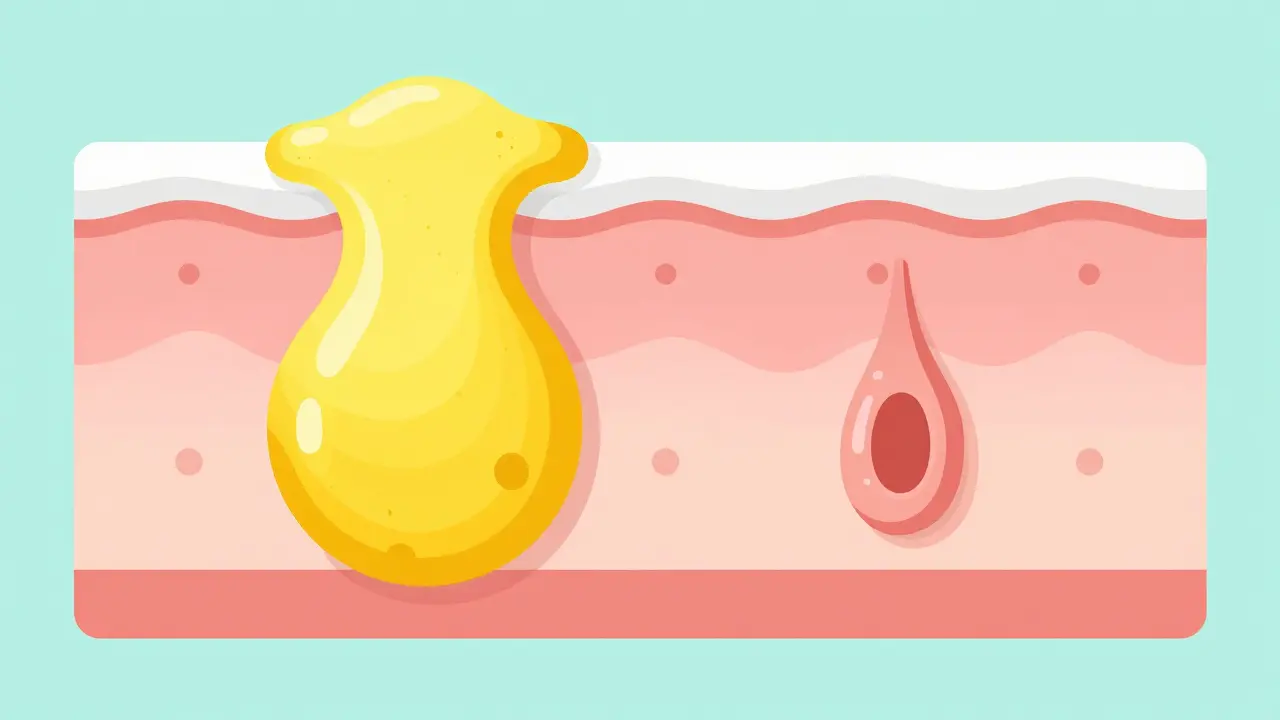
Dealing with severe cystic acne isn't just about the physical breakouts; it's an emotional grind. When topical creams and antibiotics fail, Isotretinoin is a powerful oral retinoid derived from vitamin A that targets the root causes of severe acne. Often known by its original brand name Accutane, this medication is widely considered the gold standard for treatment-resistant skin conditions. While it's incredibly effective-with about 80% of people seeing long-term remission-it's not a casual prescription. Because of its strength, it requires strict medical supervision and regular blood work.
How it Actually Works
Unlike a spot treatment that just dries out a pimple, isotretinoin changes how your skin functions. It primarily works by shrinking the sebaceous glands, which can reduce oil production by up to 90%. When there's no oil, the Cutibacterium acnes bacteria have nothing to feed on, so they stop multiplying. It also stops your skin cells from clogging your pores in the first place.
Think of it as a total reset for your skin's oil production. Because it addresses all four major causes of acne-oil, clogged pores, bacteria, and inflammation-it's often the only thing that works for nodular acne that has left permanent scars.
The Safety Protocol and iPLEDGE
The most critical safety concern with isotretinoin is its risk of causing severe birth defects. Because of this, the FDA mandates a strict risk management program called iPLEDGE. This isn't just paperwork; it's a mandatory system that ensures no one becomes pregnant while taking the drug.
If you're a person of childbearing potential, the process is rigorous. You'll need two negative pregnancy tests before you even start. Once the treatment begins, you'll need monthly tests and must use two forms of contraception. This continues for one full month after your last dose. While some find the administrative side of iPLEDGE a bit of a headache, it's a necessary safeguard for a drug this potent.
Labs: Why You Need Regular Blood Work
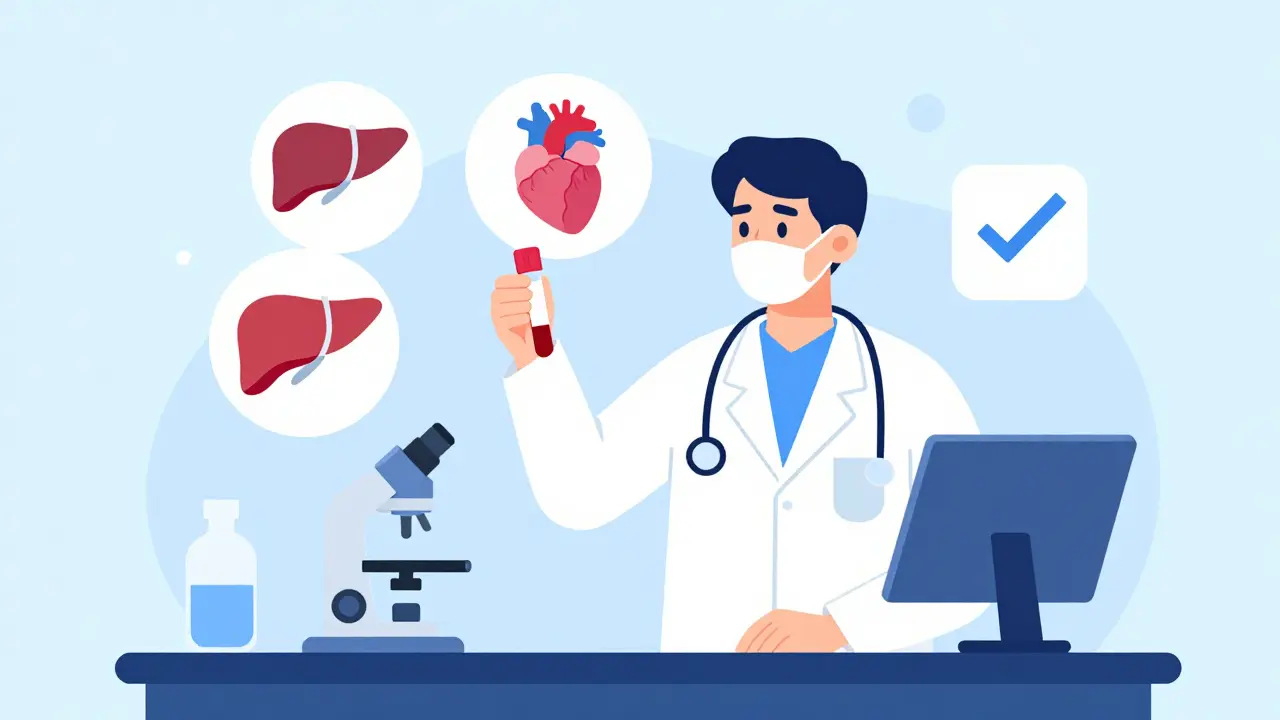
Isotretinoin is processed by your liver and can affect your blood lipids. This is why your dermatologist will insist on baseline and periodic laboratory tests. You aren't just getting a general check-up; they are looking for specific markers to ensure the drug isn't putting too much stress on your organs.
The most common tests include a complete blood count (CBC) to check your overall health, liver function tests (ALT and AST) to ensure your liver is processing the medication safely, and a lipid panel. The lipid panel is crucial because the drug can raise your triglycerides and cholesterol. If these levels spike too high, your doctor might adjust your dose or suggest a low-fat diet.
| Test Type | What it Measures | Frequency | Reason for Monitoring |
|---|---|---|---|
| Liver Function (ALT/AST) | Liver enzymes | Baseline & every 4-8 weeks | Detect potential liver stress |
| Lipid Panel | Triglycerides & Cholesterol | Baseline & periodic | Monitor for high blood fats |
| Pregnancy Test | hCG levels | Monthly (for females) | Prevent severe birth defects |
| CBC | Blood cell counts | Baseline | General health assessment |
Dosing Strategies: High vs. Low Dose
For a long time, the standard was a "cumulative dose" approach. This means taking a specific amount (usually 0.5 to 1.0 mg per kg of body weight) daily for about 5 to 8 months until you hit a total lifetime limit. This method is very effective for preventing the acne from coming back.
However, newer research suggests that low-dose protocols can also work. For example, some patients take a low fixed dose of 20 mg daily for three months. This can lead to a 90% efficacy rate with significantly fewer side effects. The trade-off? Some studies show a slightly higher relapse rate with very low doses compared to the traditional high-dose approach. Your doctor will decide the best route based on whether you have cystic nodules or just persistent moderate acne.
What to Expect: Results and Side Effects
The journey isn't always a straight line to clear skin. In the first few weeks, some people experience a "purge" where acne actually gets worse. This happens because the drug is pushing deep-seated gunk to the surface. It's temporary, but it can be frustrating.
Then comes the dryness. Almost everyone gets it. Cheilitis (severely dry, cracked lips) happens in about 90% of patients. You'll likely find yourself applying petroleum-based lip balm ten times a day. Dry eyes are also common, and some people experience nosebleeds (epistaxis) because the nasal membranes dry out.
The real victory, however, comes around month three or four. As the oil production bottoms out, the inflammation vanishes, and the skin begins to heal. For many, this results in a permanent cure, meaning they never have to deal with severe acne again for the rest of their lives.
Comparing Isotretinoin to Other Options
When you're choosing a treatment, it helps to see how isotretinoin stacks up against the usual suspects. While topical creams or antibiotics can help, they often just manage the symptoms rather than curing the condition.
| Treatment | Estimated Efficacy | Duration of Result | Main Drawback |
|---|---|---|---|
| Isotretinoin | 80-90% | Long-term / Permanent | Strict monitoring, severe dryness |
| Topical Retinoids | 30-40% | Temporary (requires use) | Skin irritation, slow results |
| Oral Antibiotics | 50-60% | Temporary | Antibiotic resistance |
| Hormonal Therapy | 60-70% | Temporary (requires use) | Only for specific demographics |
Practical Tips for Your Treatment Journey
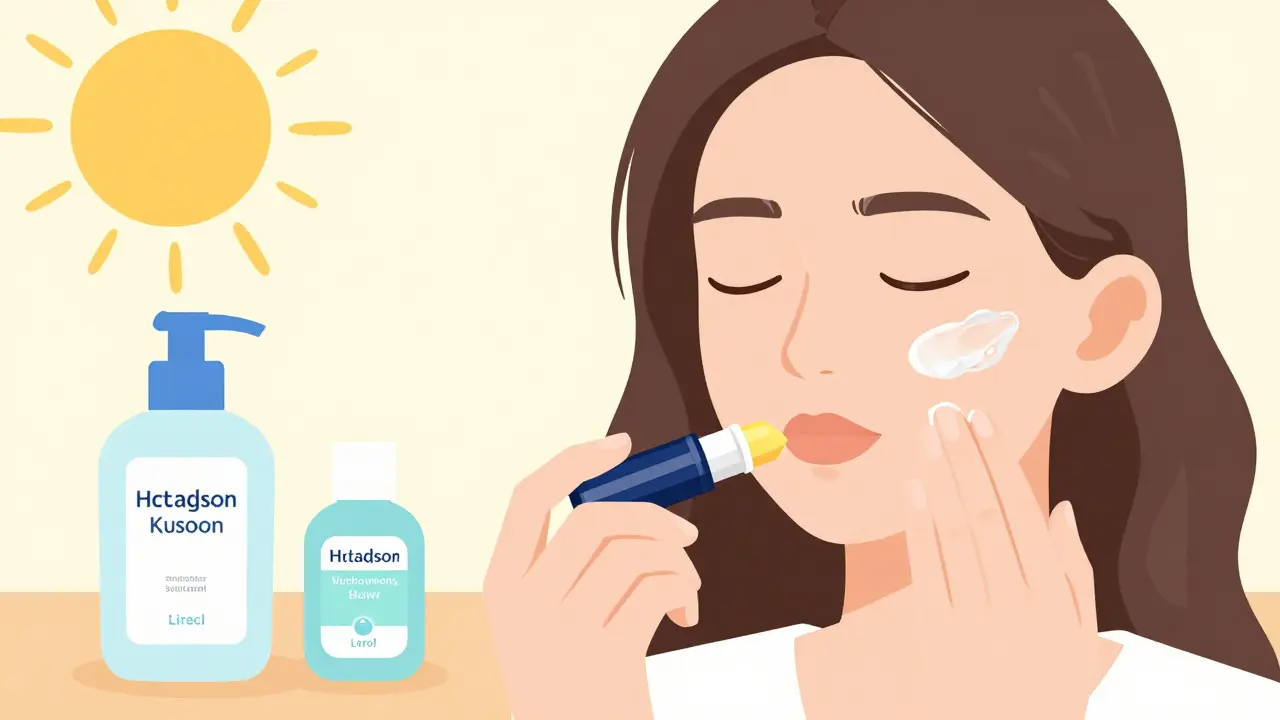
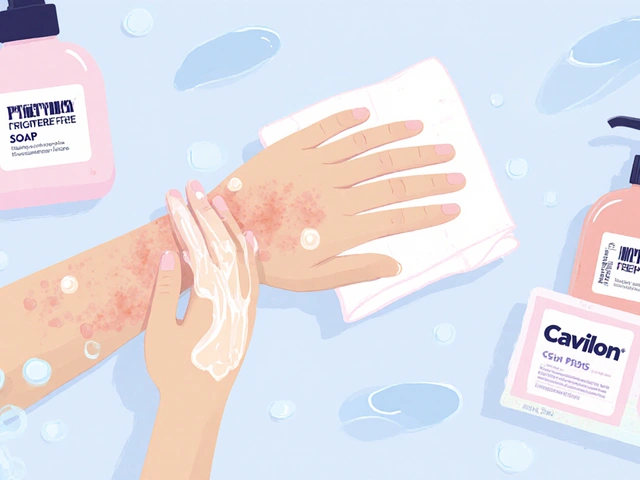
If you're starting this process, a few pro tips can make the experience much smoother. First, invest in a high-quality, fragrance-free moisturizer. Apply it immediately after washing your face to lock in moisture. Use a gentle, non-foaming cleanser-avoid anything with "scrubs" or alcohol, as your skin barrier will be much thinner than usual.
Regarding your eyes, keep lubricant drops (artificial tears) on hand. Even if you don't wear contacts, the dryness can make your eyes feel gritty. Also, be extremely careful with sunscreen. Isotretinoin makes your skin hypersensitive to UV rays, meaning you'll sunburn much faster than you used to. A broad-spectrum SPF 30 or 50 is non-negotiable every single morning.
Lastly, keep an eye on your mood. While rare (affecting about 0.1% of users), some people report feelings of depression. If you notice a significant shift in your mental health, tell your doctor immediately. It's a known potential side effect that needs to be managed professionally.
How long does it take to see results?
Most patients start seeing a noticeable difference between 8 and 12 weeks. However, some experience an initial flare-up in the first month. Real, lasting clearance usually happens toward the end of the standard 5-to-8 month course.
Can I use other acne products while on Isotretinoin?
Generally, no. You should avoid benzoyl peroxide, salicylic acid, and other exfoliating acids. Because the medication dries your skin from the inside out, using these topicals will likely cause severe irritation, peeling, and chemical burns.
Is the acne relapse common after the course ends?
Relapse rates are quite low, especially for those who hit the full cumulative dose (120-150 mg/kg). While some people see a few breakouts return, a huge majority achieve long-term remission. Low-dose regimens have a slightly higher chance of relapse than traditional high-dose courses.
What happens if my liver enzymes go up during treatment?
If your labs show elevated ALT or AST levels, your doctor may choose to lower your dose or pause the medication temporarily. This is exactly why the 4-to-8 week blood tests are required-to catch these changes before they become a health issue.
Can I drink alcohol while taking this medication?
It is generally advised to limit or avoid alcohol. Both alcohol and isotretinoin are processed by the liver, and combining them can increase the risk of liver stress or elevated liver enzymes.
Next Steps and Troubleshooting
If you're still struggling with severe acne, the first step is a consultation with a board-certified dermatologist. They will assess your skin and determine if you're a candidate for this therapy. Be prepared to provide a full medical history, as certain conditions can make the drug risky.
If you've already started and are struggling with joint pain or severe dryness, don't just power through it. Mention it at your next check-up. Sometimes a slight dose reduction can eliminate these side effects without compromising the results. If you find the iPLEDGE portal difficult to navigate, ask your doctor's office for a walk-through; most offices have a specific workflow to help patients get their prescriptions filled on time.
 Medications



Amy Fredericks
April 22, 2026 AT 11:41This is such a helpful breakdown for anyone feeling overwhelmed by their skin journey. It's so important to remember that everyone's body reacts differently, so staying positive and working closely with your derm is the way to go! You've got this!
Mayur Pankhi Saikia
April 24, 2026 AT 09:59The obsession with Western pharamaceuticals is simply... exhausting...!!! One must wonder why these "gold standards" are blindly followed without acknowledging the holistic failuures of modern medicine...!!! Purely reductive logic...
Chidi Prosper
April 26, 2026 AT 03:02Spot on with the lipid panel mention. I've seen too many people ignore the blood work part and then wonder why they feel sluggish halfway through the course. Strict adherence to the lab schedule is the only way to do this safely.
Caroline Duvoe
April 28, 2026 AT 00:22been through this 🙄 the dry lips are literally the worst part lol 💄
Mike Arrant
April 28, 2026 AT 04:19You're probably underestimating the joint pain. If you're taking this and not supplementing with Omega-3s, you're basically asking for your knees to lock up. Most people just blindly follow the doctor without actually optimizing their supplement stack to offset the drug's damage.
Saptatshi Biswas
April 28, 2026 AT 23:18It is absolutely preposterous that the medical community treats this as a miracle cure while ignoring the systemic failure of skincare access in developing nations! The arrogance of centering the FDA's iPLEDGE as the peak of safety protocols is laughably naive when you consider the broader global health disparity. We are analyzing a luxury of the West while millions suffer without basic dermatological care. The sheer inefficiency of this administrative nightmare is a testament to bureaucratic bloat, not actual patient safety. Why should a patient endure a portal that crashes every five minutes just to receive a pill that dries out their internal organs? This entire system is a facade of care masking a profit-driven machine that prioritizes liability over actual human wellness. I find it insulting that we celebrate a 80% success rate when the cost of entry is a monthly blood draw and a loss of all mucosal moisture. It is a draconian approach to a biological problem. The psychological toll of the "purge" is often glossed over in these sterile guides. We need a total overhaul of how these potent retinoids are distributed and monitored. Only a fool would call this "gold standard" without questioning the silver-plated lies of the pharmaceutical industry. It is an absolute tragedy of modern science!
Anantha Lakshmi
April 29, 2026 AT 17:21Stay strong everyone! ✨ The purge phase is just a temporary hurdle on the way to clear skin. Keep hydrating and keep believing in the process! 💧💪
Emma Cozad
April 29, 2026 AT 19:46iPLEDGE is such a joke lmao. who actually thinks a website from 2005 makes things safer? total waste of time and money 🙄
Sue Stoller
April 30, 2026 AT 02:57Omg yes! Get that SPF 50 and don't forget the lip balm! ☀️ It's a tough road but so worth it in the end! You're all gonna look amazing! 💖✨