

Medications: Quick Guides, Safe Buying Tips & Smart Alternatives
Welcome to the Medications hub on RX2World. Whether you’re hunting for a dosage cheat‑sheet, want to know if a pharmacy is legit, or need a safer drug swap, you’re in the right spot. We keep the language plain, the facts straight, and the advice actionable – no medical jargon, just what matters to you.
What You’ll Find Here
Our posts cover three main needs:
- Dosage & usage guides – like the Tretinoin strength guide that tells you which percentage fits your skin type, or the Piroxicam arthritis guide that walks you through dosing and risks.
- Online buying safety – step‑by‑step checks for sites such as anabolicsfast.lt, Duromine Australia, or generic Zovirax in the UK. Learn how to spot red flags, verify licenses and avoid fake meds.
- Drug alternatives – practical swaps for common prescriptions, from Coumadin alternatives to Metformin options, and even non‑prescription ways to manage conditions like acne or asthma.
Each article is built around real‑world questions: “Can I trust this online pharmacy?” “What’s the right dose for my age?” “Is there a cheaper drug that works just as well?” We answer them with clear steps, short checklists and quick‑read tables.
How to Use This Section
Start with the problem you have. If you need a dosage rule, type the drug name into the search bar and look for the “Guide” tag. If you’re eyeing an online purchase, filter by “Buy Online” – you’ll get articles that walk you through legal requirements, telehealth scripts and price comparisons. When you’re curious about alternatives, check the “Alternatives” label for side‑by‑side pros and cons.
Keep a notebook (or a phone note) handy. Jot down the safe pharmacy checklist: valid license number, clear contact info, secure payment gateway, and a pharmacy address that matches the country’s regulator. Use our dosage calculators to confirm you’re not over‑ or under‑dosing.
Got a specific question that isn’t covered? Drop a comment on the article you’re reading. Our community of readers and health writers often share extra tips and personal experiences that can fill the gaps.
Remember, the information here is for education, not a substitute for professional medical advice. Always talk to your doctor before starting a new medication or switching to an alternative.
Ready to feel confident about your meds? Dive into the articles below, pick the one that matches your need, and take control of your health today.
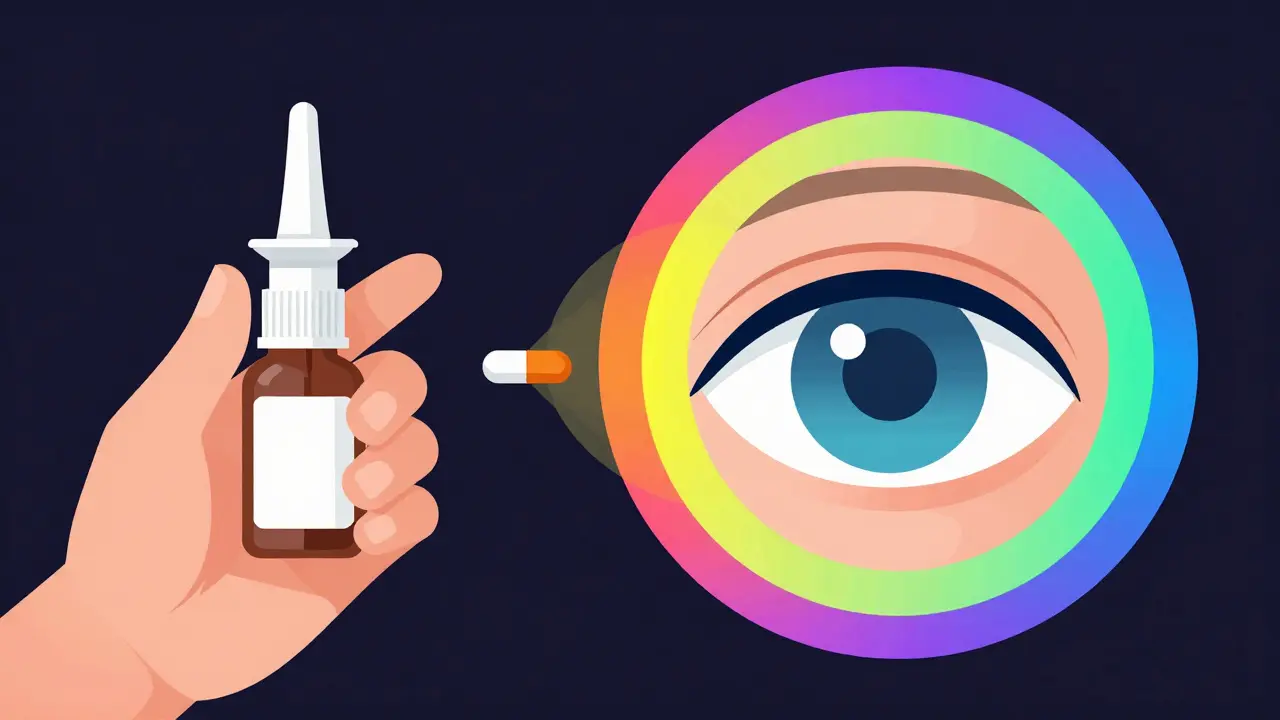
Learn about medication-induced Acute Angle-Closure Glaucoma, a severe eye emergency. Discover high-risk drugs, warning signs, and how to prevent permanent vision loss.
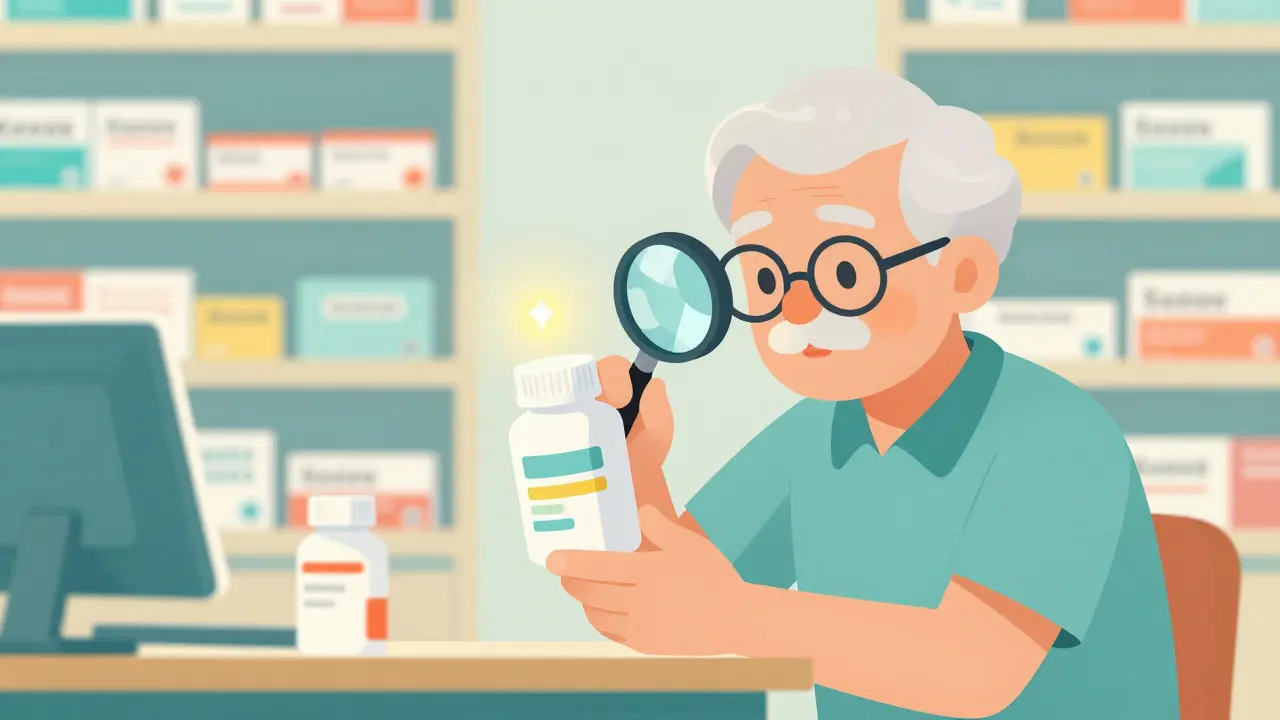
Learn how to verify your name and medication on a prescription label to prevent errors. This guide covers legal requirements, verification steps, and tools for patient safety.
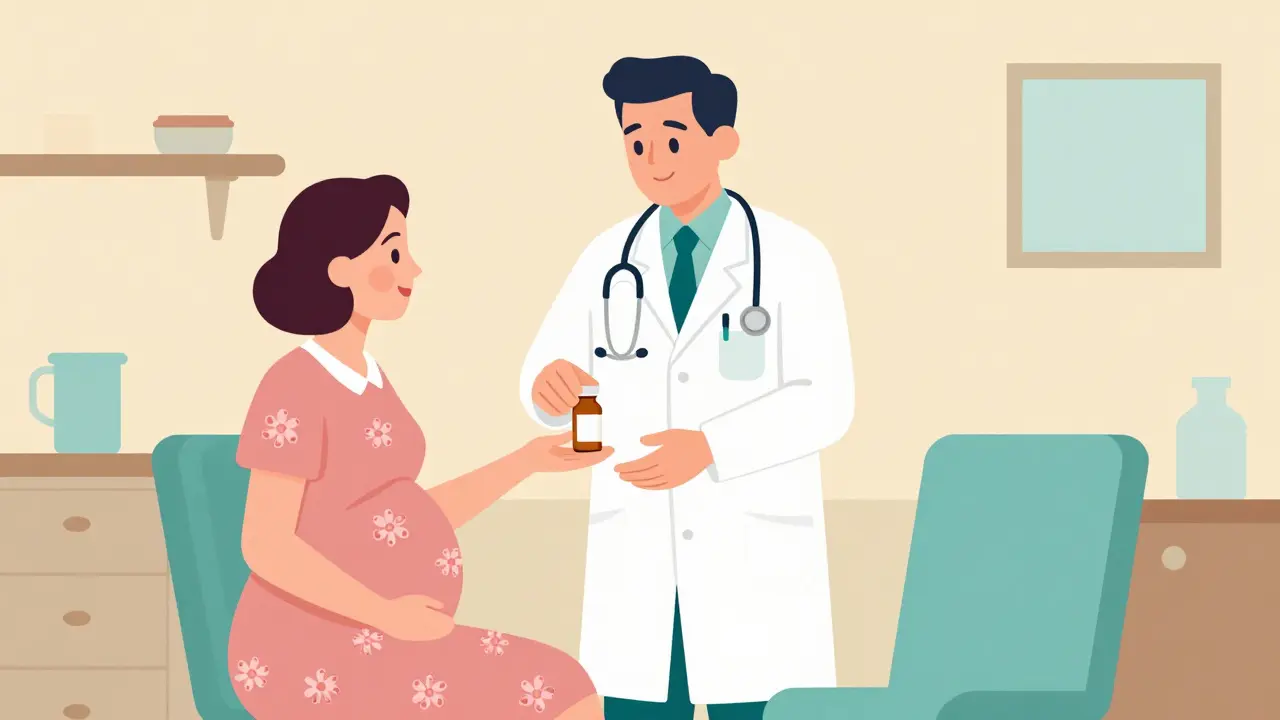
Explore the history of thalidomide, the medical tragedy that reshaped drug safety laws, and how it is used cautiously today for cancer treatment.
Explore what bioequivalence testing really proves regarding generic versus brand-name drugs. Learn how regulatory standards ensure safety and efficacy.
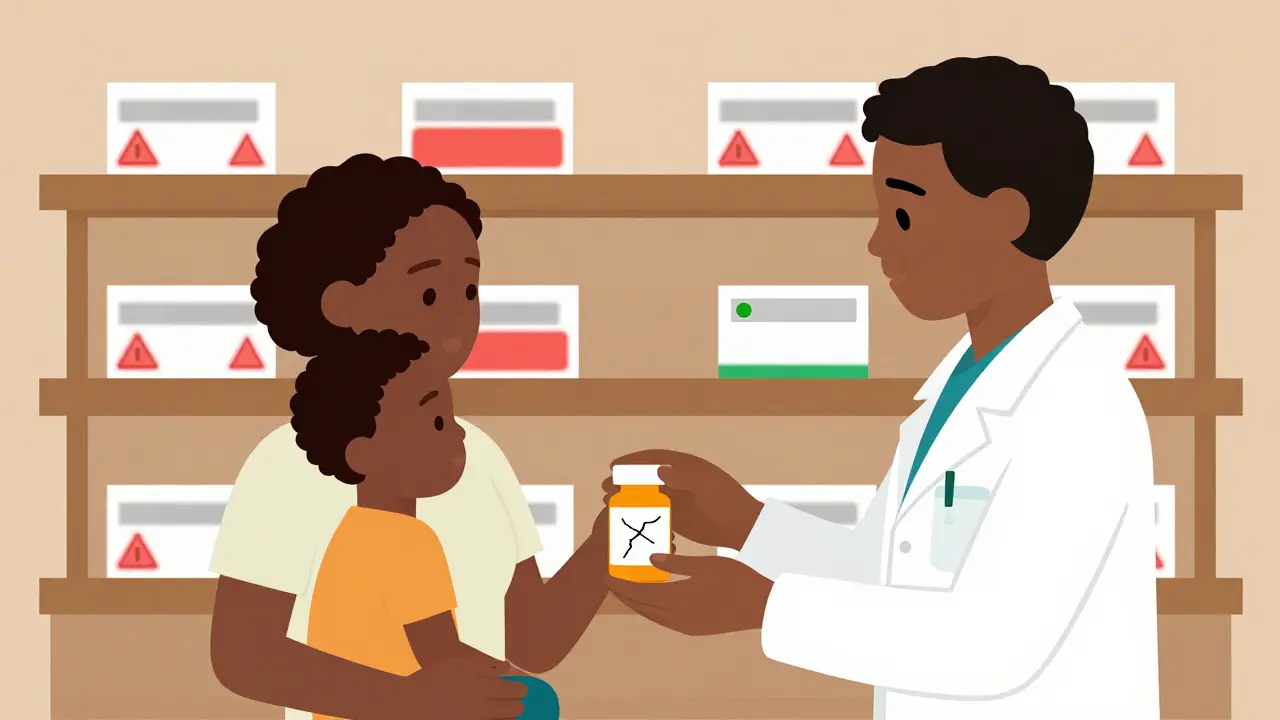
Counterfeit drugs in developing nations kill tens of thousands annually, with fake medicines containing no active ingredients or toxic chemicals. Learn how they spread, why they're so dangerous, and what's being done to stop them.
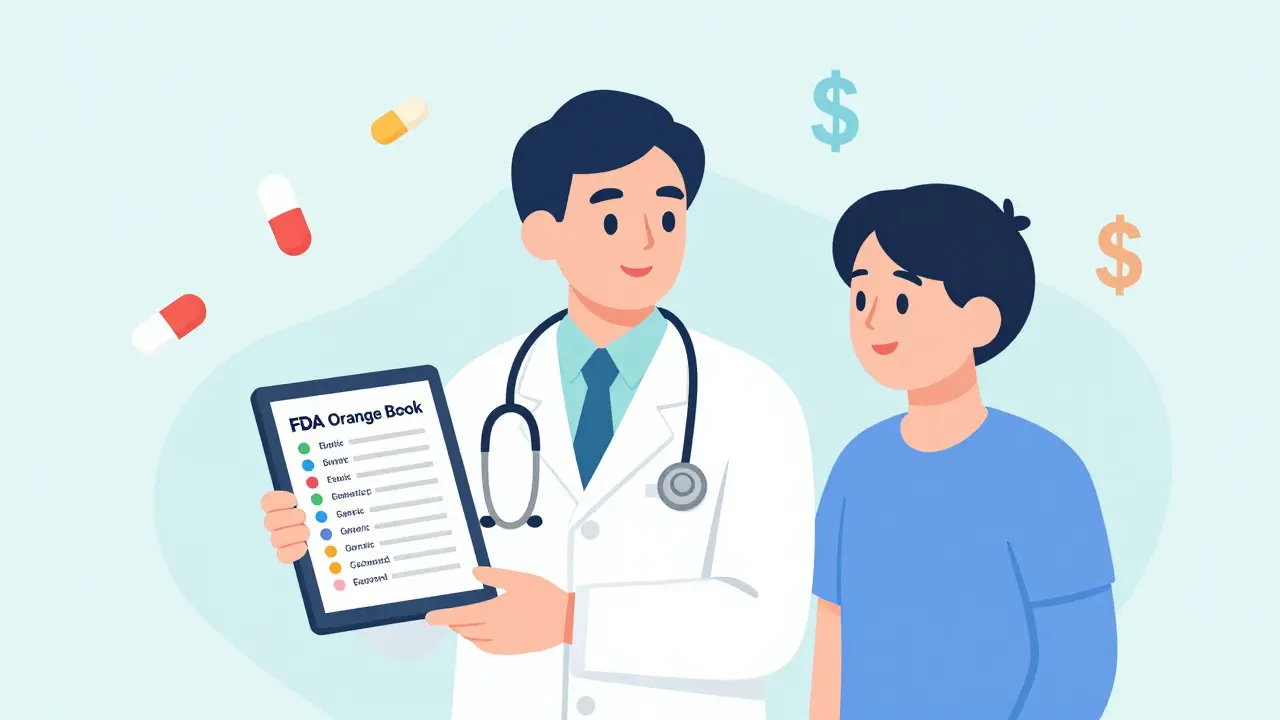
Doctors need ongoing education on generic medications to prescribe safely, improve adherence, and reduce costs. With 90% of prescriptions now generic, CME must evolve beyond checklists to real-world, patient-centered learning.
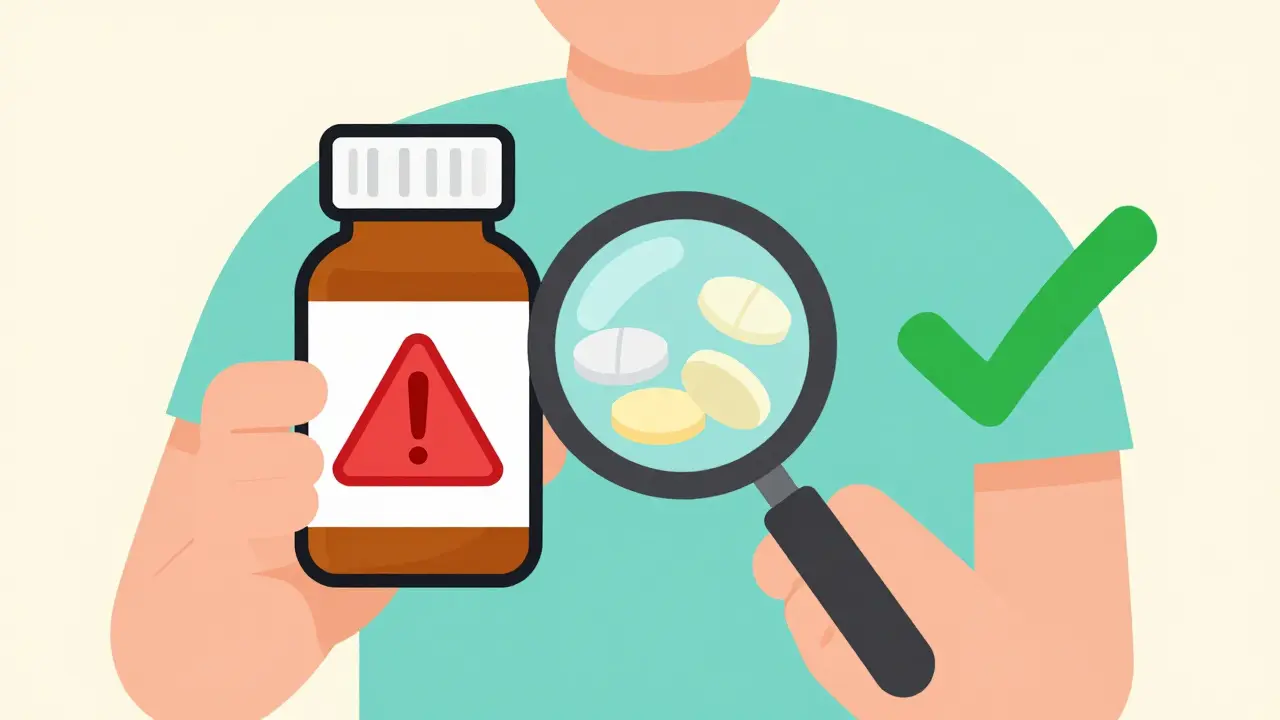
Warfarin users must avoid common OTC cold medications like ibuprofen and aspirin to prevent dangerous bleeding. Learn which ingredients are safe, how to read labels, and what to do when you're sick - backed by clinical data and real patient stories.
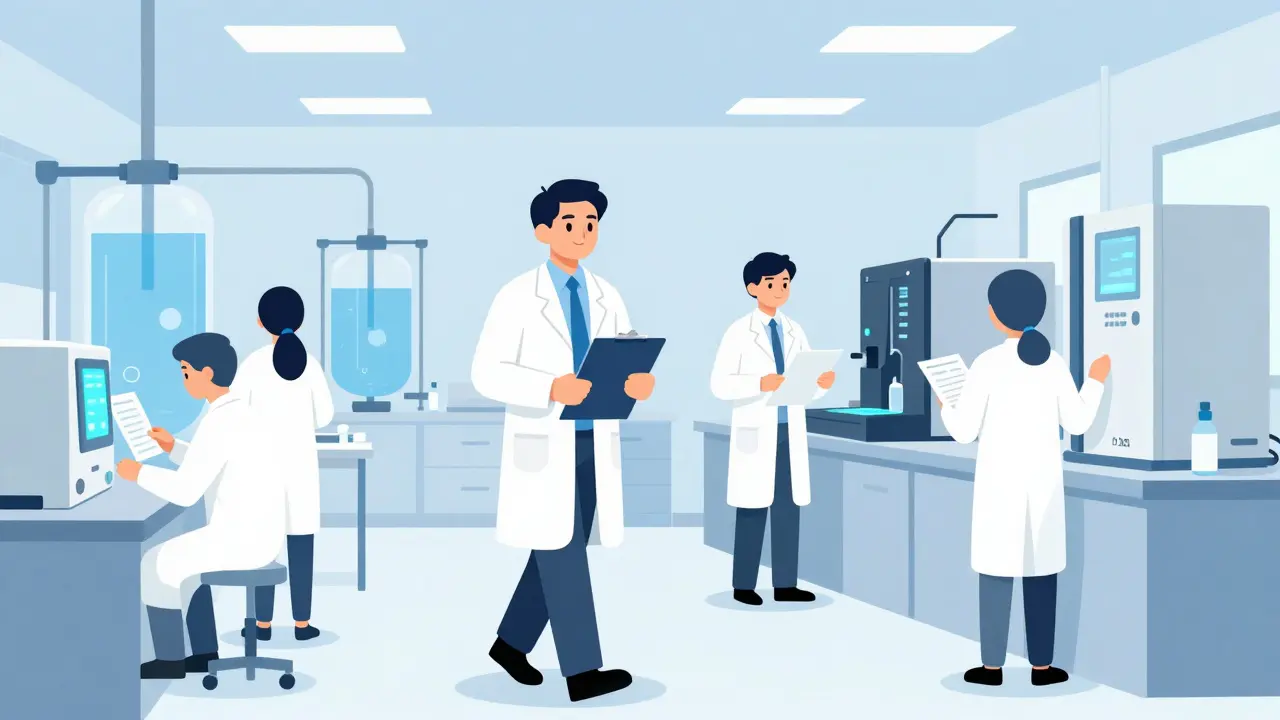
FDA inspections of generic drug manufacturing facilities are routine but rigorous. Learn what inspectors look for, how to prepare, and what happens if issues are found-all based on current 2026 regulations and real-world practices.
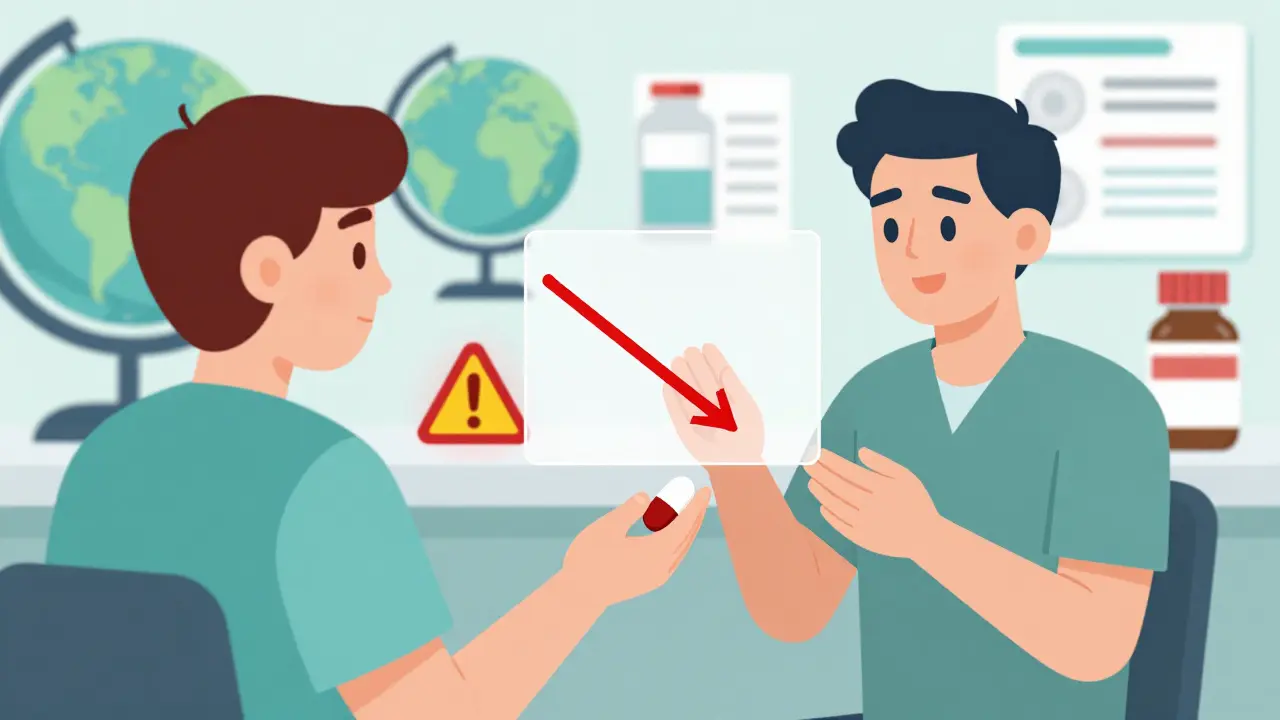
Therapeutic drug monitoring helps protect patients on generic HIV drugs by measuring blood levels to prevent toxicity and treatment failure-especially for protease inhibitors and NNRTIs. Not for all drugs, but critical in high-risk cases.
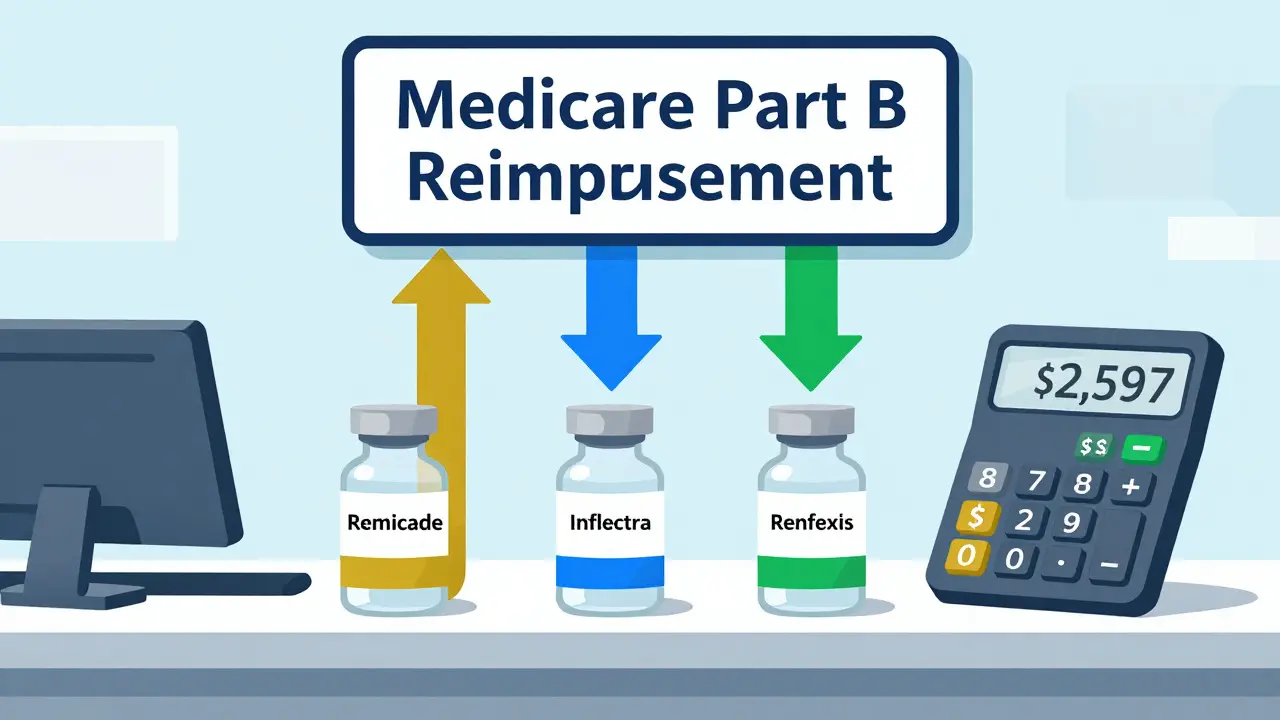
Biosimilars are billed differently than generics under Medicare Part B. Each has its own HCPCS code and payment rate based on its ASP plus 6% of the reference product’s price. This system encourages biosimilar entry but doesn’t strongly incentivize switching. Learn how billing works and why adoption remains low in the U.S.
Categories
 Medications
Archives
Recent-posts
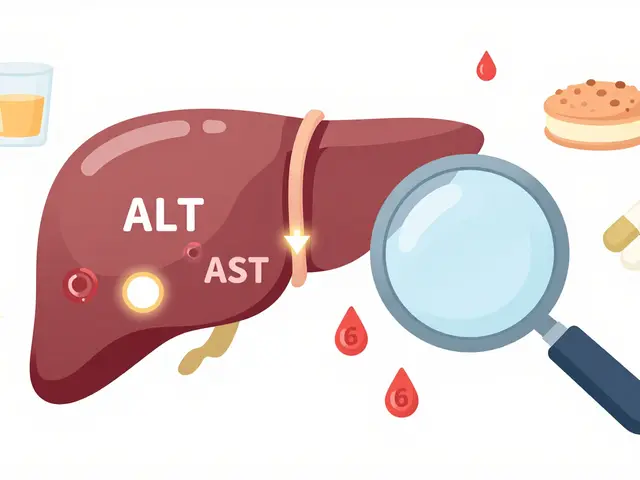
Liver Function Tests Explained: ALT, AST, Bilirubin, and What They Really Mean
Jan, 28 2026

How and Where to Buy Duromine Online in Australia (Legal, Safe, 2025 Guide)
Aug, 23 2025
![Buy Generic Zovirax (Acyclovir) Online Cheap in the UK [2025]: Safe, Legal, and Fast](/uploads/2025/08/thumbnail-buy-generic-zovirax-acyclovir-online-cheap-in-the-uk-2025-safe-legal-and-fast.webp)
Buy Generic Zovirax (Acyclovir) Online Cheap in the UK [2025]: Safe, Legal, and Fast
Aug, 22 2025
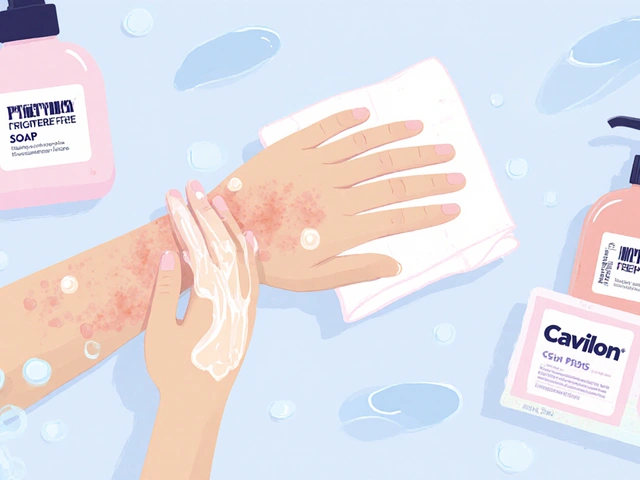
Radiation Side Effects: Skin Care, Fatigue, and Recovery Tips
Nov, 17 2025
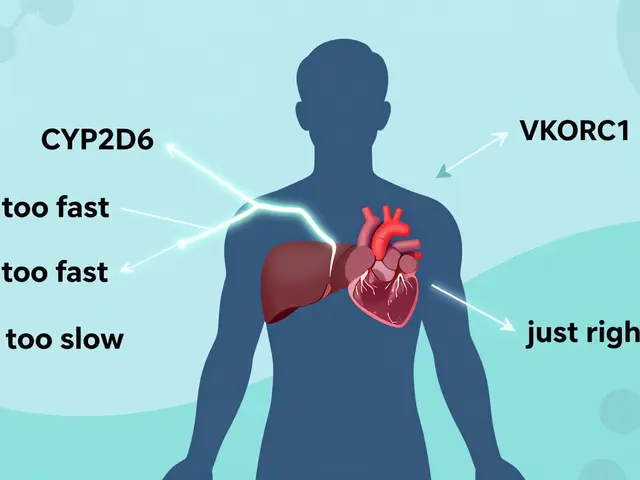
Genetic Factors That Increase Susceptibility to Drug Side Effects
Dec, 20 2025