

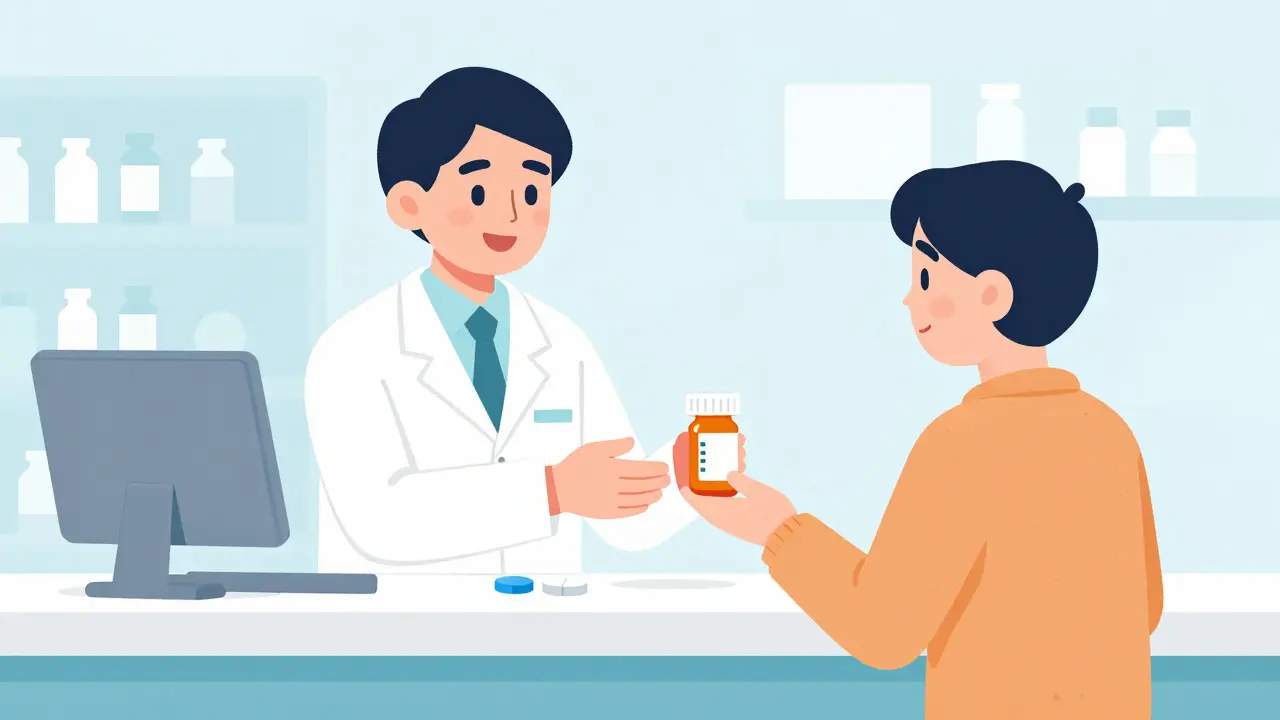
It is a common sight at the pharmacy counter: you're handed a pill that looks different from the one you've taken for years, and the pharmacist tells you it's a "generic version." For many, this sparks an immediate internal debate. Is it actually as strong? Does the lower price mean lower quality? Or perhaps there is a catch we aren't being told about?
The reality is that generic medications are not "cheap imitations" but are scientifically designed to be therapeutic equivalents. In the United States, for instance, generics make up about 90% of all prescriptions dispensed, yet they only account for a fraction of the total spending. If they weren't safe and effective, the healthcare system would have collapsed under the weight of treatment failures long ago. Let's clear up the confusion and look at how these drugs actually work.
| Feature | Brand-Name Drug | Generic Drug |
|---|---|---|
| Active Ingredient | Identical | Identical |
| FDA Approval Process | Full clinical trials (NDA) | Bioequivalence (ANDA) |
| Inactive Ingredients | Specific fillers/colors | May vary (fillers/colors) |
| Cost | Higher (R&D recovery) | Lower (Competitive market) |
What exactly is a generic drug?
When a company creates a new medicine, they get a patent. This gives them the exclusive right to sell that drug for a set number of years to recover the billions they spent on research and development. Once that patent expires, other companies can apply to make the same drug.
Generic Medications is a pharmaceutical product that contains the same active ingredient as a brand-name drug and is designed to produce the same clinical effect in patients. To get these approved, manufacturers use the Abbreviated New Drug Application (or ANDA) process. They don't have to repeat the original massive clinical trials because the safety and efficacy of the molecule have already been proven by the original creator.
The science of "Bioequivalence"
You might wonder if a generic drug is "weaker" because it costs less. This is one of the biggest myths in medicine. The Food and Drug Administration (or FDA) mandates that generics must be bioequivalent to the brand name. This means the active ingredient must be absorbed into the bloodstream at the same rate and to the same extent.
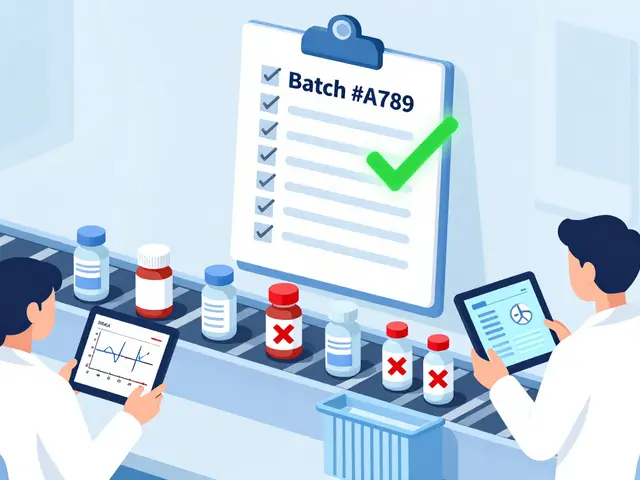
Specifically, the pharmacokinetic profile must fall within a tight window of 80-125% of the brand-name drug's performance. In plain English: the drug has to do the exact same job in your body. If a generic failed to meet these strict standards for quality, strength, and purity, it simply wouldn't be allowed on the shelf.
Why do they look different?
One of the most common reasons patients get nervous is the appearance. "My brand name pill was round and blue, but this one is oval and white." This is perfectly normal. While the active ingredient must be the same, the Excipients-which are the inactive ingredients like binders, fillers, and dyes-can differ. These don't affect how the medicine works, but they change how it looks or tastes. In fact, some people find they prefer a generic because they have a sensitivity to a specific dye used in the brand-name version.

Are there any exceptions?
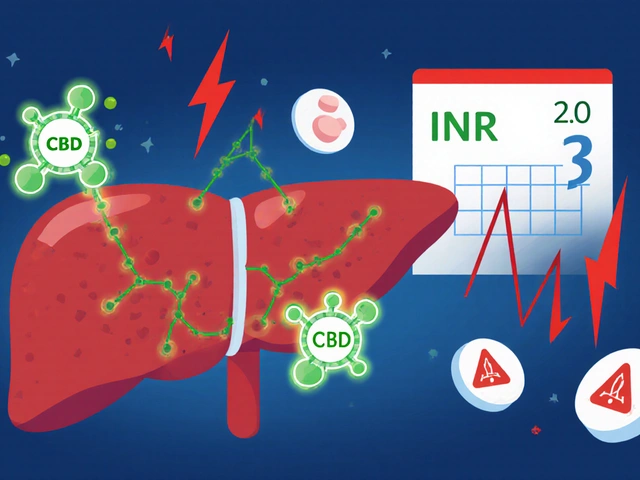
While generics are great for the vast majority of people, there are a few cases where you and your doctor should be more cautious. These are called Narrow Therapeutic Index Drugs. These are medications where the difference between a dose that works and a dose that is toxic is very small.
Common examples include:
- Certain antiseizure medications (like phenytoin)
- Blood thinners (like warfarin)
- Thyroid hormones (like levothyroxine)
For these specific drugs, switching from a brand to a generic (or vice versa) can cause slight fluctuations in how your body responds. If you are taking one of these, your doctor might want to monitor your blood levels more closely for 30 days after a switch to ensure everything stays stable.
Understanding the cost gap
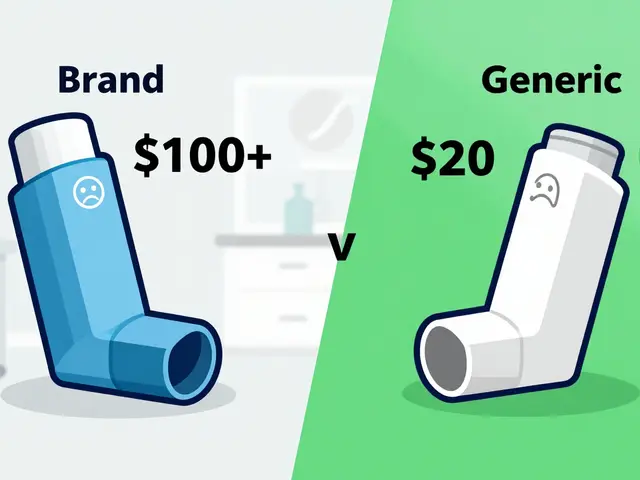
It's easy to assume that a cheaper price equals lower quality, but in the drug world, it's the opposite. The high cost of brand-name drugs isn't about the ingredients; it's about the marketing, the advertising, and the initial research costs. Generics don't have those overheads.
When multiple companies compete to sell the same generic drug, the price drops even further. This competition has saved the healthcare system trillions of dollars over the last decade. Interestingly, about 50% of generics are actually made by the same big pharmaceutical companies that created the original brand-name drug in the first place.

Dealing with side effects and skepticism
Some patients report feeling "different" when they switch to a generic. It is important to distinguish between a drug's side effects and a lack of effectiveness. Every medication-whether brand or generic-has potential side effects. If you experience a headache or dizziness, it's usually a result of the drug's chemistry, not the fact that it's a generic version.
There is also a psychological component. A study in the Journal of General Internal Medicine found that some patients, particularly those from non-Caucasian backgrounds or rural areas, expressed more skepticism about therapeutic equivalence. This often stems from a lack of clear communication from providers. If you feel uneasy, the best move is to have a direct conversation with your pharmacist. They are the frontline experts in medication therapy management and can provide the specific data needed to put your mind at ease.
Are generic drugs just as safe as brand-name drugs?
Yes. The FDA requires generic drugs to have the same active ingredient, strength, quality, and purity as the brand-name version. They must be bioequivalent, meaning they work in the body in the same way and provide the same clinical benefit.
Why is my generic medication a different color or shape?
The active ingredients are identical, but the inactive ingredients (fillers, binders, and dyes) can vary between manufacturers. These inactive components do not change how the medication works, but they can change the appearance of the pill.
Can I ask my doctor to only prescribe brand-name drugs?
Yes, you can. Doctors can write "Do Not Substitute" on a prescription, which legally requires the pharmacist to provide the brand name. However, keep in mind that this may significantly increase your out-of-pocket costs.
Do generic drugs take longer to work?
No. Because they are bioequivalent, generic drugs are designed to be absorbed and act in the body at the same rate as the brand-name equivalent.
Which drugs should I be careful about when switching to generics?
Medications with a "narrow therapeutic index," such as warfarin, levothyroxine, or certain seizure medications, require closer monitoring. Because a small change in dose or absorption can have a big impact, your doctor should supervise the transition.
What to do next
If you're currently taking a brand-name drug and considering a switch, start by checking your insurance formulary to see which generics are covered. If you have a chronic condition, ask your doctor for a 30-day follow-up check after switching to a generic to ensure your response remains stable.
For those who are already on generics and feeling skeptical, keep a simple log of your symptoms for two weeks. If you notice a genuine change in how you feel, bring that log to your pharmacist. They can help you determine if it's a side effect of the medication itself or if a different generic manufacturer might be a better fit for your body's chemistry.
 Medications


Nathan Kreider
April 7, 2026 AT 01:54It's really great to see this info out there. A lot of us just want to feel better without spending a fortune and this helps a lot!
Grace Lottering
April 7, 2026 AT 15:09Big Pharma lies. FDA is bought. Total scam.
Timothy Burroughs
April 9, 2026 AT 12:15typical sheep believing everything the government tells them generics are fine if you're not a weakling but this whole system is a joke compared to how we used to do things in the real america
Kathleen Painter
April 11, 2026 AT 07:32I've always felt that we should approach these medical transitions with a bit more patience and grace because everyone's body chemistry is just so uniquely different and complex that a one-size-fits-all approach rarely works in the long run. While the science says they are the same, the lived experience of a patient often tells a more nuanced story about how fillers can actually trigger a response in someone who is highly sensitive, which is why I always suggest keeping a detailed journal of your reactions when switching. It's not about doubting the FDA but about honoring the specific way your own body interacts with different chemical compounds over time, and being a mentor to others in this journey means reminding them that it's okay to advocate for their own well-being even if it means going back to a brand name for a while until things stabilize.
Victoria Gregory
April 13, 2026 AT 06:31I totally agree with the idea of being patient!!! ✨ It's all about finding what works for your own vibe and health journey 🌸💖
Laurie Iten
April 14, 2026 AT 15:15the concept of bioequivalence is just a way to quantify similarity but the human experience of healing is far more subjective than a percentage window
Nikhil Bhatia
April 15, 2026 AT 04:57meh whatever just buy the cheap one
Dhriti Chhabra
April 16, 2026 AT 23:55It is most beneficial to ensure that patients are provided with comprehensive guidance by their healthcare providers to mitigate any anxiety regarding the efficacy of generic alternatives.
shelley wales
April 17, 2026 AT 19:01I really appreciate the point about narrow therapeutic index drugs. It's so important for people to know they aren't alone in needing extra monitoring, and it's okay to be cautious!