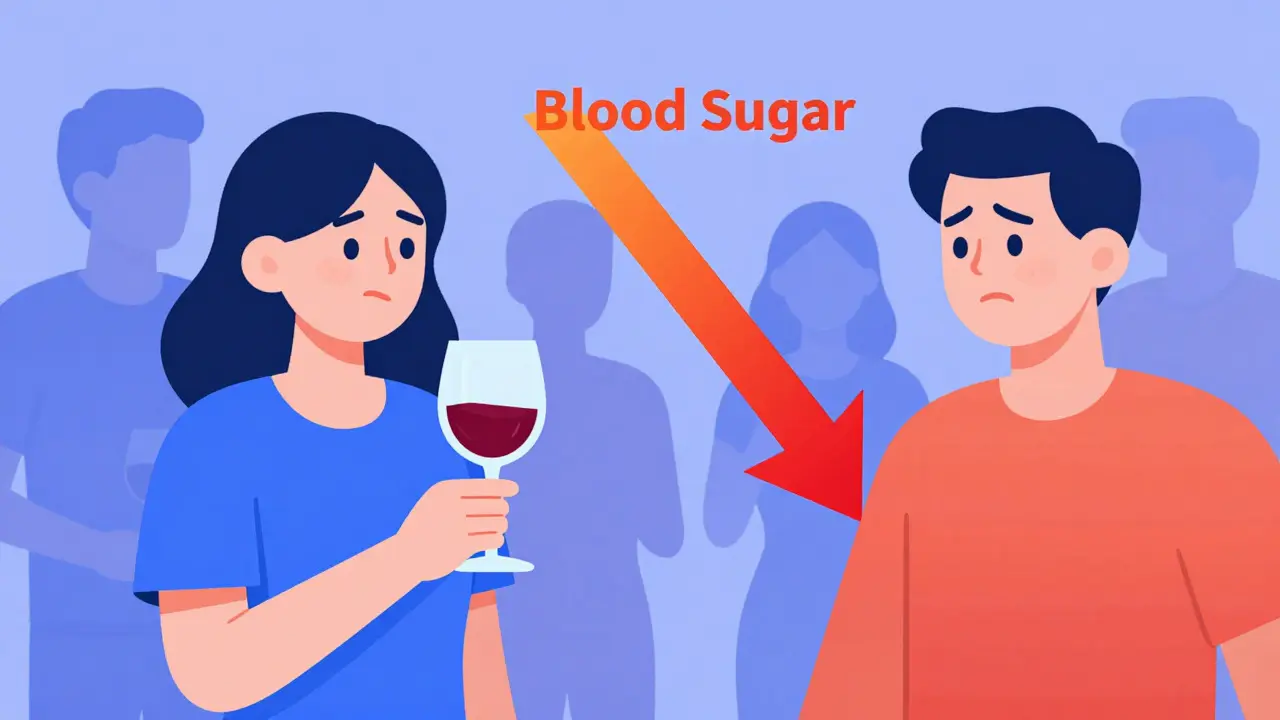
Imagine you’re at a social gathering, holding a glass of wine or a cold beer. For most people, this is a moment of relaxation. But if you have diabetes, a chronic condition affecting how your body processes blood sugar (glucose), that same drink can trigger a dangerous drop in blood glucose levels known as hypoglycemia, a condition where blood sugar falls below normal levels, potentially causing confusion, seizures, or loss of consciousness. The interaction between alcohol and diabetes is complex, often misunderstood, and carries real risks if not managed with precision.
The core issue isn’t just the alcohol itself; it’s what alcohol does to your liver. Your liver normally releases stored glucose into your bloodstream to keep your levels stable, especially when you haven’t eaten for a while. When you drink alcohol, your liver prioritizes breaking down the alcohol because it views it as a toxin. It pauses its job of releasing glucose. If you are taking insulin or certain diabetes medications like sulfonylureas, your blood sugar can plummet without warning. This effect can last up to 12 hours after your last drink, making nighttime hypoglycemia a particularly silent and dangerous threat.
Understanding Standard Drinks and Limits
To manage risk, you first need to know exactly how much alcohol you are consuming. Medical guidelines rely on the concept of a "standard drink," but bar servings often exceed these measurements significantly. According to data from WebMD, a leading online health information resource providing medical advice and drug information and other major health organizations, one standard drink equals:
- 12 ounces (360 mL) of regular beer (5% alcohol content)
- 5 ounces (150 mL) of wine (12% alcohol content)
- 1.5 ounces (45 mL) of 80-proof hard liquor (40% alcohol content)
If you pour yourself a large glass of wine or order a cocktail made with double shots, you might be consuming two or three standard drinks in one go. The general recommendation for adults with diabetes is no more than one drink per day for women and two drinks per day for men. However, Diabetes UK, the largest diabetes charity in the United Kingdom providing support and research funding suggests an alternative weekly limit of no more than 14 units per week, spread over at least three days with several alcohol-free days in between. Sticking to these limits helps prevent the cumulative stress on your liver and reduces the window of hypoglycemia risk.
Choosing the Right Beverage
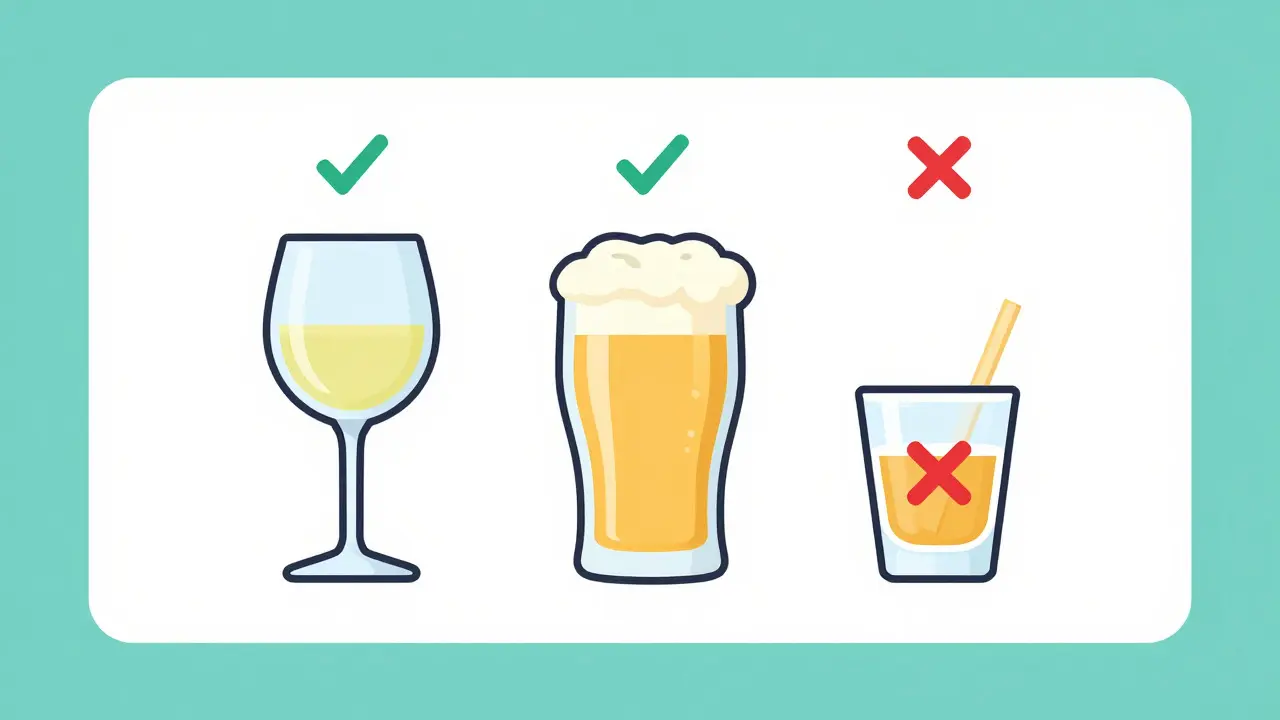
Not all alcoholic beverages affect your blood sugar equally. The carbohydrate content of your drink plays a huge role. Dry wines (red or white), light beers, hard seltzers, and distilled spirits mixed with sugar-free beverages are generally the safest choices. These typically contain minimal carbohydrates, usually between 0-4 grams per serving. In contrast, sweet wines, liqueurs, and cocktails loaded with sugary mixers can spike your blood sugar initially, followed by a sharp crash later. Some margaritas, for example, can contain up to 25 grams of carbohydrates per serving, which poses a substantial risk for hyperglycemia followed by reactive hypoglycemia.
| Beverage Type | Carbohydrate Content (per serving) | Risk Profile |
|---|---|---|
| Dry Wine (Red/White) | 0-4g | Low risk; monitor for delayed hypo |
| Light Beer | 0-4g | Low risk; consistent carb count |
| Hard Seltzer | 0-2g | Very low risk; predictable impact |
| Spirits with Diet Mixer | 0g | Low risk; watch for alcohol-induced hypo |
| Sweet Cocktails/Margaritas | 15-25g+ | High risk; causes spikes and crashes |
| "Diabetic" Low-Sugar Beer | Variable | Moderate risk; often higher alcohol % |
A common misconception involves "diabetic" beers or ciders. While marketed as safer, these products often contain higher alcohol concentrations-typically 2-3% higher than their regular counterparts-to compensate for the lack of sugar. This higher alcohol content can actually elevate your hypoglycemia risk more than a standard beer. Always check the label for both carbohydrate content and alcohol percentage.
The Critical Role of Food and Timing
Drinking on an empty stomach is a recipe for disaster when you have diabetes. The rule is non-negotiable: always consume alcohol with food. Specifically, aim for a meal containing 15-30 grams of carbohydrates. This provides a buffer of glucose in your system, helping to stabilize your levels while your liver is busy metabolizing the alcohol. Eating slowly alongside your drinks also helps moderate the absorption rate of both alcohol and carbohydrates.
Timing matters just as much as food. Avoid drinking alcohol within two hours before or after exercise. Physical activity increases your muscles' uptake of glucose, and when combined with alcohol’s inhibition of liver glucose production, the risk of hypoglycemia skyrockets by approximately 40%. If you plan to drink, schedule it for a time when you are relatively sedentary, such as during a relaxed dinner, rather than right after a workout or a long walk.
Monitoring Blood Sugar: Before, During, and After
You cannot manage what you do not measure. A strict monitoring protocol is essential for safe drinking. Check your blood glucose immediately before you start drinking. If your level is below 100 mg/dL, eat a small snack to bring it up. If it is above 300 mg/dL, wait until it comes down to a safer range, as high blood sugar combined with alcohol can lead to dehydration and ketoacidosis in some cases.
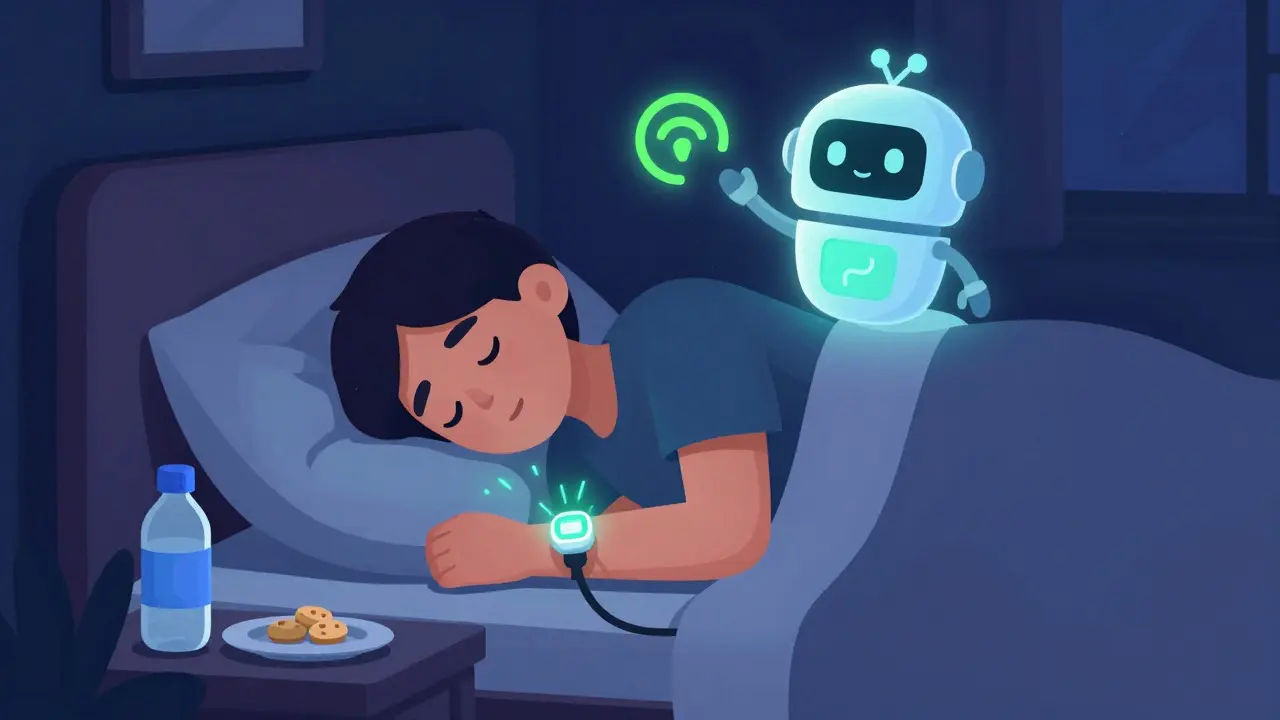
Continue checking every two hours while you are drinking and, crucially, right before you go to bed. The danger zone for alcohol-induced hypoglycemia is often overnight. Because alcohol masks the early symptoms of low blood sugar-such as shakiness, sweating, and rapid heartbeat-it can be difficult for you or others to recognize that your levels are dropping. Dizziness and confusion from intoxication look very similar to hypoglycemia. This overlap is why carrying fast-acting glucose sources, like glucose tablets or juice, is mandatory. Informing your friends about your condition and ensuring they know how to help in an emergency is also vital.
Medication Interactions and Special Considerations
Your diabetes medication regimen dictates how carefully you must drink. Insulin users face the highest risk because insulin lowers blood sugar directly, compounding the liver’s pause in glucose release. Sulfonylureas, a class of oral medications taken by about 30% of people with type 2 diabetes, stimulate insulin production and increase hypoglycemia risk by 50% when combined with alcohol. Metformin users should be cautious of heavy consumption (defined as more than four drinks in two hours), which can increase the risk of lactic acidosis, a rare but serious condition.
Certain conditions make alcohol strictly prohibited. If you have diabetic neuropathy, pancreatitis, or advanced liver disease, alcohol can worsen these complications. Additionally, pregnancy contraindicates all alcohol use regardless of diabetes status. Always consult your healthcare provider to understand how your specific medications and health history interact with alcohol.
Technological Advances in Safety
Technology is beginning to offer new layers of protection. Continuous Glucose Monitors (CGMs) like the Dexcom G7 now include algorithms that provide real-time hypoglycemia risk scoring during alcohol consumption. Early clinical trials suggest these tools can reduce severe events by alerting users to downward trends before they become critical. As guidelines evolve, we may see more personalized thresholds based on individual CGM data rather than fixed numbers, acknowledging that everyone’s metabolism responds differently to alcohol.
How long does alcohol affect blood sugar?
Alcohol can inhibit your liver's ability to release glucose for up to 12 hours after consumption. This means the risk of hypoglycemia persists well into the next day, especially if you drank late at night. Monitoring your blood sugar before bed and upon waking is crucial.
What is the safest alcohol to drink with diabetes?
The safest options are those with low carbohydrate content, such as dry red or white wine, light beer, hard seltzers, and spirits mixed with zero-calorie mixers like club soda or diet tonic. Avoid sweet cocktails, liqueurs, and regular beers with high carb counts.
Can alcohol mask hypoglycemia symptoms?
Yes, alcohol can mask the typical signs of low blood sugar, such as trembling, sweating, and anxiety. Symptoms of hypoglycemia like dizziness and confusion can be mistaken for drunkenness, delaying necessary treatment. This is why frequent monitoring and informing companions are essential safety steps.
Should I eat carbs before drinking alcohol?
Absolutely. Consuming 15-30 grams of carbohydrates with your meal helps stabilize blood sugar levels. Drinking on an empty stomach significantly increases the risk of hypoglycemia because there is no dietary glucose to counteract the liver's paused glucose production.
Is it safe to drink alcohol if I take metformin?
Moderate drinking is generally safe for most people on metformin, but heavy consumption (more than four drinks in two hours) can increase the risk of lactic acidosis. It is important to stay hydrated and monitor your blood sugar closely. Consult your doctor for personalized advice based on your kidney function and overall health.
 Medications